Teen affirmations should sound like language a teenager could actually use. They work best when they support confidence, self-respect, learning, boundaries, and recovery—not when adults use them to tell teens to ignore stress or “just be positive.”
Give teens room to rewrite a statement until it fits the situation they face. “I can ask one question even if I feel awkward” offers a small, testable next step; “I am always confident” may only make the gap between words and feelings more obvious. Mayobook’s guide to writing believable affirmations shows how to choose language that supports a real action, rather than imposing a slogan.
Positive Affirmations for Teens
- I do not have to have everything figured out yet.
- I can learn without being good at something immediately.
- I can care what people think without letting every opinion control me.
- I can ask for help without being weak.
- I can make a mistake and still respect myself.
- I can choose friends and situations that respect my boundaries.
Affirmations for Confidence and Self-Respect
- I can try before I feel fully confident.
- I do not need universal approval to make a thoughtful choice.
- I can speak up even if my voice shakes.
- I can change my mind when I learn something new.
- I can be proud of progress without pretending I am perfect.
- I can treat myself with the same basic respect I would offer someone I care about.
For a first job, try: “I can be new at something without being bad at it.” For sports, music, art, or performance: “Practice is allowed to look imperfect.” For trying a new club or activity: “I can give myself one chance before deciding I do not belong.”
Affirmations for School, Exams, and Academic Pressure
- A grade describes one performance, not my whole ability.
- I can study the part I do not understand instead of hiding from it.
- I can ask a teacher, parent, tutor, or classmate for help.
- I can focus on the next assignment rather than the whole year at once.
- I can take a useful break and return.
- I can prepare without promising myself a perfect result.
Affirmations for Friendships, Boundaries, and Social Pressure
- I can belong without agreeing to everything.
- I can say no to something that makes me uncomfortable.
- A real friendship can survive honest communication.
- I do not have to chase people who repeatedly disrespect me.
- I can apologize when I am wrong without believing I am a bad person.
- I can step away from online comparison when it is making me feel worse.
For group chats and social media: “I do not have to answer immediately.” “A post does not show someone’s whole life.” “I can mute, unfollow, or step away from content that keeps pulling me into comparison.”
Affirmations for Identity, Independence, and Changing Your Mind
Teen years often involve trying identities, opinions, friendships, styles, interests, and future plans. Useful statements include: “I am allowed to learn more before I decide who I am.” “Changing my mind after new information is not fake.” “I can disagree respectfully with people I care about.” “I do not have to build my entire future from one decision today.”
These statements make room for growth rather than treating identity as a performance that must stay consistent for everyone watching.
Affirmations for Body Image and Comparison Without Forced Positivity
Body-image affirmations do not have to say “I love everything about how I look.” Neutral or respectful language can be more realistic: “My body deserves care even on days I do not like how I look.” “A photo or comment does not define my value.” “I can notice comparison and choose what I keep looking at.” “My body can be more than an appearance project.”
Persistent body-image distress, disordered eating concerns, or severe self-criticism deserve appropriate adult and professional support; affirmations are not treatment.
Affirmations for Mistakes, Rejection, and Starting Again
- I can be embarrassed and still recover.
- I can learn from what happened without replaying it forever.
- Rejection can hurt without proving I am unlikable.
- I can make a repair when I hurt someone.
- I can start again without pretending the past did not happen.
When a Teen Needs More Than an Affirmation
Positive self-talk is not enough for persistent severe distress, bullying, abuse, self-harm concerns, major changes in functioning, or situations where a teen does not feel safe. Those situations call for a trusted adult, qualified professional, school support, health care, or urgent help when appropriate.
Adults should not use affirmations to dismiss a teen’s report of harm. “Think positive” is not a response to bullying, harassment, unsafe relationships, or mental-health symptoms.
How Parents and Teachers Can Introduce Affirmations Without Making Them Awkward
Offer choices instead of requiring a script. Use ordinary language. Connect the statement to the teen’s real goal. Model realistic self-talk yourself: “I am frustrated, but I can slow down and try again.” Avoid making the practice public if the teen finds that embarrassing.
Respect privacy. A teen may prefer a phone note, journal, card, or private phrase rather than a mirror poster. The best affirmation is one the teen can make their own, not one an adult insists they must believe.
If a teenager asks whether the exercise actually works, offer a measured answer rather than a guarantee. Research on structured self-affirmation is not identical to repeating positive slogans, and responses vary. Mayobook’s evidence-focused discussion of whether affirmations work explains that distinction while keeping expectations realistic. A trusted adult’s attention and appropriate professional support matter more than finding the perfect sentence when serious distress is involved.
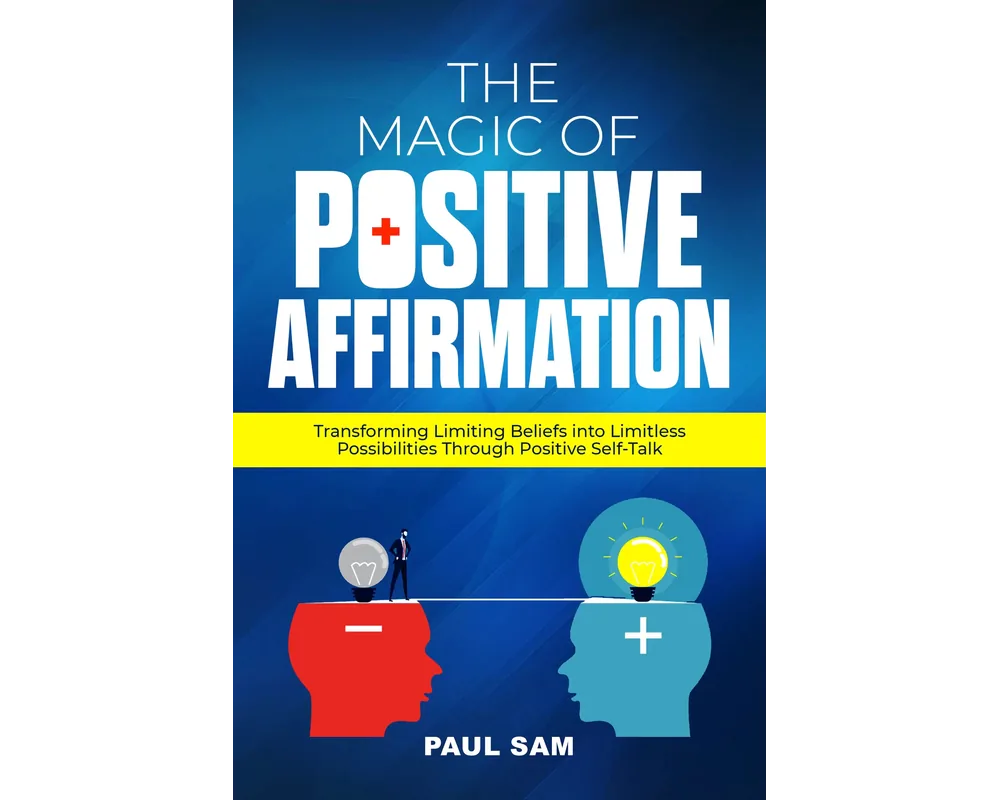
For a broader framework for believable affirmations and limiting-belief work, see Mayobook’s The Magic of Positive Affirmation. You can also explore related resources in Self-Help, Habits & Life Mastery.