Students often use affirmations when they feel overwhelmed, distracted, behind, or afraid of an exam result. The most useful statements do not guarantee an A or pretend stress has vanished. They make the next action easier to see: open the notes, ask for help, return after distraction, prepare one topic, or answer one question at a time.
Positive Affirmations for Students
- I can focus on the next useful task instead of solving the whole semester at once.
- I can learn difficult material in smaller pieces.
- Asking for help is a study skill, not a failure.
- I can prepare carefully without demanding perfection from myself.
- One result gives me information; it does not define my intelligence.
Study and Focus Affirmations
When attention drifts, use wording that guides a behavior: “I can work for the next twenty minutes and then reassess,” “I can put my phone away for one study block,” or “I can return to the page after distraction without wasting energy criticizing myself.”
Affirmations should support a real study method. Retrieval practice, spaced review, practice questions, note organization, sleep, and breaks do more academic work than repeating a sentence by itself.
Exam Affirmations for Preparation and Test-Day Confidence
- I can use what I prepared and work through one question at a time.
- I do not need to know every answer to demonstrate what I know.
- If I feel stuck, I can pause, breathe, and move to the next step.
- My job is to prepare and respond, not to control the final score.
- I can review mistakes after the exam without turning them into a judgment about my worth.
Affirmations for Motivation When You Feel Behind
Being behind can trigger all-or-nothing thinking: “There is too much, so there is no point starting.” Replace that with a smaller claim: “I can choose the highest-priority task and work on it now.” If the workload is genuinely unmanageable, the next step may be contacting an instructor, counselor, tutor, or support office rather than trying to motivate yourself harder.
Comparison can also drain motivation. A useful statement is: “Other people’s pace does not tell me what my next useful step is.”
Affirmations After a Bad Grade or Academic Setback
A disappointing result can hurt without becoming an identity. Try: “This grade is feedback about this performance, not a complete measure of my ability,” or “I can review what went wrong and change my approach.”
Follow the statement with evidence gathering: read comments, compare preparation with the assessment, ask what strong work looked like, and choose one adjustment. Resilience is built through recovery behavior.
How Students Can Use Affirmations Without Turning Them Into Procrastination
Keep the practice short. Read one or two statements, set a study cue, and begin the task within a minute. If you spend more time perfecting affirmations than studying, the practice has stopped serving its purpose.
Written reminders can help at predictable friction points: the laptop lid, notebook, study planner, or test-preparation checklist. The statement should make it easier to start—not become another assignment.
When Academic Stress Needs More Than Positive Self-Talk
Affirmations are not treatment for severe anxiety, depression, panic, burnout, or persistent distress. If stress is affecting sleep, safety, eating, functioning, or the ability to attend school, involve an appropriate adult, school support service, counselor, clinician, or other qualified professional.
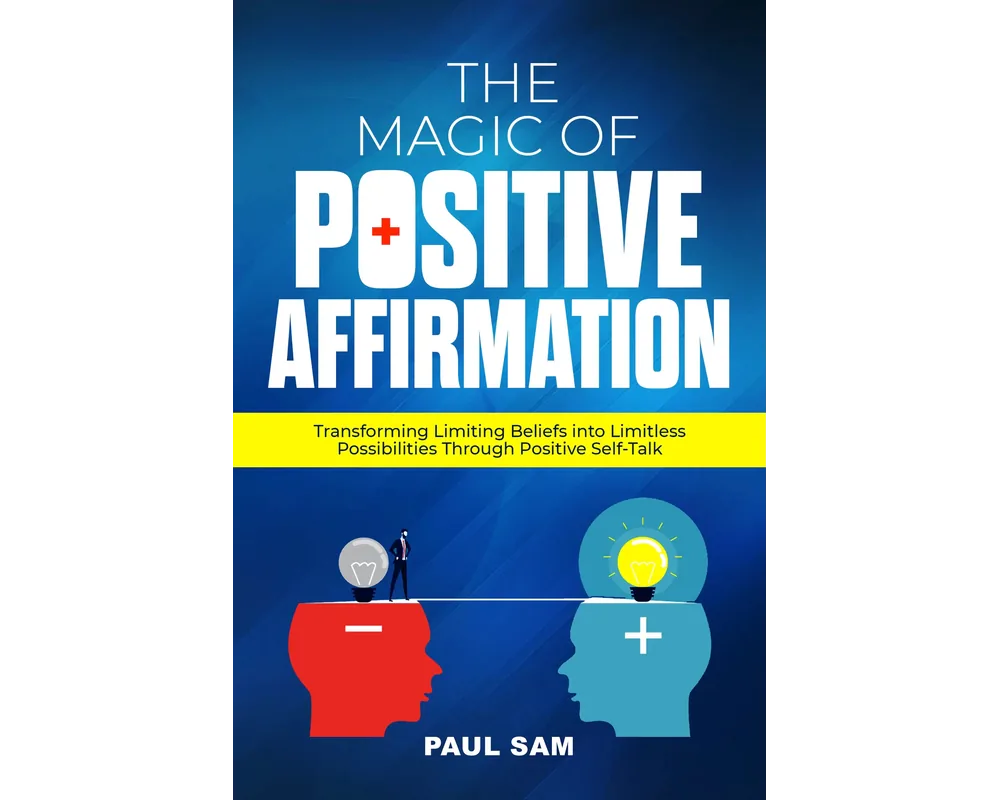
For a broader framework on believable, action-linked affirmations, see Mayobook’s The Magic of Positive Affirmation. You can also explore related resources in Self-Help, Habits & Life Mastery.