Confidence affirmations work best as short cues for action, not as promises that fear will vanish. The goal is to choose language you can believe enough to use, then pair it with the conversation, practice session, application, boundary, or next attempt that actually builds evidence of capability.
Confidence Affirmations That Sound Believable
Start with statements that leave room for reality: “I can speak even if my voice shakes,” “I can make a thoughtful decision without perfect certainty,” and “I can learn from this attempt.” These are often more usable than absolute claims such as “I am fearless” because they focus on capacity rather than perfection.
Choose two or three statements that match situations you actually face. A confidence phrase becomes more meaningful when you can identify the moment you will use it and the behavior it should cue.
Affirmations for Self-Confidence and Self-Trust
- I can make the best decision I can with the information I have.
- I am allowed to ask questions before I decide.
- I can act before I feel completely ready.
- I can trust myself to adjust if new information appears.
- One mistake does not erase what I know or what I can learn.
Affirmations for Self-Worth Without Empty Praise
Self-worth does not need to mean declaring yourself exceptional. Grounded statements can emphasize dignity, values, and boundaries: “My worth is not reduced by one result,” “I can respect myself while receiving feedback,” or “I can say no when something conflicts with my limits.”
This wording is useful when grand claims feel false. It also keeps confidence separate from superiority; strong self-respect can coexist with humility and willingness to learn.
Affirmations for Social Confidence and Speaking Up
- I can take a breath and say the first sentence clearly.
- I do not need a perfect response to have a useful conversation.
- I can ask for clarification instead of pretending I understand.
- An awkward moment is not a verdict on my social ability.
- I can listen well and still express my own view.
Confidence Affirmations After a Mistake or Rejection
After a setback, avoid forcing instant positivity. Name what happened, then choose a statement that supports recovery: “This outcome hurts, and I can still review what I learned,” or “Rejection gives me information; it does not define my entire ability.”
A practical follow-up matters. Review feedback, practice one weak area, send the next application, repair the conversation, or take another appropriate step. Confidence often grows because you discover that you can recover—not because nothing difficult happens.
How to Make Confidence Affirmations More Effective
Use the statement near the behavior it supports. Say it before the meeting, study session, call, presentation, workout, or boundary conversation. Then take the smallest relevant action while the cue is fresh.
Track follow-through rather than mood alone. You may still feel nervous and yet speak clearly, ask the question, or finish the task. That is useful evidence. Revise an affirmation when it becomes stale, exaggerated, or disconnected from what you are practicing.
What Confidence Affirmations Cannot Replace
Affirmations cannot replace preparation, skill-building, feedback, treatment, supportive relationships, or practical opportunities. They also cannot guarantee a promotion, acceptance, relationship outcome, or social approval. Treat them as one tool for constructive self-talk and action.
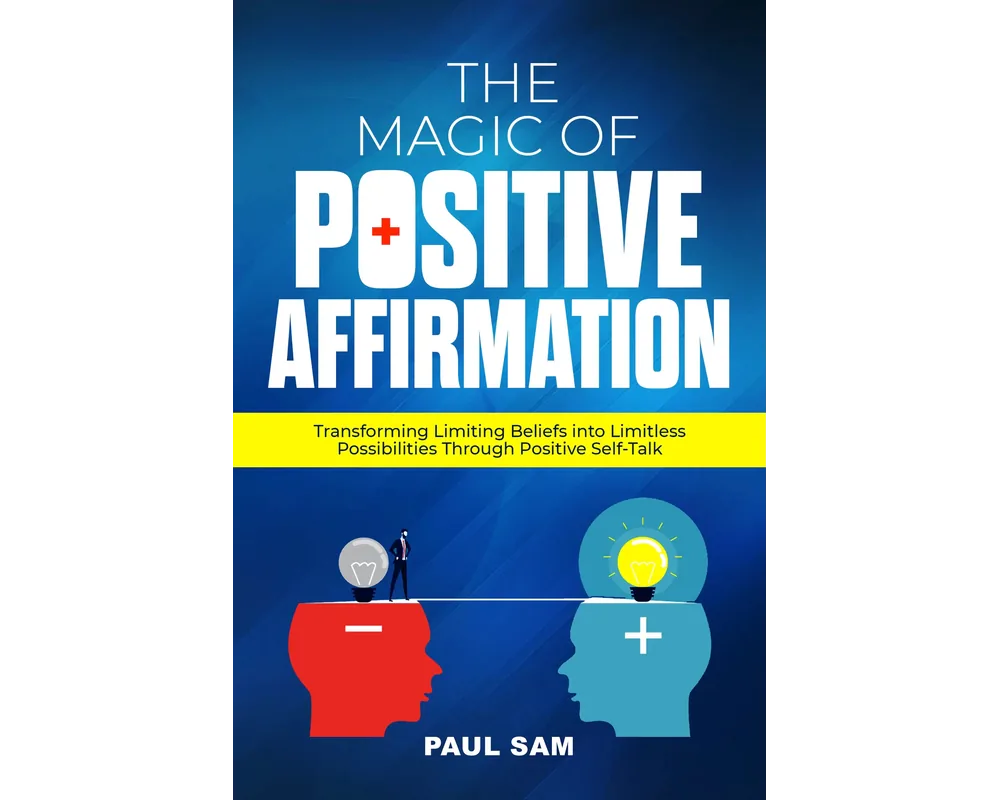
For a broader framework on believable, action-linked affirmations, see Mayobook’s The Magic of Positive Affirmation. You can also explore related resources in Self-Help, Habits & Life Mastery.
For a related resource on rebuilding inner safety and emotional strength after difficult experiences, see Mayobook’s Self Healing Practices.