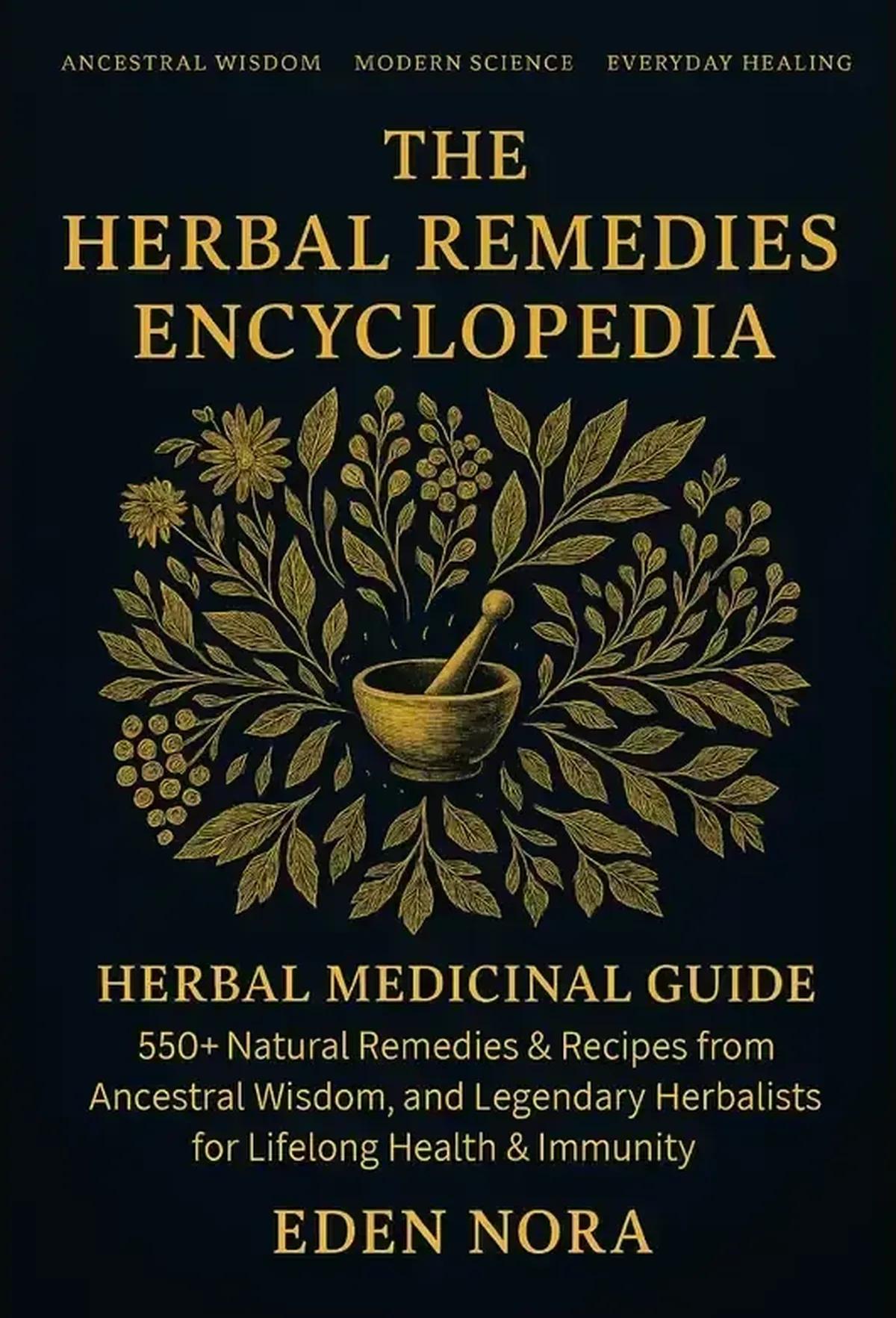
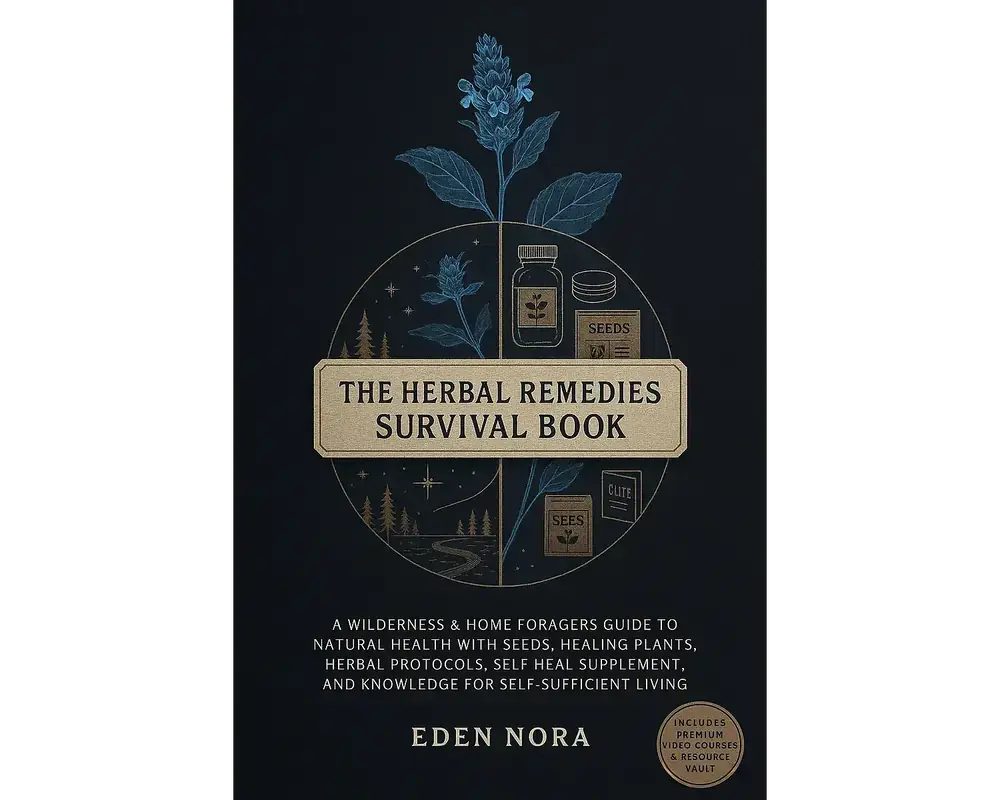
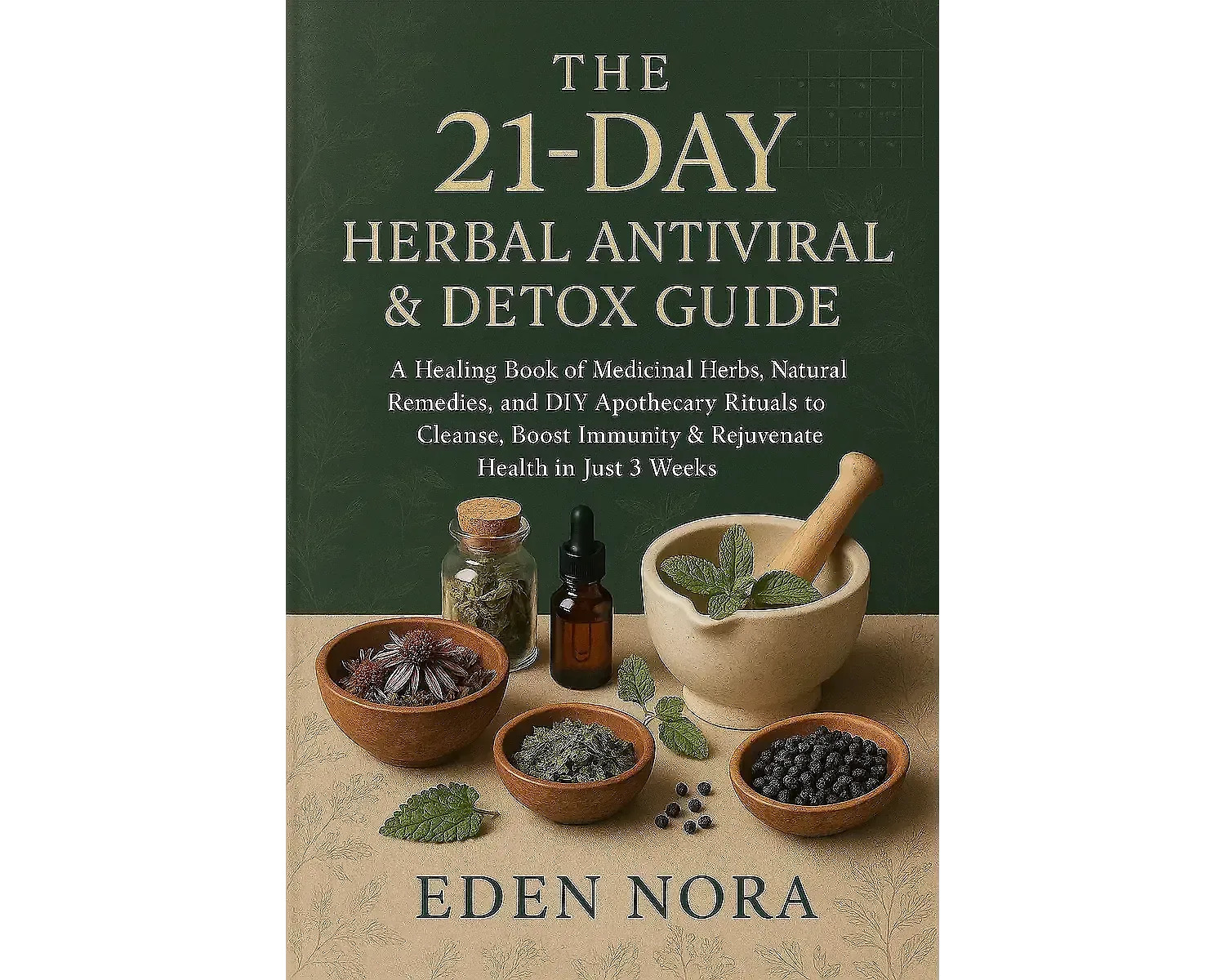
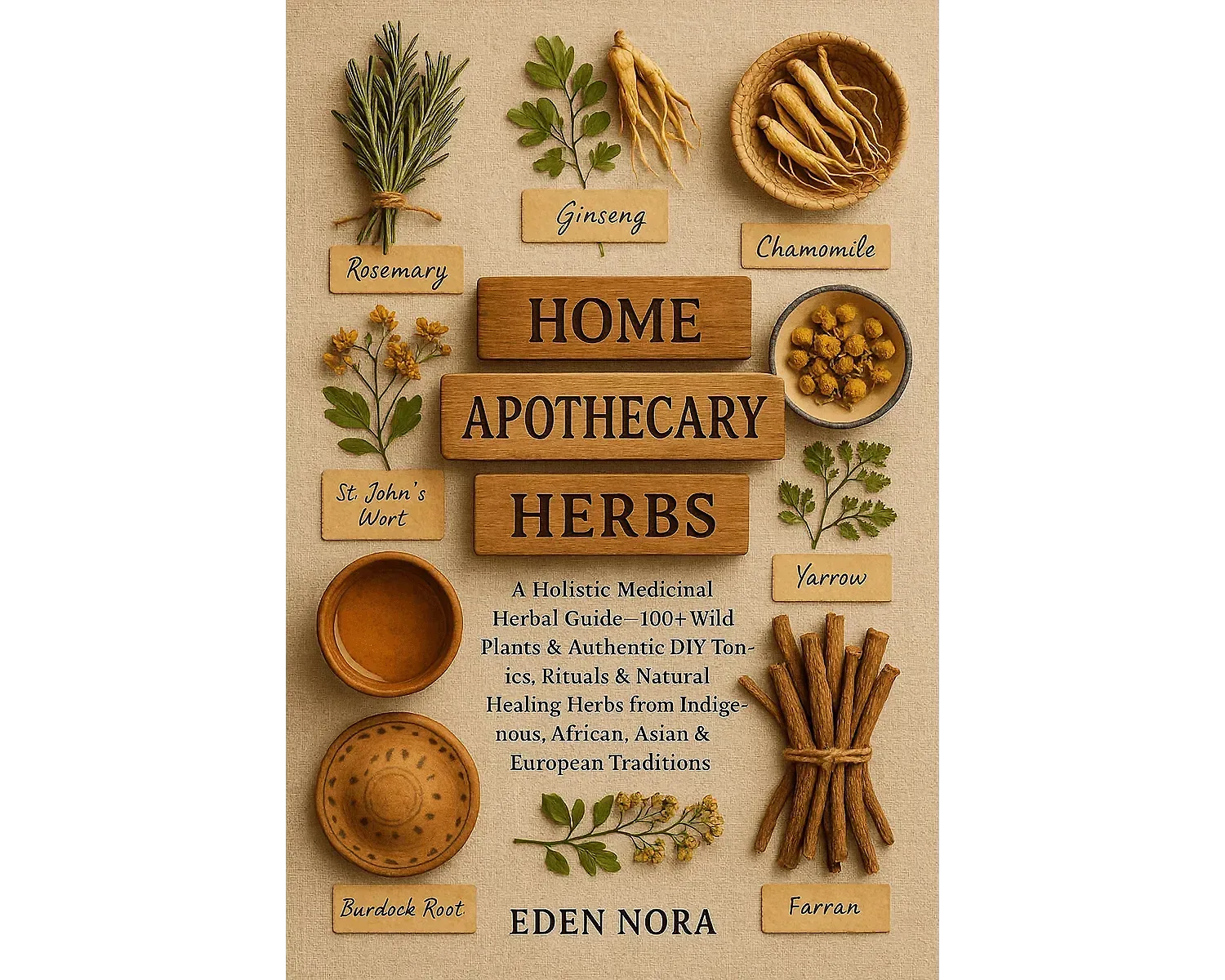
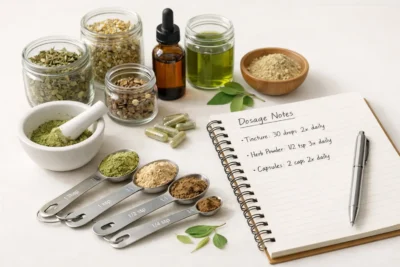
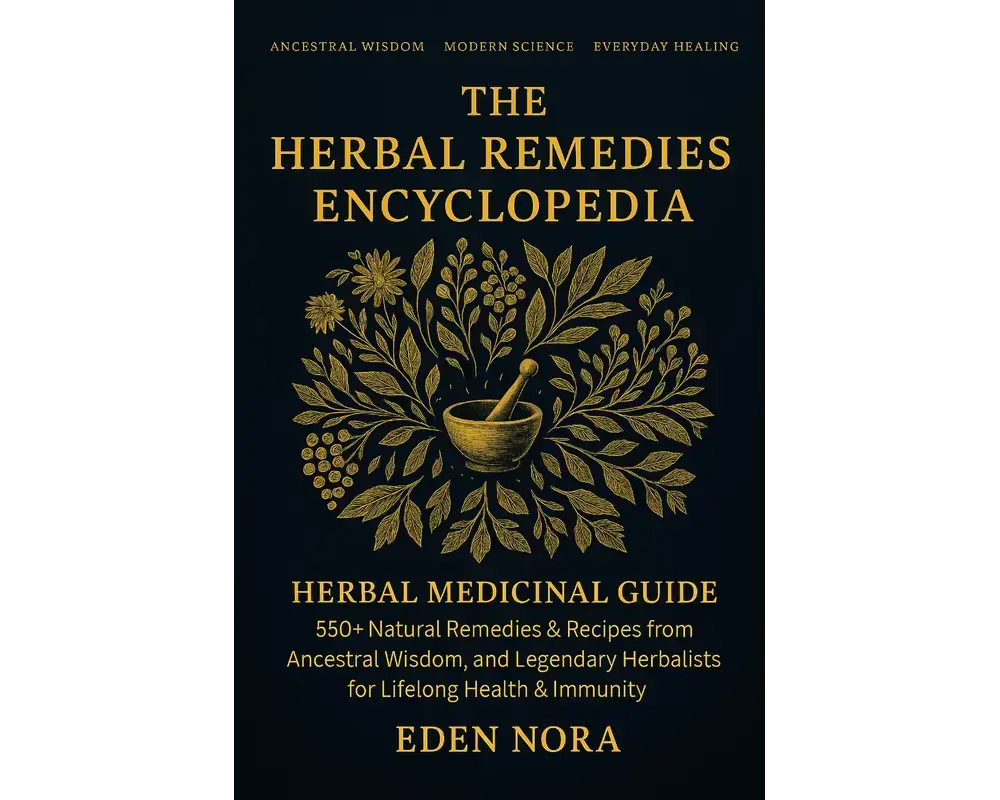
A medicinal plant can have several names, several recorded uses and several ways of being prepared. Those distinctions matter when you want to understand herbal information rather than simply collect remedies. The Herbal Remedies Encyclopedia offers a wide-ranging reference for developing that botanical literacy, bringing together more than 550 stated herbal remedies and recipes.
A reference for the questions plants invite
Readers can explore historical uses, botanical identity, ingredients and preparation formats. The encyclopedia discusses medicinal plants in relation to traditional wellness interests such as digestion, relaxation and seasonal routines. Its breadth makes it useful for investigating unfamiliar terminology and comparing different preparation methods rather than following a single prescribed regimen.
Begin with a plant you want to learn about. Consider which species is described, which plant part is used and whether the preparation is a tea, decoction, tincture, salve or another form. A familiar name alone does not establish that two herbal products are equivalent.
Understand how preparation changes the questions you need to ask
A culinary herb, a concentrated capsule and an essential oil may differ considerably in composition and risk. The book introduces traditional preparation formats and recipe examples, providing a starting point for further investigation. Pay attention to identity, concentration, sourcing and product labeling, rather than assume that familiarity with an ingredient is proof of safety.
Distinguish botanical history from clinical evidence
Traditional use can offer valuable historical context. It cannot, on its own, demonstrate that a preparation treats a condition in humans. Research on a specific extract may not apply to other products or homemade preparations. Use the encyclopedia alongside reputable independent sources when evaluating claims.
For consumer safety guidance, consult the NCCIH guidance on dietary supplements and MedlinePlus information on herbal remedies. These resources explain why herbal products deserve the same care in evaluating benefits, risks and interactions as other health products.
Build a library rather than a list of treatments
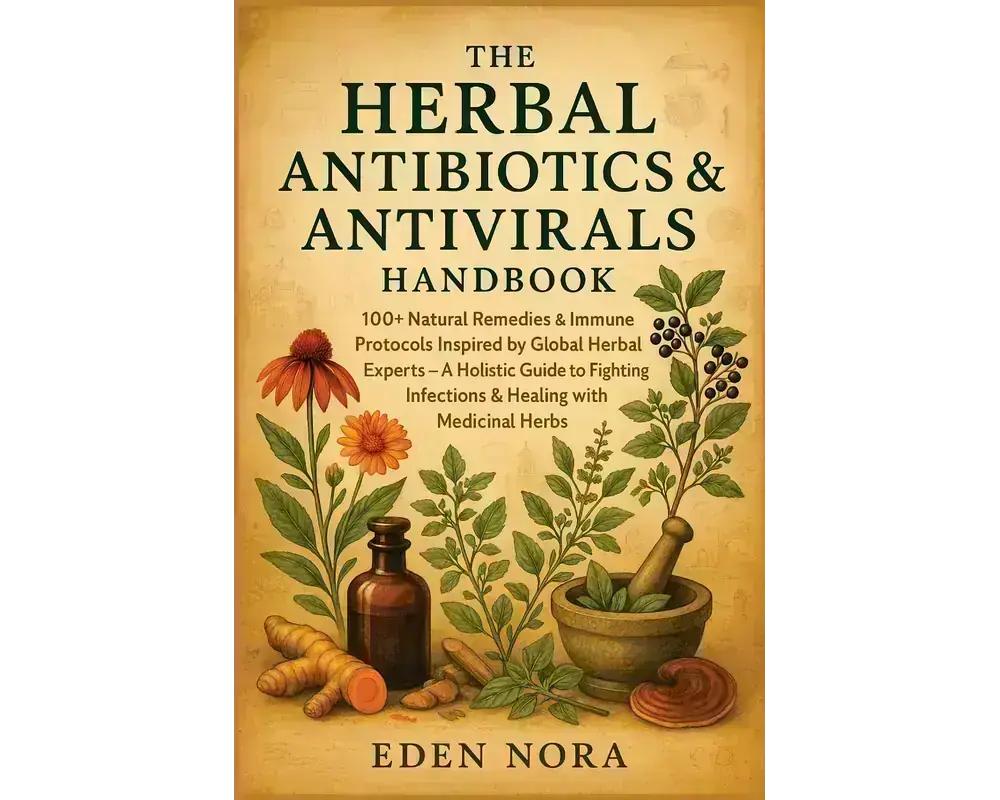
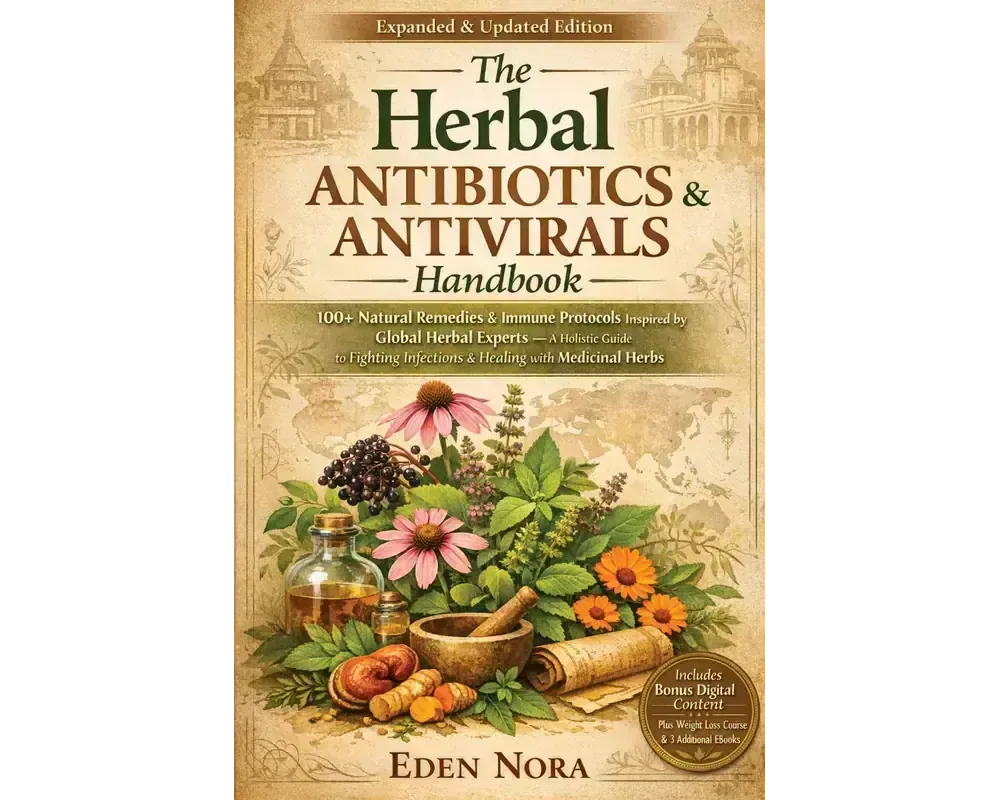
Readers interested in a narrower topic can also explore The Herbal Antibiotics & Antivirals Handbook or the expanded handbook. Those companion books examine particular herbal traditions; the encyclopedia serves as the broader botanical reference. None establishes that herbs can replace clinically indicated antibiotics or antivirals.
Herbs may cause allergies, adverse effects and medication interactions. Children, pregnancy, breastfeeding, chronic illness and planned surgery require particular care. Seek professional advice before using an unfamiliar preparation when relevant, and obtain appropriate medical assessment for persistent or worsening symptoms.
The encyclopedia is for readers who value the ability to return to a reference, compare information and develop clearer questions about medicinal plants. It is an educational resource, not an individualized treatment plan.