Explore Medicinal Herbs with Curiosity and Care
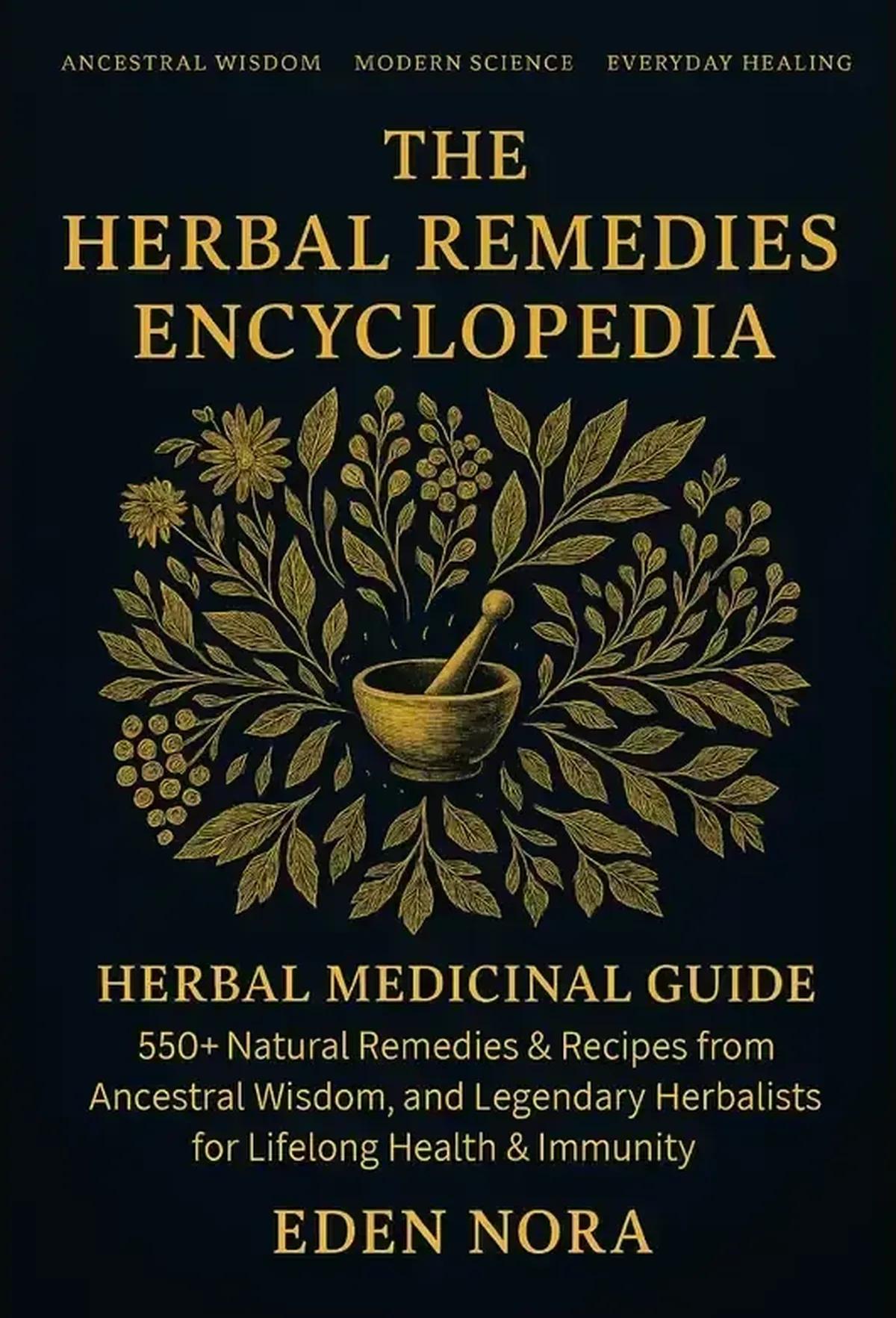
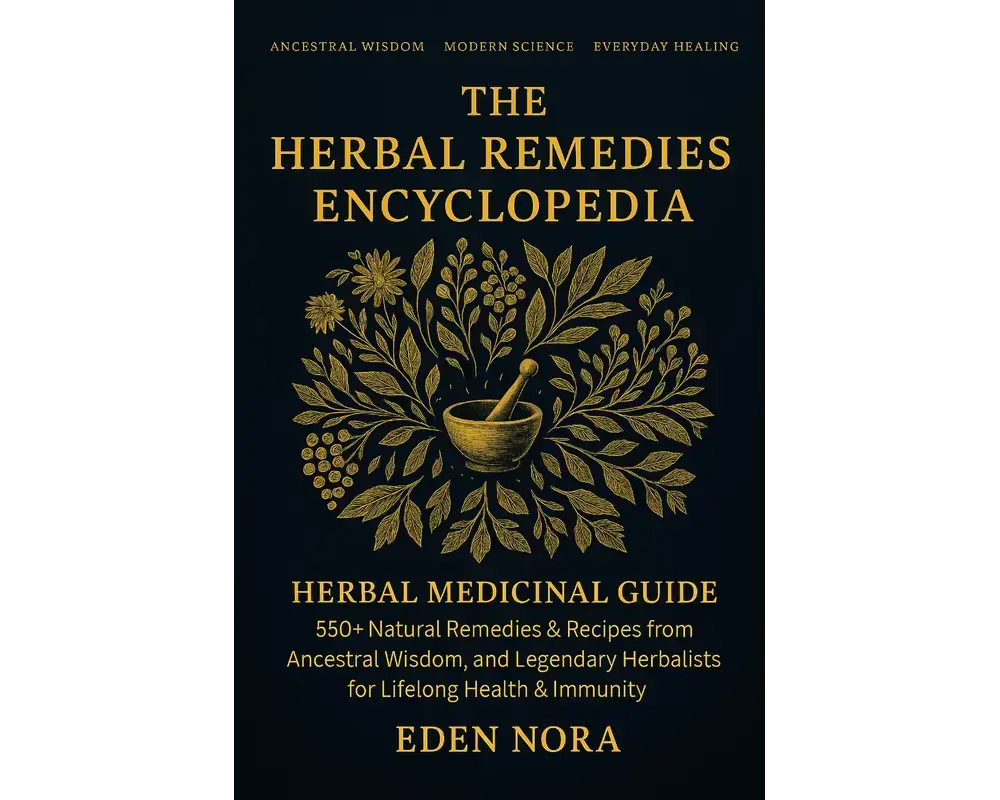
Some plants have travelled through kitchens, gardens and healing traditions for centuries. Others have become familiar through modern herbal products and wellness conversations. The fascination is understandable: every leaf, root and seed has a history worth discovering. Yet historical use does not automatically establish medical effectiveness, and “natural” is not a guarantee of safety. The Herbal Remedies Encyclopedia brings that curiosity into a more organized, practical reference.
Presented as a collection of more than 550 herbal remedies and recipes, this wide-ranging guide invites readers to explore medicinal plants, familiar preparation methods and traditional approaches to everyday well-being. Rather than searching scattered sources for one herb after another, you can build a reference you return to as your interests develop. The aim is informed exploration—not a promise that plants cure disease or replace appropriate medical treatment.
What You Can Explore Inside
The encyclopedia approaches herbal knowledge as a subject to understand, not a collection of miracle solutions. Readers interested in botanical traditions and practical preparations can examine several connected themes:
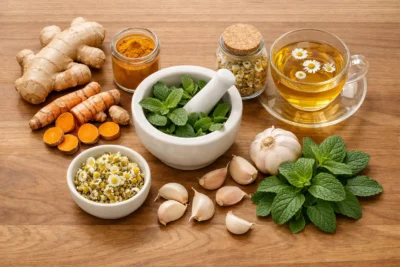
- Medicinal plants and historical context: why particular herbs became part of familiar wellness traditions and what their traditional uses mean.
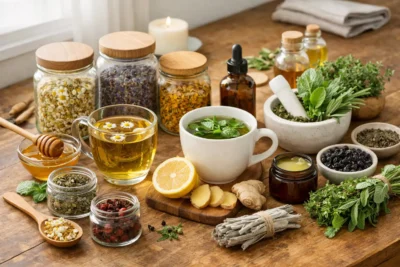
- Herbal preparations: the distinctions among infusions, decoctions, teas, tinctures and other common formats.
- Remedies and recipes: an organized way to look at ingredients, preparation techniques and the intended purpose of a formulation.
- Everyday interests: how herbal practices are discussed in relation to digestion, relaxation, seasonal routines and general wellness.
- Responsible decision-making: the importance of plant identification, sourcing, product labeling and potential interactions.
This breadth is particularly valuable for beginners. It offers vocabulary and structure before experimentation, helping readers recognize the difference between a familiar kitchen herb and a concentrated commercial extract.
Preparation Makes a Difference
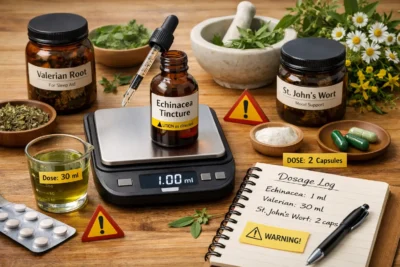
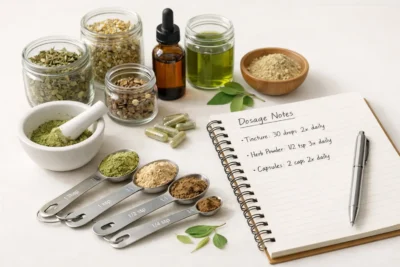
A plant name tells only part of the story. Leaves and roots can contain different constituents, and brewing a tea is not equivalent to taking an essential oil or highly concentrated capsule. Preparation, amount, quality and individual health circumstances can all affect a botanical product’s risk profile. A recipe that appears simple may still be inappropriate for someone who takes medication or lives with a medical condition.
As you browse the encyclopedia, pay attention to the form being discussed. Learn what an infusion involves, how a decoction differs, and why a tincture is not interchangeable with every other preparation. Understanding these fundamentals makes herbal information easier to evaluate and reduces the temptation to treat all products labelled with the same plant name as equivalent.
Readers who enjoy gardening, botanical history or traditional family recipes will find plenty of subjects to investigate. Those considering an herbal product for personal use should verify information from reputable sources and consult a qualified clinician or pharmacist about individual safety.
Traditional Wisdom and Modern Evidence Are Different Kinds of Knowledge
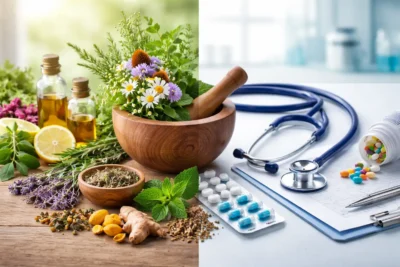
Many botanicals were used long before scientific trials existed. That history is culturally important, but it should be distinguished from clinical evidence about benefits and harms. A laboratory study of a plant compound is not proof that a household remedy treats an illness in people. Nor does evidence about one standardized extract apply to every product containing that herb.
A careful reader asks specific questions. Which species is being discussed? What part of the plant was used? Has the claimed effect been studied in humans? What dose and preparation were investigated? What adverse reactions or interactions are known? These questions create a stronger foundation than dramatic testimonials or broad promises about “detox,” immunity or natural cures.
For suspected infections, persistent symptoms, worsening illness or emergencies, seek appropriate medical assessment. Herbal products should never be used as a reason to delay necessary care or discontinue prescribed treatment.
Safety Belongs at the Center of Every Herbal Reference
Herbs can cause side effects, allergies and medication interactions. Some botanical products may be contaminated, inaccurately labelled or substantially more concentrated than traditional food preparations. Pregnancy, breastfeeding, chronic conditions, surgery and the use of prescription medication can all change which products are appropriate. Children also require special consideration.
If you are thinking about using an herbal preparation, check the specific product and its ingredients rather than relying on the name of an herb alone. A pharmacist or healthcare professional can help identify relevant medication interactions and risks. If a product causes a worrying reaction, stop using it and seek appropriate advice.
For independent consumer guidance, see the National Center for Complementary and Integrative Health’s guidance on dietary supplements and MedlinePlus information on herbal remedies. Both explain why natural products still require careful evaluation.
Use This Book as a Reference, Not a Checklist
You do not need to try hundreds of remedies to benefit from a broad encyclopedia. Start with a plant you are curious about. Note its botanical identity, preparation methods, traditional context and safety questions. Compare information against reputable evidence. A notebook of questions may be more useful than a cupboard full of unfamiliar extracts.
The encyclopedia is equally suitable for readers building a small botanical library and those wanting a single organized resource on medicinal herbs. It can help you ask clearer questions, understand the language on herbal labels and make more thoughtful distinctions among traditional practice, personal experience and scientific findings.
Continue Exploring Related Herbal Guides
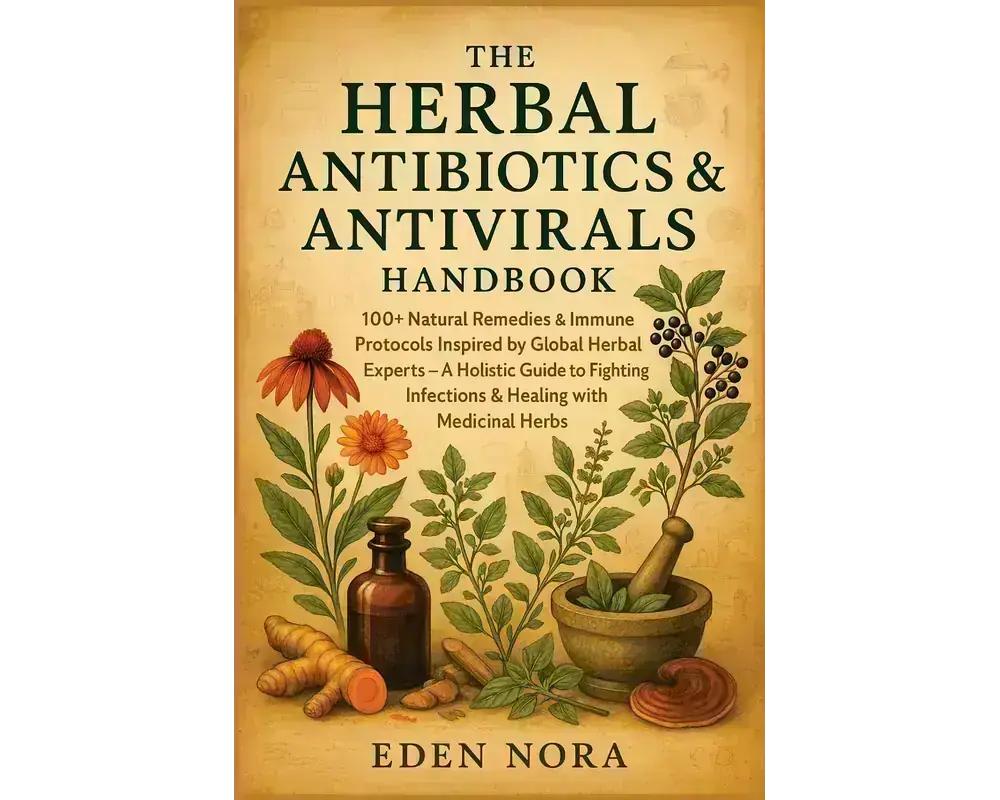
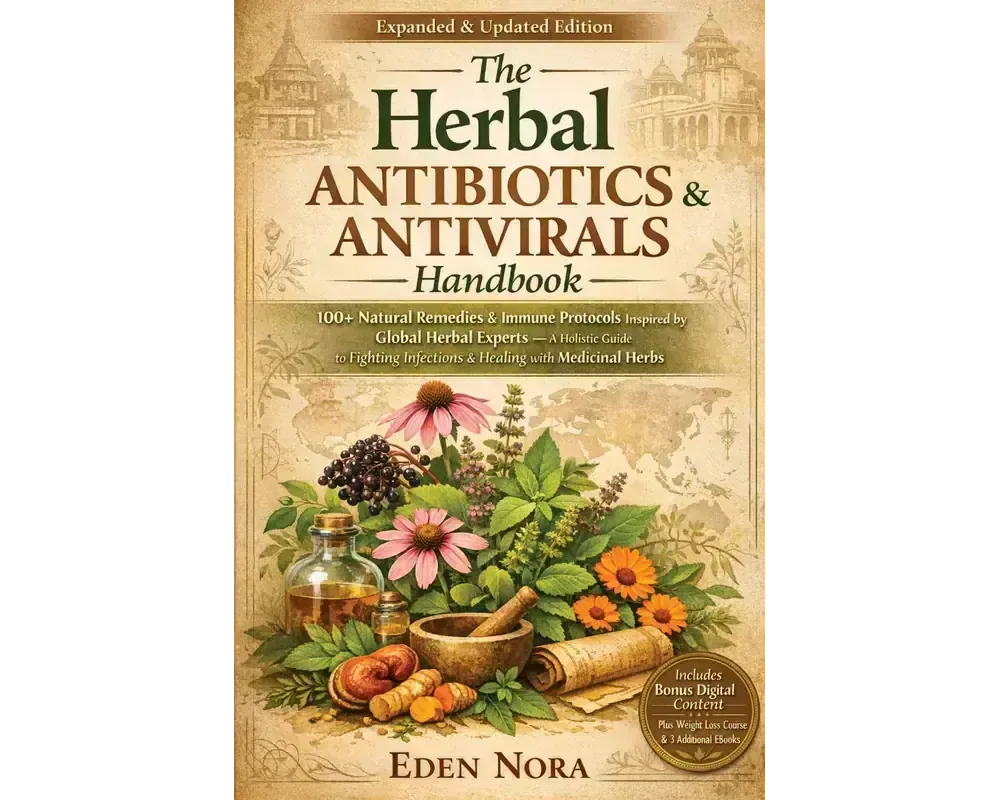
For readers interested in how certain plants are traditionally discussed in connection with infection and immune support, Mayobook also offers The Herbal Antibiotics & Antivirals Handbook. A more narrowly focused companion is the Herbal Antibiotics and Antivirals Handbook (Expanded). These related books provide further reading on botanical traditions; none should be treated as proof that an herbal preparation can replace clinically indicated antibiotic or antiviral treatment.
The Herbal Remedies Encyclopedia remains the wider reference—a place to develop botanical literacy, explore methods and examine the many questions that responsible herbal study invites.
Who This Encyclopedia Is For
This guide is for curious beginners, herbal-history enthusiasts, home gardeners, people interested in traditional wellness practices and readers who want a structured introduction to a large collection of herbal preparations. It is especially appealing if you prefer examining methods and context to relying on isolated social-media tips or sensational claims.
What makes a reference valuable is not the strength of its promises but the clarity it gives you. By learning to evaluate plants, preparations and sources carefully, you can approach herbal information with both interest and appropriate skepticism.
Educational notice: This book does not diagnose, treat, prevent or cure disease. Discuss herbal products with a healthcare professional when relevant, and do not stop prescribed medication or delay medical care because of a recipe, anecdote or traditional-use claim.