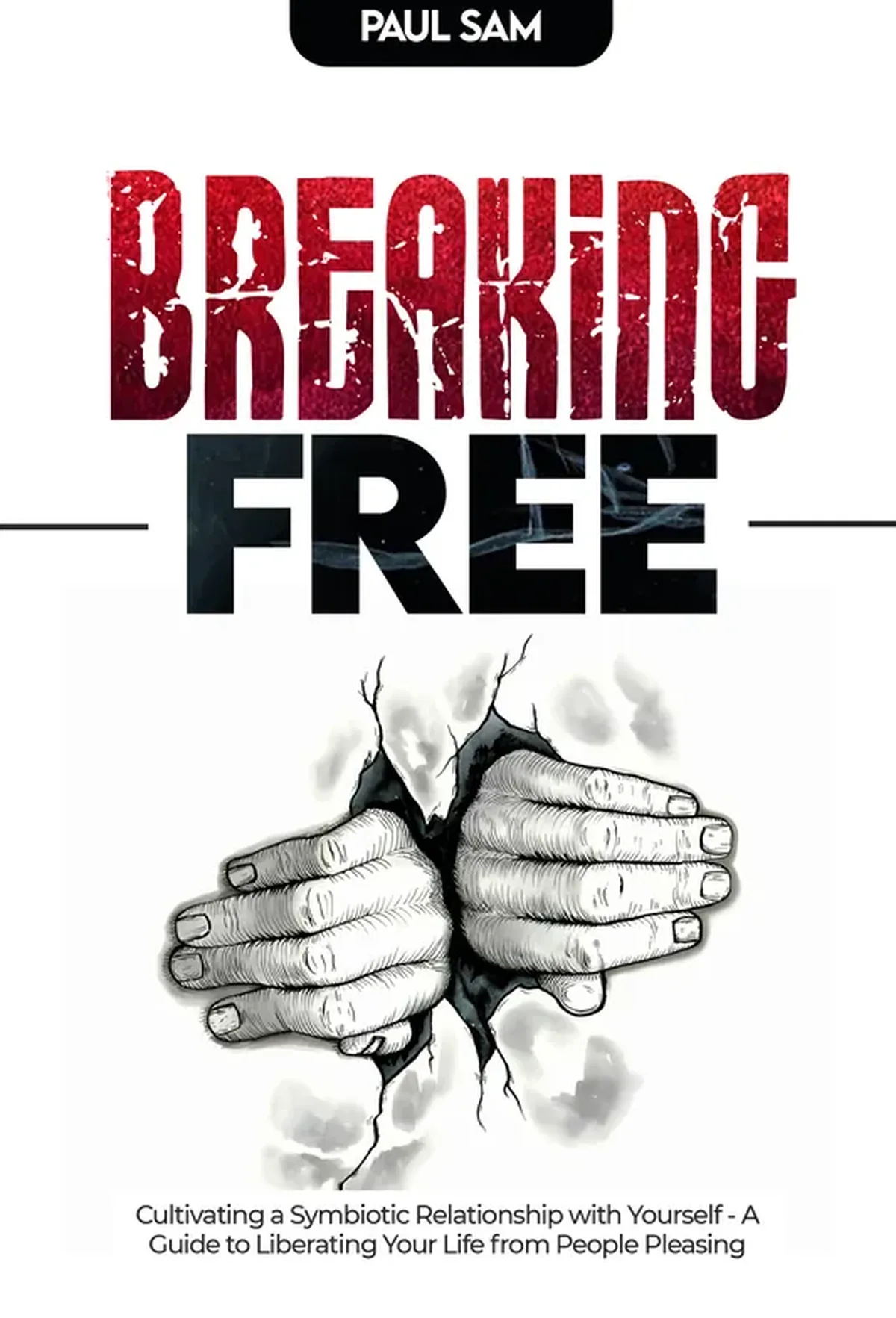
There is a particular kind of loneliness that comes from being surrounded by people who like you but rarely know what you really think. You become good at anticipating their needs, smoothing over disagreement and making yourself available. Over time, it can become difficult to recognize which decisions reflect your own wishes and which are made to keep someone else’s approval.
In Breaking Free, Paul Sam explores how people-pleasing can shape our sense of identity and the way we participate in relationships. This self-help book is for readers who want to understand their habit of accommodating others, develop healthier personal boundaries and build a relationship with themselves that does not depend entirely on being needed or praised.
When being helpful begins to cost too much
Taking responsibility for a colleague’s workload, agreeing to plans you would rather decline or repeatedly apologizing for having an opinion can appear harmless in isolation. The problem emerges when such choices become automatic. You may begin to associate being valued with being available, even when you are tired or unhappy.
The guide examines the role of fear of rejection, criticism and conflict in these patterns. It encourages readers to look at what happens before they agree to something and how they feel afterward. Our companion article on people-pleasing and resentment offers further context for understanding the frustration that can build when needs repeatedly go unspoken.
Develop boundaries that respect your relationships
One of the most difficult parts of changing a people-pleasing habit is tolerating another person’s disappointment. Knowing that a request is unreasonable does not necessarily make refusing it comfortable. The book explores this tension through familiar situations, reflective questions and exercises that help readers practice more deliberate responses.
- Recognize situations in which fear of disapproval influences your answer.
- Consider your actual capacity before making commitments.
- Communicate a preference or refusal without treating it as an offense.
- Reflect on the difference between responsibility for your actions and responsibility for another person’s feelings.
- Notice how following through on your own decisions can support self-trust.
These are skills to develop through experience, not rules for becoming less caring. You can be generous without agreeing to every demand, and you can listen to other perspectives without giving up your own.
Rebuild self-trust through everyday decisions
A more authentic relationship with yourself can develop through ordinary moments: admitting that you need rest, expressing a different opinion or honoring a commitment you made to yourself. The book approaches personal growth as a process that takes reflection and practice rather than a sudden transformation.
For readers who want to recognize gradual change, our guide to signs you are recovering from people-pleasing provides additional examples of what progress can look like. Readers interested in developing personal agency and confidence under pressure may also explore Rise to Lead.
Who will find this book useful?
Breaking Free may resonate with professionals who struggle to decline extra work, caregivers who rarely make time for themselves, partners who hide their preferences to avoid arguments and friends who feel responsible for maintaining everyone else’s happiness. It offers a thoughtful starting point for examining these patterns without treating generosity as a flaw.
People-pleasing can arise in complicated personal circumstances. This book is educational and is not a substitute for therapy, diagnosis or individualized support. If you experience ongoing distress or feel unsafe in a relationship, qualified help may be particularly important.
You deserve to participate in your own life, not simply organize it around the expectations of others. Explore Breaking Free if you are ready to understand what your habits have been protecting you from and consider how to make space for a more honest way of living.