Pink Salt Trick Recipe for Weight Loss: An Evidence-Aware 28-Day Wellness Guide
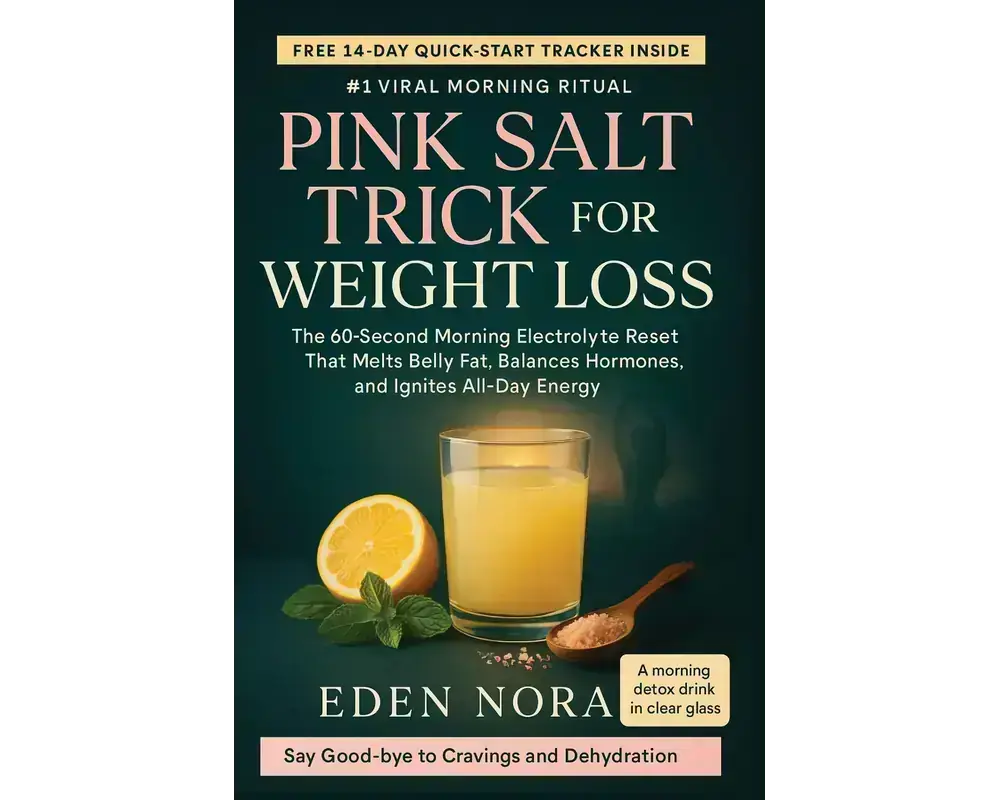
Pink Salt Trick Recipe for Weight Loss explores the popular morning pink salt drink trend alongside recipes, meal-planning ideas, and reflective routines. Its 28-day format offers a way to organize everyday habits without relying on restrictive dieting or dramatic promises.
One distinction matters: drinking Himalayan pink salt water has not been shown in credible clinical trials to burn fat, speed metabolism, balance hormones, or treat digestive problems. Pink salt is primarily sodium chloride, just like other culinary salts. Trace minerals do not make it a weight-loss treatment. The practical elements of this guide are its recipe ideas, planning prompts, and opportunities to reflect on sustainable routines.
What the Guide Covers
- Understanding the trend: What a pink salt drink is, why it has become popular, and how to separate appealing online stories from supported nutritional facts.
- Drink ideas and hydration: Approachable beverage options and reminders that ordinary hydration generally does not require adding salt to water.
- Meal inspiration: Balanced breakfast, lunch, dinner, and snack ideas to make daily planning simpler.
- A 28-day structure: A manageable period for exploring consistency, journaling, and routines that fit individual schedules.
- Realistic expectations: Guidance for viewing weight and wellness as multifactorial rather than expecting a single morning ritual to change body composition.
Why Hydration and Salt Are Not the Same Thing
Water supports normal physical functioning, but that does not mean that adding sodium to every glass of water improves hydration or weight management. Many people already consume more sodium than recommended. Excess sodium can contribute to elevated blood pressure, particularly in susceptible individuals. Pink Himalayan salt is not exempt from those concerns.
People sometimes describe salt drinks as a “mineral reset” or “metabolic activation.” Those labels are promotional language rather than established clinical outcomes. There is no demonstrated special timing or pink salt ratio that makes morning fat loss occur. The routines in this guide are best approached as optional recipe and planning activities—not physiological treatments.
How to Make the Most of a 28-Day Plan
Use the planning framework to choose meals you enjoy, consider ordinary hydration needs, and reflect on how sleep, activity, stress, and food choices fit together. A simple journal can help record preferences and practical obstacles. Changes that remain comfortable and workable after the challenge are generally more valuable than extreme measures that cannot be sustained.
The book may appeal to readers curious about wellness trends, people who prefer a structured schedule, and those looking for everyday recipe inspiration. It should not be used as an individualized diet prescription or as a substitute for treatment of a medical condition.
Important Safety Context
If you have high blood pressure, kidney disease, heart disease, an advised sodium restriction, or a condition affecting fluid balance, speak with a qualified health professional before intentionally adding salt to beverages. The same caution applies during pregnancy or when using medications that influence blood pressure, sodium, or fluid levels. Seek individualized advice for unexplained weight changes, persistent fatigue, or other concerning symptoms.
Pairing the Plan With Other Habits
Wellness can include enjoyable movement, meals with vegetables and other nutrient-dense foods, sufficient sleep, and supportive routines. No specific exercise program, supplement, or salt drink is required to benefit from a more balanced lifestyle. The goal is to build informed habits that match your circumstances.
Bottom line: Explore this 28-day recipe and routine guide with curiosity and sound expectations. Pink salt water is not a proven weight-loss shortcut; the enduring value lies in sensible meals, practical planning, and sustainable choices.