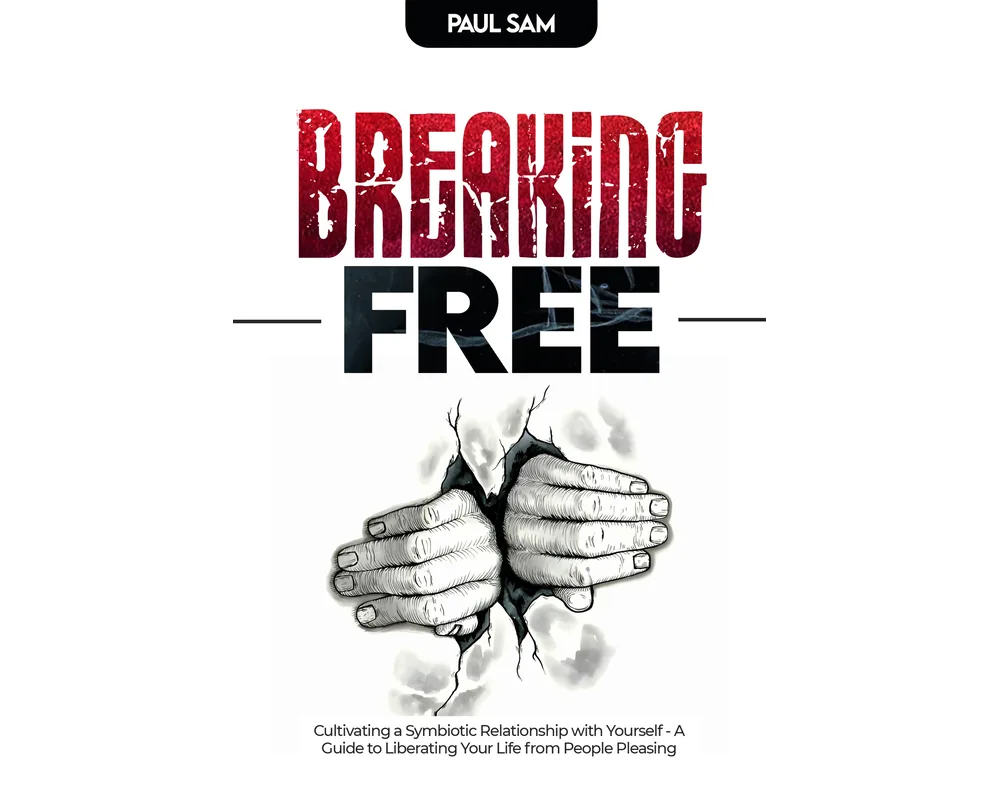
Breaking Free: A Guide to Liberating Your Life from People Pleasing
Written by Paul Sam
Store Rank #75

Breaking Free: A Guide to Liberating Your Life from People Pleasing

Paul Sam’s Breaking Free is a thoughtful self-help book about people-pleasing, approval seeking and personal boundaries. Explore the beliefs behind automatic agreement, practice e…

AuthorPaul Sam

Book Blurb

There is a particular kind of loneliness that comes from being surrounded by people who like you but rarely know what you really think. You become good at anticipating their needs, smoothing over disagreement and making yourself available. Over time, it can become difficult to recognize which decisions reflect your own wishes and which are made to keep someone else’s approval.

In Breaking Free, Paul Sam explores how people-pleasing can shape our sense of identity and the way we participate in relationships. This self-help book is for readers who want to understand their habit of accommodating others, develop healthier personal boundaries and build a relationship with themselves that does not depend entirely on being needed or praised.

When being helpful begins to cost too much

Taking responsibility for a colleague’s workload, agreeing to plans you would rather decline or repeatedly apologizing for having an opinion can appear harmless in isolation. The problem emerges when such choices become automatic. You may begin to associate being valued with being available, even when you are tired or unhappy.

The guide examines the role of fear of rejection, criticism and conflict in these patterns. It encourages readers to look at what happens before they agree to something and how they feel afterward. Our companion article on people-pleasing and resentment offers further context for understanding the frustration that can build when needs repeatedly go unspoken.

Develop boundaries that respect your relationships

One of the most difficult parts of changing a people-pleasing habit is tolerating another person’s disappointment. Knowing that a request is unreasonable does not necessarily make refusing it comfortable. The book explores this tension through familiar situations, reflective questions and exercises that help readers practice more deliberate responses.

  • Recognize situations in which fear of disapproval influences your answer.
  • Consider your actual capacity before making commitments.
  • Communicate a preference or refusal without treating it as an offense.
  • Reflect on the difference between responsibility for your actions and responsibility for another person’s feelings.
  • Notice how following through on your own decisions can support self-trust.

These are skills to develop through experience, not rules for becoming less caring. You can be generous without agreeing to every demand, and you can listen to other perspectives without giving up your own.

Rebuild self-trust through everyday decisions

A more authentic relationship with yourself can develop through ordinary moments: admitting that you need rest, expressing a different opinion or honoring a commitment you made to yourself. The book approaches personal growth as a process that takes reflection and practice rather than a sudden transformation.

For readers who want to recognize gradual change, our guide to signs you are recovering from people-pleasing provides additional examples of what progress can look like. Readers interested in developing personal agency and confidence under pressure may also explore Rise to Lead.

Who will find this book useful?

Breaking Free may resonate with professionals who struggle to decline extra work, caregivers who rarely make time for themselves, partners who hide their preferences to avoid arguments and friends who feel responsible for maintaining everyone else’s happiness. It offers a thoughtful starting point for examining these patterns without treating generosity as a flaw.

People-pleasing can arise in complicated personal circumstances. This book is educational and is not a substitute for therapy, diagnosis or individualized support. If you experience ongoing distress or feel unsafe in a relationship, qualified help may be particularly important.

You deserve to participate in your own life, not simply organize it around the expectations of others. Explore Breaking Free if you are ready to understand what your habits have been protecting you from and consider how to make space for a more honest way of living.

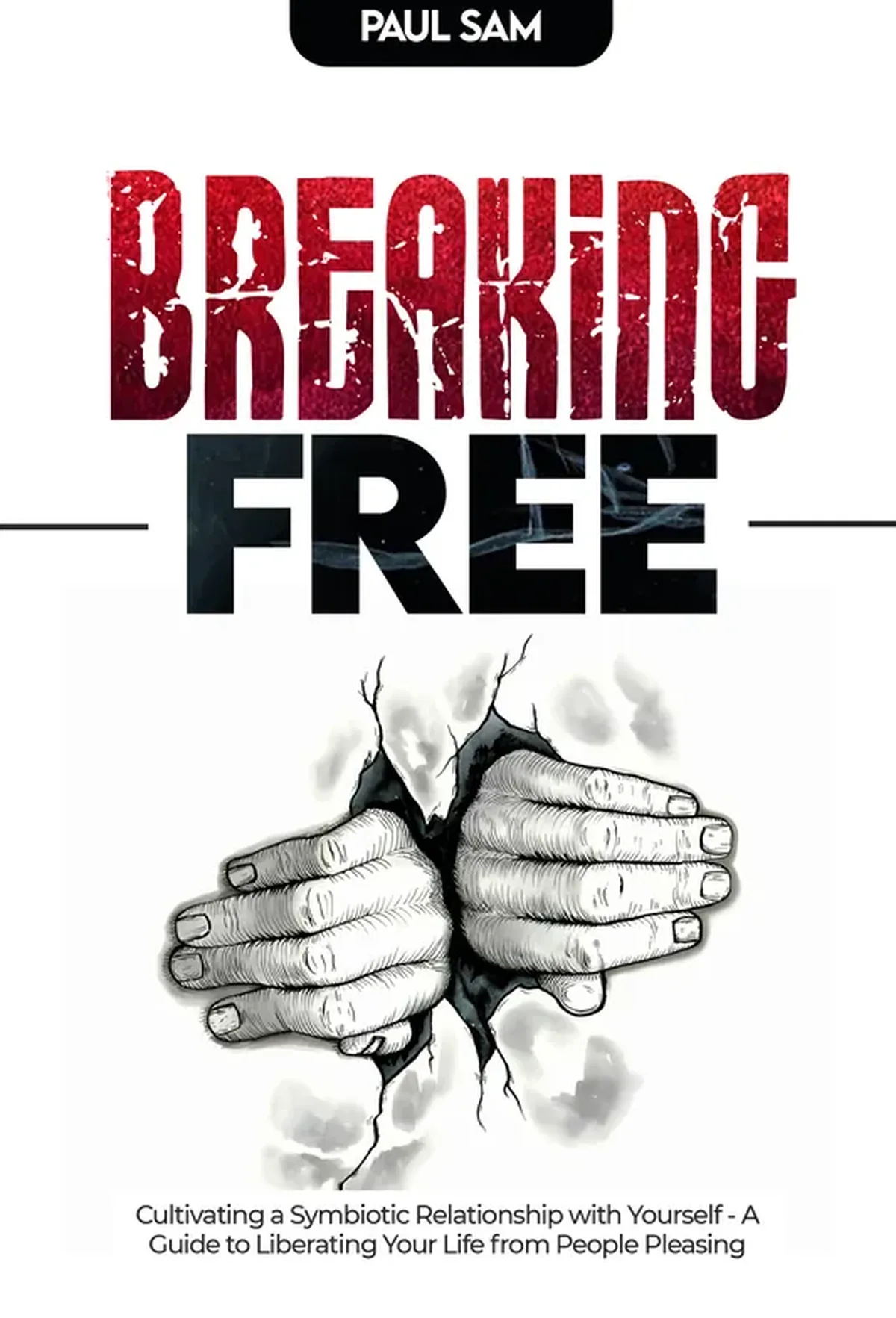
Explore the benefits, ideal readers and key subjects.

Benefits

  • Recognize when kindness becomes an exhausting obligation.
  • Understand beliefs that can make disapproval feel threatening.
  • Practice pausing before agreeing to a request.
View more
  • Develop clearer ways to express needs and limits.
  • Notice gradual progress rather than expect instant change.
  • Make more room for self-respect in relationships.

Who This Book Is For

  • For readers who habitually put other people's needs ahead of their own, including caregivers, professionals, partners and friends who struggle to voice preferences or decline requests. It is also relevant to readers exploring assertiveness, boundaries and approval seeking as part of personal growth.

What’s Inside

  • Recognizing automatic approval-seeking patterns and their emotional costs
  • Exploring beliefs about rejection, conflict and personal worth
  • Identifying needs, preferences and neglected boundaries
View more
  • Practicing direct, respectful communication and saying no
  • Managing guilt and discomfort when changing familiar habits
  • Developing self-trust, emotional resilience and authentic relationships
PUBLICATION & EDITION

Product details

Format
eBook

Be considerate without making yourself invisible

When being agreeable becomes a condition of feeling accepted, even ordinary requests can carry enormous emotional weight. Breaking Free helps readers examine that pattern, understand the difference between care and obligation, and practice a more honest way of responding to others. Its reflective approach connects self-awareness with the everyday decisions through which stronger boundaries take shape.

Customer reviews

B
Bea Peterson

Grounded, Relatable, and Very Useful

The practical steps are small enough that I didn’t feel overwhelmed trying to apply them. The tone of the whole book felt like a conversation rather than a lecture, which made it easy to keep turning pages.

It left me feeling hopeful and capable rather than guilty about where I’m starting. What stood out to me was how honest the author was about the messy middle of change, not just the happy ending. It never talked down to me, which I really value in a book like this.

S
Shaneie

Helped Me Take Action, Not Just Think

The tone of the whole book felt like a conversation rather than a lecture, which made it easy to keep turning pages. The practical steps are small enough that I didn’t feel overwhelmed trying to apply them. I dog-eared more sections than I expected, and I’ve already gone back to re-read a few favourite bits. It left me feeling hopeful and capable rather than guilty about where I’m starting.

What stood out to me was how honest the author was about the messy middle of change, not just the happy ending. I could feel small shifts in how I was thinking and behaving almost immediately.

R
Rhea 3

Real, Down-to-Earth Advice

The tone of the whole book felt like a conversation rather than a lecture, which made it easy to keep turning pages. I dog-eared more sections than I expected, and I’ve already gone back to re-read a few favourite bits. It left me feeling hopeful and capable rather than guilty about where I’m starting.

What stood out to me was how honest the author was about the messy middle of change, not just the happy ending. I kept catching myself nodding along because so many examples felt like they were pulled from my own life.

C
Cole 3

Grounded, Relatable, and Very Useful

The practical steps are small enough that I didn’t feel overwhelmed trying to apply them. It left me feeling hopeful and capable rather than guilty about where I’m starting.

I dog-eared more sections than I expected, and I’ve already gone back to re-read a few favourite bits. What stood out to me was how honest the author was about the messy middle of change, not just the happy ending. I kept catching myself nodding along because so many examples felt like they were pulled from my own life.

L
Lewis Peterson

Exactly What I Needed Right Now

I dog-eared more sections than I expected, and I’ve already gone back to re-read a few favourite bits. What stood out to me was how honest the author was about the messy middle of change, not just the happy ending.

The tone of the whole book felt like a conversation rather than a lecture, which made it easy to keep turning pages. Even after I finished, a couple of ideas from the book stayed in the back of my mind during the week. I ended up highlighting more lines than I expected, and I don’t do that often. I kept catching myself nodding along because so many examples felt like they were pulled from my own life.

HELPFUL ANSWERS

Frequently Asked Questions

Questions about the book, its subjects and available editions.

What is Breaking Free by Paul Sam about?

It is a self-help book about recognizing people-pleasing habits, examining the need for approval, practicing healthy boundaries and developing self-trust in everyday relationships.

Is this book useful if I feel guilty saying no?

Yes. The guide explores the discomfort that can follow a refusal and encourages readers to reflect on the beliefs behind that guilt while practicing respectful communication.

Does the book teach practical boundary-setting?

It includes reflective questions, examples and exercises about noticing your limits, considering requests before committing, expressing preferences and declining demands you cannot reasonably meet.

Is people-pleasing the same as being kind?

No. Kindness can be a freely chosen response, while people-pleasing can involve repeatedly suppressing needs or preferences to avoid disapproval. The book explores how to distinguish the two without dismissing compassion.

Can the guide help with people-pleasing at work?

The book addresses familiar situations in work, home and close relationships, including taking on extra responsibilities, avoiding conflict and struggling to communicate personal limits.

Is the book a treatment for anxiety or trauma?

No. It is an educational personal-growth resource, not a diagnosis or treatment. Readers experiencing persistent distress, trauma-related difficulties or unsafe relationships may benefit from individualized support from a qualified professional.

Do I need to stop caring about other people to benefit from the book?

No. Its focus is on including your own needs in decisions while maintaining care and consideration for others, rather than becoming indifferent or rejecting relationships.

Continue exploring

Guides, Answers & Resources

Helpful Mayobook guides, answers, comparisons and references connected to this book.