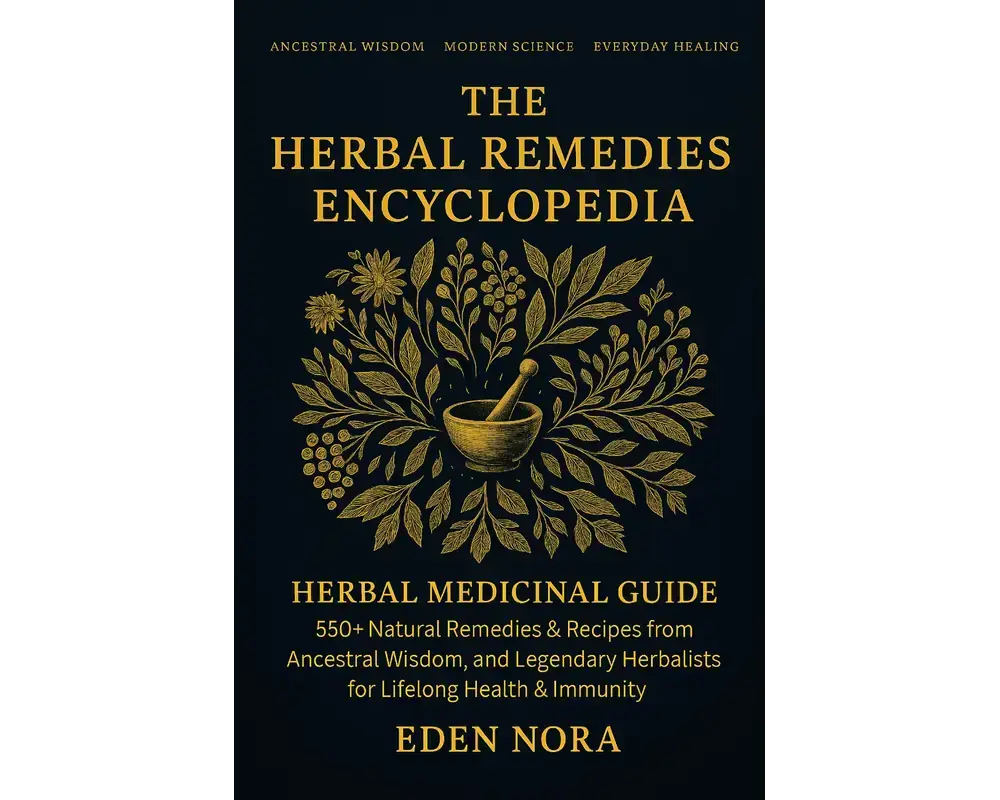
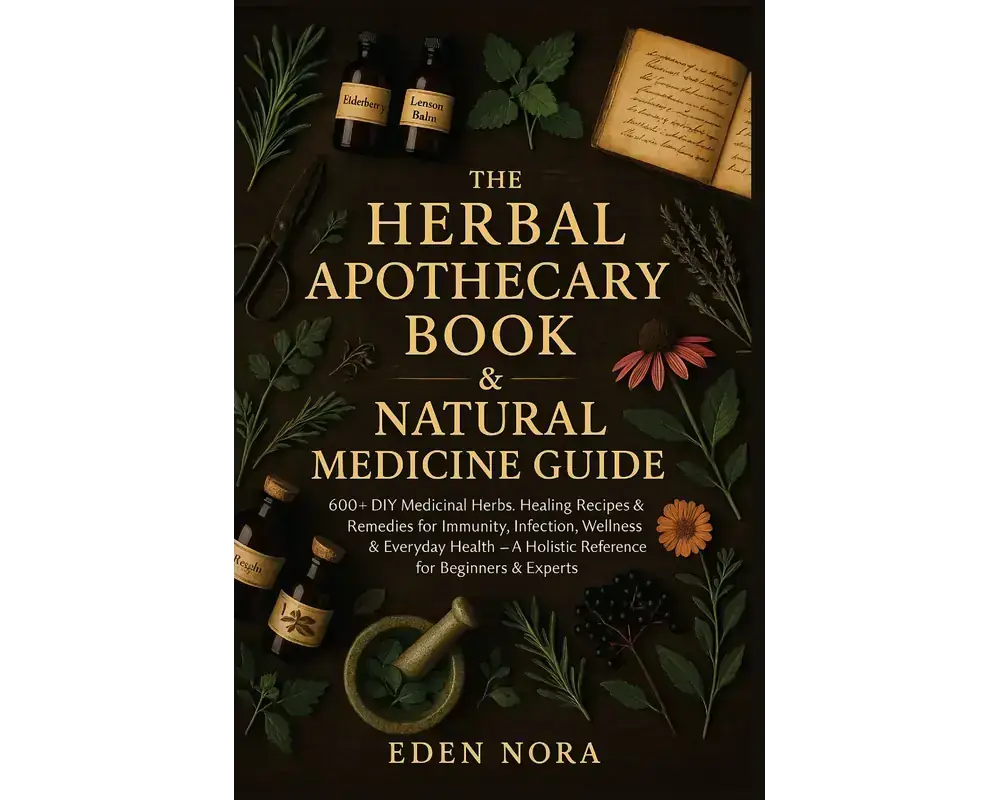
Medicinal herbs have supported human wellness for generations, offering practical ways to nourish the body, encourage balance, and build healthier daily routines through nature-inspired care. Apothecary Medicinal Herbs brings together traditional herbal wisdom and approachable modern wellness guidance to help readers confidently explore natural healing through medicinal plants, herbal tonics, and time-honored remedies.
Whether you are completely new to herbal medicine or looking to deepen your understanding of natural wellness practices, this guide is designed to make herbal healing feel practical, approachable, and useful in everyday life. Instead of overwhelming readers with complicated terminology or rigid systems, the book focuses on helping people build simple, sustainable herbal wellness habits that support overall well-being.
Inside, readers will discover a wide variety of medicinal herbs traditionally used for everyday wellness support. From soothing herbal teas and calming botanical blends to invigorating tonics and practical herbal preparations, the book explores ways herbs can become part of a balanced lifestyle focused on vitality, mindfulness, and natural care.
One of the strengths of this guide is its emphasis on practical application. Readers are not simply introduced to herbs in theory — they are guided through ways herbal remedies can fit naturally into everyday routines. Whether supporting relaxation after stressful days, creating calming evening rituals, improving wellness habits, or learning how to prepare herbal tonics at home, the book encourages readers to engage with herbal wellness in realistic and achievable ways.
The guide also helps demystify herbal preparation methods. Many beginners feel intimidated by tinctures, infusions, herbal oils, and botanical blends, but this book simplifies those concepts into manageable steps that feel easy to follow. Readers can gradually build confidence while learning how medicinal herbs have traditionally been used to support wellness, comfort, and daily balance.
Another valuable aspect of the book is its focus on holistic wellness rather than quick-fix promises. Herbal medicine is presented as part of a broader lifestyle that includes intentional wellness practices, mindful routines, and long-term self-care. This balanced perspective makes the guide especially appealing for readers who want to explore natural wellness in a grounded and practical way.
Readers interested in building a home herbal apothecary will also appreciate the wide range of medicinal herbs and herbal ideas included throughout the guide. From foundational herbs commonly found in herbal wellness traditions to practical tonics and botanical preparations, the book encourages readers to gradually create a personalized herbal toolkit suited to their lifestyle and wellness goals.
The tone throughout the book remains encouraging, supportive, and beginner friendly. Instead of presenting herbal wellness as something exclusive or difficult to understand, the guide helps readers see natural healing as something approachable and adaptable to modern life. This makes the book valuable not only for wellness enthusiasts, but also for busy adults seeking healthier daily habits and more intentional approaches to self-care.
For readers exploring holistic living, natural wellness, or herbal medicine for the first time, this book provides a practical introduction that feels both inspiring and usable. It bridges traditional herbal knowledge with modern everyday wellness needs in a way that feels accessible, calming, and empowering.
Whether you are interested in medicinal herbs, herbal tonics, wellness rituals, or natural remedies for everyday support, Apothecary Medicinal Herbs offers a thoughtful and practical resource designed to help readers embrace herbal wellness with greater confidence and clarity.