What Is Herbal Medicine?
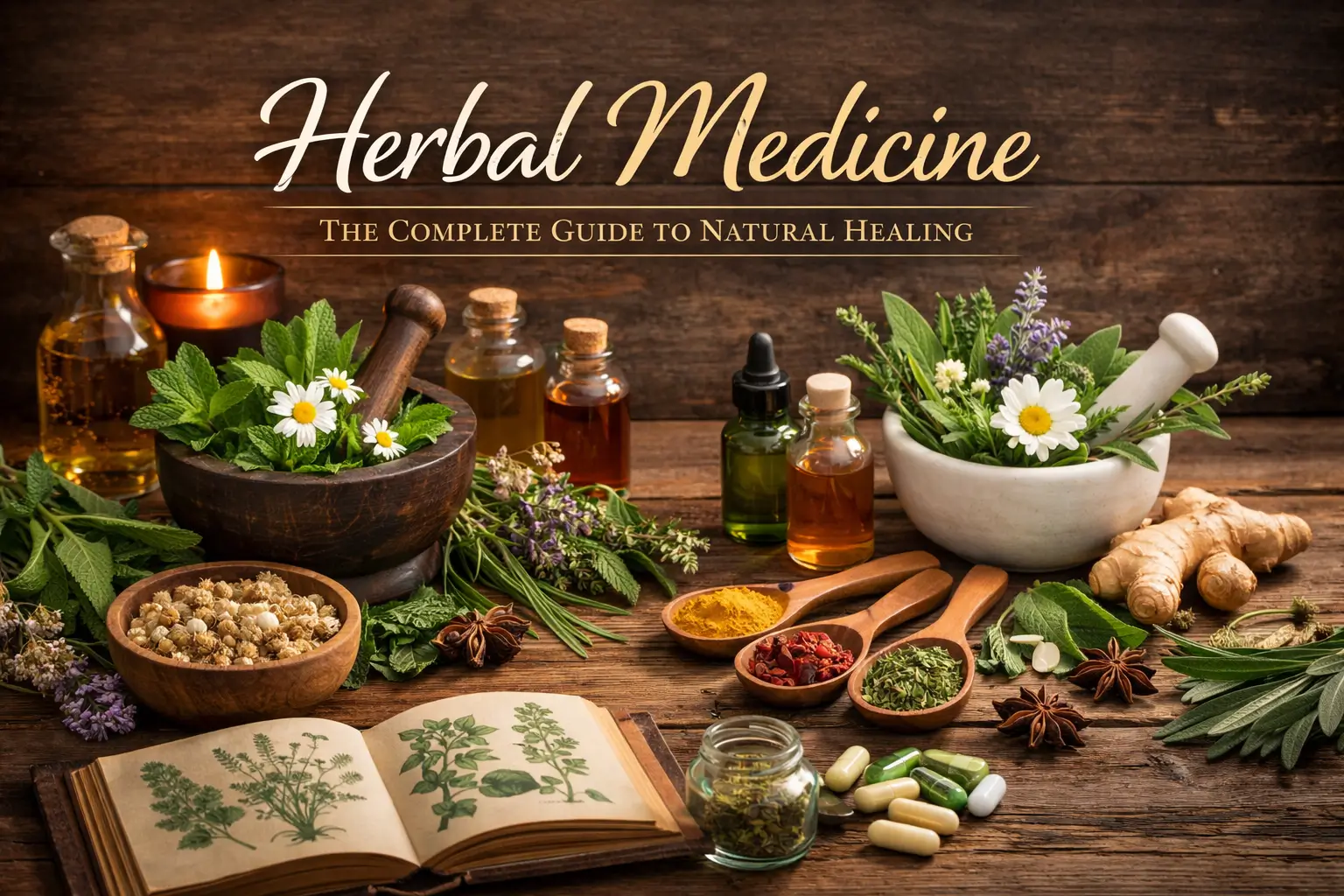
Herbal medicine is a system of healing that uses plants and plant-derived compounds to support the body’s natural ability to recover, defend itself, and maintain balance.
Unlike conventional approaches that often target a single symptom or pathogen, herbal medicine works through a combination of mechanisms—supporting the immune system, reducing inflammation, and addressing the underlying environment in which illness develops.
This makes it more than a treatment method. It becomes a broader framework for understanding how the body responds to stress, infection, and imbalance over time.
How Herbal Medicine Works Differently
One of the most important distinctions between herbal and conventional medicine is how they approach intervention.
Modern pharmaceuticals are often designed to act quickly and directly on a specific target—such as reducing pain, suppressing inflammation, or killing a specific class of bacteria.
Herbal medicine, by contrast, often works through multiple pathways at once. A single herb may support immune response, reduce inflammation, and create a less favorable environment for harmful microbes at the same time.
- weakening harmful microorganisms
- supporting immune resilience
- reducing internal inflammation
- supporting recovery and tissue repair
Because of this, herbal approaches are often more gradual—but also more supportive of long-term health and system-wide balance.
The Role of Herbal Antibiotics
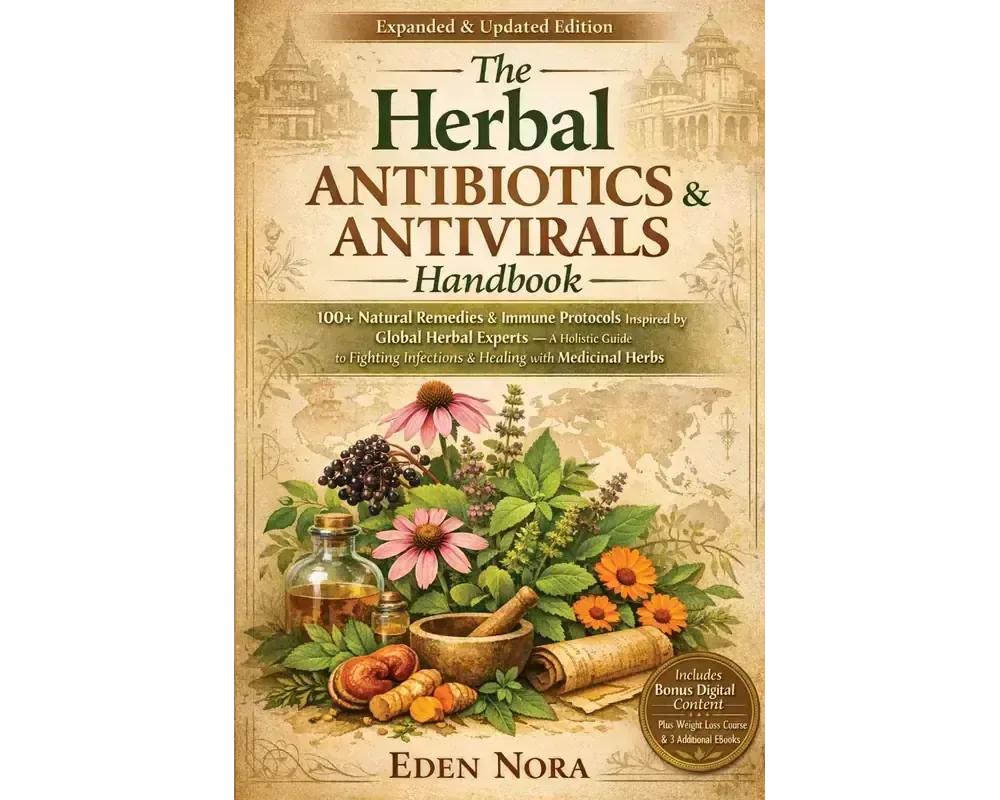
Within herbal medicine, certain plants are known for their antimicrobial properties. These are often referred to as herbal antibiotics.
They do not function exactly like pharmaceutical antibiotics, but they can help inhibit bacterial growth, disrupt microbial structures, and support the body’s defense mechanisms.
Examples include oregano, garlic, and echinacea—each with its own distinct profile, strengths, and use cases.
Understanding how these remedies work is essential if you want to use them effectively rather than simply treating them like “natural replacements” for conventional medicine.
When Herbal Medicine Is Most Useful
Herbal medicine is especially valuable in situations where symptoms are mild or developing, where immune support matters, or where long-term balance is just as important as short-term relief.
- early-stage symptoms
- recurring imbalance
- immune support and resilience
- prevention as well as treatment
It is also often used as part of a broader strategy to maintain health and reduce the likelihood of recurring issues.
Safety and Proper Use
One of the most common misconceptions about herbal medicine is that natural means completely safe. In reality, herbal compounds can be powerful—and must be used with care.
Effective use requires choosing the right herb, understanding dosage, using the correct preparation method, and knowing when not to rely on herbal approaches alone.
That is why structured guidance matters. The goal is not simply to “use herbs,” but to use them intelligently, with context and confidence.
How to Use This Hub
This page is designed to guide you through the topic in the right order.
- Start with the guides to understand the foundations.
- Use the references to learn the key ingredients and concepts.
- Read the comparisons when you want to weigh natural and conventional options.
- Use the question pages when you need direct, practical answers.
- Move to the featured work when you want the complete system in one place.
The Bigger Picture
Herbal medicine is not about rejecting modern healthcare. It is about expanding your options.
When you understand how these systems work—and how to use them responsibly—you gain something most people never have: the ability to make informed decisions based on context, not confusion.