
Do Herbal Antibiotics Work? What Science and Real-World Use Actually Show

Do herbal antibiotics really work—or are they just another natural health myth? Discover what science and real-world use reveal about herbal antibiotics for infection support, immunity, and true healing power.

Melissa Updated March 25, 2026 3 min read
Share this post:
Do herbal antibiotics work
Short answer

What the evidence and real-world use suggest

Yes—herbal antibiotics can work. But not in the same way as conventional antibiotics, and not in every situation.
Their effectiveness depends on:
- the type of infection
- how early they are used
- the specific herb and dosage
- consistency of use
Understanding these factors is what separates results from disappointment.

On this page

Start with the section that matches your intent now, then return to the full article when you want the complete picture.

Why People Doubt Herbal Antibiotics

There are two common reasons:

1. Expecting Instant Results

Modern antibiotics often work quickly and aggressively. Many people expect herbal remedies to behave the same way.

But herbal approaches are often:

  • slower in action
  • more supportive than aggressive
  • dependent on consistent use

2. Incorrect Usage

Many failures come from:

  • using the wrong herb
  • taking too little
  • stopping too early
  • poor quality supplements

When used incorrectly, even effective herbs won’t deliver results.

What the Research Shows

A growing body of research supports the antimicrobial properties of certain herbs.

Examples include:

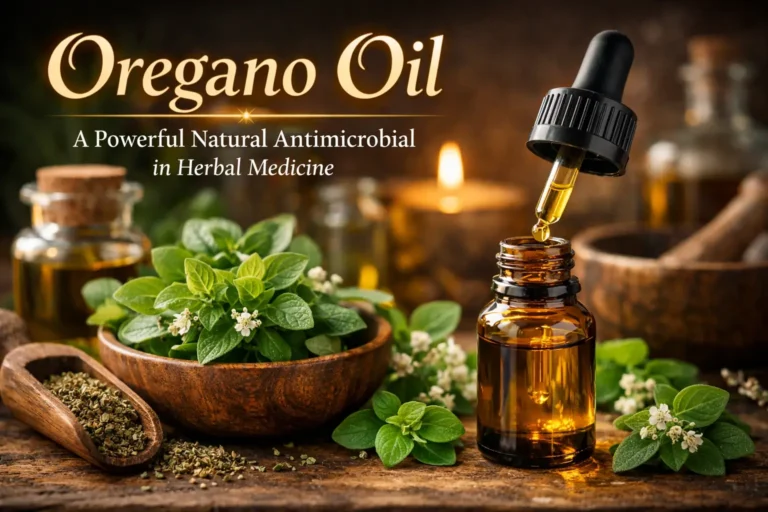
  • oregano oil — shown to have strong antibacterial and antifungal activity
  • garlic — widely studied for its broad-spectrum antimicrobial compounds
  • echinacea — supports immune response and may reduce illness duration

While not all herbs are equally powerful, many demonstrate measurable effects against pathogens.

How Herbal Antibiotics Work in Practice

Rather than acting like a single-target drug, herbal antibiotics often:

  • weaken pathogens
  • support immune response
  • reduce inflammation
  • restore internal balance

This multi-layered approach can be highly effective—especially in early or moderate conditions.

When They Work Best

Herbal antibiotics are most effective when:

  • symptoms are caught early
  • the condition is mild to moderate
  • they are used consistently
  • the right herb is chosen

They can also be useful for:

  • ongoing immune support
  • preventing recurrence
  • maintaining overall health balance

When They May Not Be Enough

There are situations where herbal antibiotics alone are not appropriate:

  • severe infections
  • rapidly worsening symptoms
  • high-risk medical conditions

In these cases, conventional treatment may be necessary.

The Real Advantage of Herbal Antibiotics

The biggest strength of herbal approaches is not just fighting infection.

It’s that they:

  • support the body rather than override it
  • reduce long-term disruption to the microbiome
  • can be used as part of a broader health strategy

This makes them valuable beyond short-term treatment.

The Real Limitation

Herbal antibiotics require:

  • knowledge
  • patience
  • proper application

Without those, results will be inconsistent.

So… Do They Work?

Yes—but only when:

  • used correctly
  • matched to the situation
  • supported by understanding

They are not a miracle solution.

They are a tool—and like any tool, effectiveness depends on how you use it.

If You Want a Clear System

If you’re looking for more than general answers—and want to actually know:

  • which herbs to use
  • how to use them
  • what works in real situations

Then you need a structured approach.

👉 That’s exactly what’s covered in:

Herbal Antibiotics & Antivirals Handbook

It turns scattered information into something you can actually apply.

Final Thought

The question is not just “Do herbal antibiotics work?”

The better question is:

👉 Do you know how to use them properly?

Because that’s where the real results come from.

Find your next best step

Use these two paths when you want the clearest immediate continuation—one for deeper guidance, one for the broader topic map.

Deepen the answer without losing momentum

Build the full picture

When you want broader context around this answer, use these connected pages to expand your understanding across the full cluster.

Build the full picture around this topic

Related questions readers ask next

FAQ

Do herbal antibiotics really work for bacterial or mild-to-moderate infections?

Yes—herbal antibiotics can work for certain infections, especially mild to moderate ones. Scientific studies show that many herbs contain natural antimicrobial compounds that can inhibit bacteria, fungi, and even some viruses. In real-world use, people often report relief when herbs are used correctly and consistently, particularly for respiratory, digestive, and skin-related infections.

What does current scientific research say about herbal antibiotics?+

Research supports the effectiveness of several herbal antibiotics, showing they have antimicrobial, anti-inflammatory, and immune-boosting properties. Unlike conventional antibiotics that target a single mechanism, herbs often work through multiple pathways—making them harder for microbes to resist and more supportive of overall immune health.

Are herbal antibiotics as strong as prescription antibiotics?+

Herbal antibiotics are generally not as fast-acting or aggressive as pharmaceutical antibiotics, but that doesn’t mean they are weak. They work more holistically—slowing microbial growth while strengthening the body’s defenses. For severe infections, conventional antibiotics are often necessary, but herbs can be highly effective as complementary or preventive support.

Can herbal antibiotics replace conventional antibiotics in every case?+

In some minor cases, herbal antibiotics may be used as an alternative, but they should not replace conventional antibiotics for serious or life-threatening infections. The best approach is often integrative—using herbal remedies to support recovery while following medical guidance when needed.

How long do herbal antibiotics usually take to work?+

Herbal antibiotics typically take longer to show results compared to prescription drugs. Some people notice improvement within a few days, while others may need a week or more depending on the condition, dosage, and consistency. Their gradual action is part of their strength, as they support deeper healing rather than just symptom suppression.

Are herbal antibiotics safe, and do they have side effects?+

Most herbal antibiotics are well-tolerated when used properly, but they are not completely risk-free. Some herbs can interact with medications or cause side effects if taken in high doses. It’s important to use them responsibly and consult a healthcare professional, especially if you have existing conditions or are taking other treatments.

Final thought

In the end, the real question isn’t whether herbal antibiotics replace modern medicine—but how they can complement it. When used with knowledge and intention, they offer a grounded, natural way to support the body’s ability to resist, recover, and restore balance in the face of infection.

Explore the full topic
Item added to cart.
0 items - $0.00