
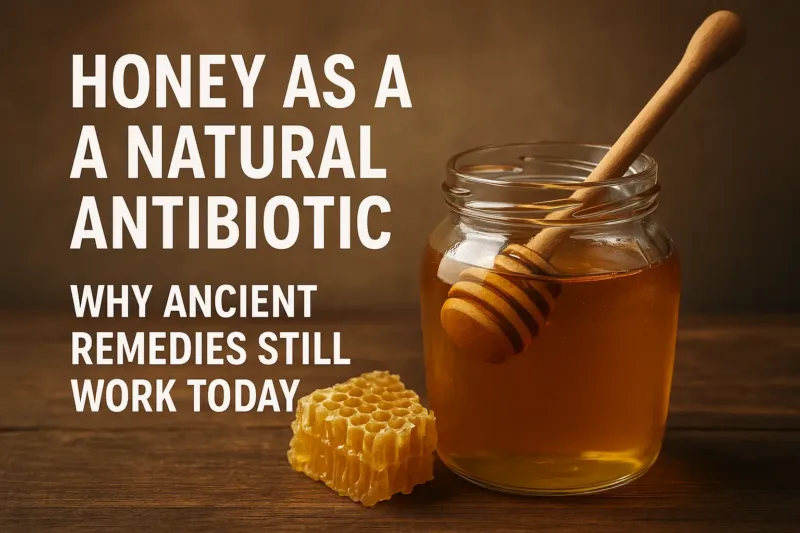
Honey as a Natural Antibiotic: Why Ancient Remedies Still Work Today
A calm, evidence‑informed guide to honey’s antibacterial properties—how it soothes throats, supports clean healing, and where its limits are so you stay safe.
Keep Learning—Listen Free
Short, practical audiobooks for your next step.

Mastering Digital Marketing Through Human Psychology | Full Audiobook
Mastering Digital Marketing Through Human Psychology audiobook teaches digital marketing, digital marketing…

Why Your Brain Says Yes Before You Do | The Psychology of Decision Making (Audiobook)
Why Your Brain Says Yes Before You Do audiobook explores the psychology…

Why People Buy | The Psychology of Digital Marketing
Why People Buy is an in-depth audiobook on the psychology of digital…

The Psychology of Money | Why Smart People Stay Broke
7 Psychological Reasons You Can't Escape Being Broke audiobook reveals the hidden…

How Rich People Think | 10 Mindset Shifts That Build Wealth
Mindset hacks rich people use can completely change the way you think…

7 Human Skills AI Can’t Replace | Stay Indispensable
7 AI-Resistant Skills That Will Make You Indispensable ,7 Skills That Will…

Daily Habits of Successful People | 5 Habits That Build Success
5 daily habits that separate winners from the rest can completely change…

5 Signs He’s Cheating | Red Flags You Shouldn’t Ignore
5 signs a man is cheating can be difficult to recognize until…

How to Overcome Failure | The Growth Mindset That Changes Everything
Learn how to turn failure into growth by changing the way you…
Honey, as a natural antibiotic with antibacterial properties, has fascinated healers for millennia. Long before antibiotics existed, jars of golden honey rested in temples and travelers’ packs—food, medicine, and offering in one. Today, as modern medicine re-examines nature’s pharmacopoeia, honey has quietly stepped back into the spotlight. Instead of serving as a miraculous cure, honey now serves as a gentle ally in everyday healing.
The Ancient Medicine of Honey
Archaeologists have found sealed pots of honey in Egyptian tombs—still preserved after well over three thousand years. The Egyptians used it for wound care; the Greeks called it “nectar of the gods.” Across Asia and Africa, honey mixed with herbs soothed burns, coughs, and stomach ailments. These cultures didn’t know the word “bacterium,” yet they observed that wounds treated with honey healed cleaner and faster.
What they saw was no coincidence. Honey’s low water activity, natural acidity, and trace plant compounds create a terrain hostile to microbial growth. Even in the days of wooden bowls and clay pots, it kept food from spoiling and protected cuts from infection. History, in this case, was performing its own clinical trial—one generation at a time.
How Modern Science Confirms the Power of Honey
When bees transform nectar into honey, enzymes generate hydrogen peroxide, a mild antiseptic. Add to that dense sugars, low pH, and plant-derived polyphenols, and you have a multi-layered defense system. In laboratory studies, these combined factors inhibit the growth of common bacteria such as Staphylococcus aureus and Escherichia coli. The effect is multifactorial: sugars draw moisture out of bacterial cells, enzymes quietly release peroxide, and antioxidants reduce local inflammation so tissue can repair.
Equally important: honey doesn’t drive microbial resistance in the way that overuse of prescription antibiotics can. For home care, that makes it a thoughtful complement—especially for minor issues—while still respecting the role of clinical medicine.
Manuka Honey and the Chemistry of Healing
Among all honeys, manuka honey from New Zealand is notable for a compound called methylglyoxal (MGO), which provides non-peroxide antibacterial action. Labels often display UMF or MGO numbers; these are quality standards indicating verified potency. Medical-grade manuka honey dressings are used in professional settings for specific wound types because they help maintain a moist environment, discourage infection, and support remodeling of tissue.
If you’re buying honey for home use, remember that raw, unheated, and unfiltered varieties retain the most enzymes and antioxidants. Store in glass, away from direct sunlight; never microwave—excess heat damages the very compounds you want to preserve.
Honey for Throat, Cough, and Respiratory Comfort
Few home remedies are as universal as a spoonful of honey for a sore throat. Research suggests that children given honey before bedtime cough less and sleep better than those receiving many over-the-counter syrups. The mechanism appears twofold: viscous coating of mucous membranes plus mild local antimicrobial effects.
For adults, combining honey with warm lemon water, ginger tea, or apple cider vinegar offers additional relief. A simple ratio is 1 teaspoon in a cup of warm (not hot) liquid, sipped slowly several times a day. Let the mixture linger in the throat—this is medicine through contact as much as ingestion. More isn’t better; large amounts can irritate digestion or spike blood sugar. Consistency and moderation win.
Topical Use of Honey as a Natural Antibiotic: Wounds, Burns, and Skin Health
When applied externally, honey creates a moist, protective environment that supports the body’s natural repair. The sugars draw fluid from tissues, reducing swelling; the low pH encourages oxygen release; the enzymes discourage microbes. Medical-grade honey dressings are now part of many formularies for minor burns, surgical wounds, and pressure ulcers.
At home, a thin layer of raw honey may calm simple abrasions, but only when the skin is clean and intact. Never apply honey to deep, punctured, or heavily exuding wounds—these need professional care. For acne or eczema, diluted masks (one part honey to one part warm water or aloe gel) can reduce redness while keeping skin comfortable. Always patch-test first.
The Right and Wrong Ways to Use Honey Medicinally
Honey is powerful precisely because it’s gentle. Used correctly, it can soothe the throat, calm minor inflammation, and support clean healing. Used carelessly, it can feed bacteria or cause unnecessary spikes in blood sugar.
Right ways: small, repeated doses; pairing with warm—not hot—liquids; choosing raw or medical-grade sources; noticing your body’s response. Wrong ways: swallowing half a jar for an infection that requires antibiotics, applying non-sterile honey on open wounds, or giving honey to infants under one year old (risk of botulism).
Buying Guide: How to Choose Honey for Healing
- Raw vs processed: Raw retains enzymes and pollen traces; processed honey is filtered and heated for clarity but loses some properties.
- Manuka ratings: Look for UMF or MGO scores from verified labs; higher numbers signal stronger non-peroxide activity.
- Medical grade: For wound care, use sterile, medical-grade honey products—these are not pantry items.
- Authenticity: Buy from trusted beekeepers or brands with transparent testing to avoid adulteration with syrups.
- Allergies: If sensitized to bee products, consult a professional before use.
Storage, Quality, and How to Use Without Losing Benefits
Keep honey in airtight glass at room temperature. Crystallization is natural; set the jar in a bowl of warm water to reliquefy—never boil or microwave. Add honey to teas after they cool slightly (under 40°C / 104°F) to protect enzymes. A little goes a long way; consider honey to bea functional flavor, not a supplement dose.
Myths, Misuses, and Modern Misunderstandings
You may read that honey “kills all bacteria” or “replaces antibiotics.” Those claims are misleading. Honey can inhibit microbial growth in mild, surface-level contexts; it does not sterilize deep or systemic infections. Another myth is that darker honey is always stronger—color reflects floral source, not potency. Buckwheat honey is darker and antioxidant-rich; clover honey may still show excellent enzyme activity. Finally, crystallization is not spoilage; overheating is the real quality risk.
The Subtle Connection Between Honey and the Immune System
Beyond antimicrobial chemistry, honey influences the body’s terrain. Polyphenols act as mild antioxidants, reducing oxidative stress that can hinder immune function. Trace pollen may help some people feel better during seasonal shifts, though research is mixed. Just as important is the nervous system: sweet taste signals safety, potentially easing nighttime cough via relaxation and parasympathetic activation.
Integrating Honey into a Modern Healing Lifestyle
Healing isn’t only about substances; it’s about rhythm. Use honey to replace refined sugar in small amounts, anchor morning hydration with lemon–honey water, and pair it with ginger or turmeric for anti-inflammatory synergy. Speakers, teachers, and singers can keep a jar nearby—half a teaspoon on the tongue moistens tissues more gently than lozenges. For emotional grounding, blend honey with chamomile or tulsi before bed. Small rituals add up; that’s how traditional medicine sustains modern life.
Safety Considerations and When to Seek Care
- Infants: Never give honey to children under one year (botulism risk).
- Diabetes: Use sparingly and with meals; monitor blood sugar.
- Allergies: Avoid if you react to bee products.
- Medical escalation: High fever, severe pain, shortness of breath, spreading redness, or symptoms lasting beyond a few days require clinical evaluation.
FAQs
Is honey really an antibiotic?
Honey shows antibacterial and antimicrobial effects, particularly raw and medical-grade varieties, but it complements rather than replaces prescribed antibiotics.
What kind of honey is best for healing?
Raw, unfiltered honey retains enzymes; for wound care, use sterilized, medical-grade products. Manuka honey offers verified potency through MGO/UMF ratings.
Can I give honey to a child with a cough?
Yes—if the child is over one year old. Infants under one face a risk of botulism from natural spores in honey.
How does honey fight bacteria?
Low pH and low water activity, slow hydrogen peroxide release, and plant polyphenols discourage microbial growth and calm local inflammation.
Does heating destroy honey’s benefits?
High heat can deactivate enzymes. Add honey after liquids cool slightly and avoid microwaving.
What about blood-sugar concerns?
Honey contains sugars. Use modest amounts with meals; people with diabetes should monitor levels and consult their care team.
Can I use honey on my skin?
Thin layers of raw or medical-grade honey can soothe minor abrasions or acne. Do not apply to deep or infected wounds without guidance.
When should I see a doctor?
Seek medical care for high fever, severe pain, breathing problems, spreading redness, or any symptom that worsens or persists.
Honey connects us to an older rhythm of care—where sweetness was medicine, and healing began with trust in the body’s quiet intelligence. In rediscovering it, we don’t turn away from science; we complete it.
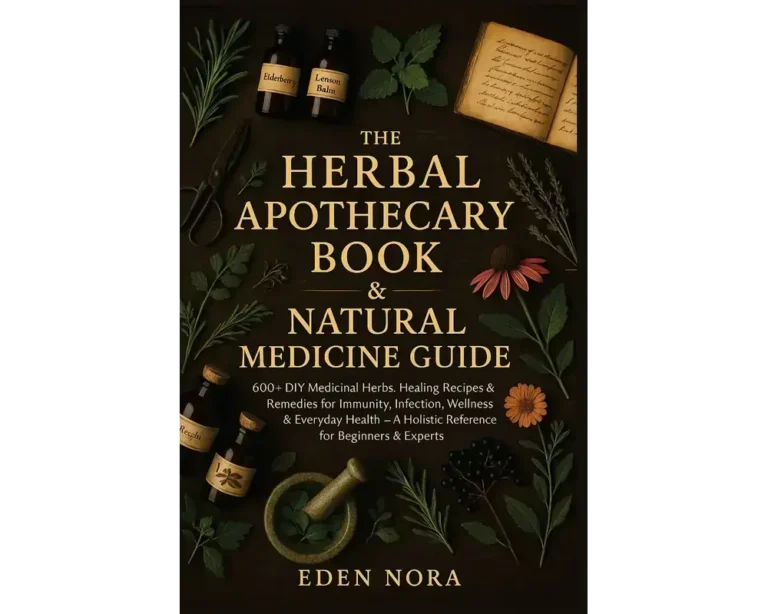
Want the complete system?
Explore the full book for a deeper, structured guide.
The Herbal Apothecary Book & Natural Medicine Guide
Discover a Practical Guide to Herbal Medicine and Natural Wellness Herbal medicine continues to attract readers searching for practical, natural ways to…
View the BookMore in Health & Wellness
View category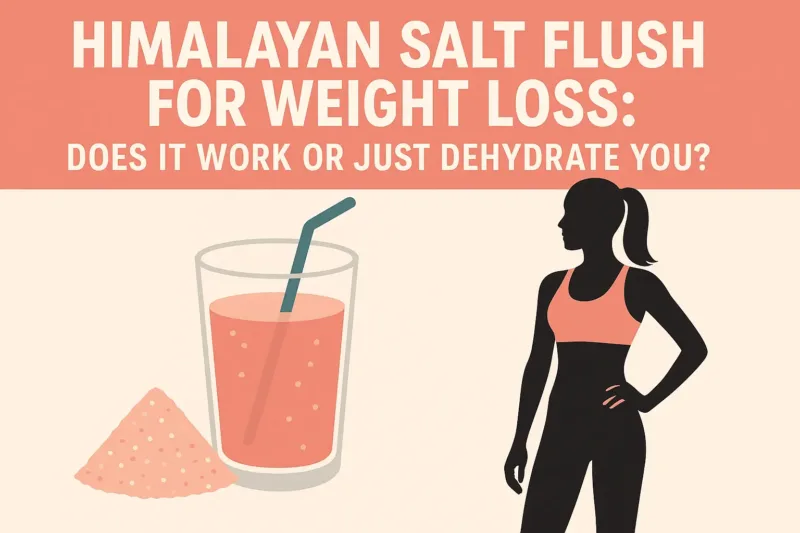
Himalayan Salt Flush for Weight Loss: Does It Work or Just Dehydrate You?
A clear, compassionate guide to the Himalayan salt flush: what it really does, safer alternatives, and how to support weight loss without harming hydration.
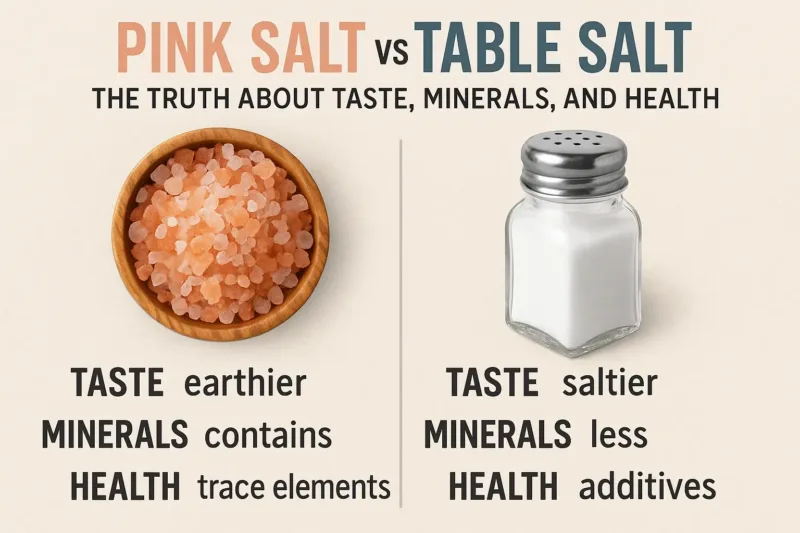
Pink Salt vs Table Salt: The Truth About Taste, Minerals, and Health
Understand the real difference between pink salt and table salt—taste, trace minerals, and how each affects your hydration, cravings, and wellbeing.

Pink Salt Morning Ritual: The Simple Habit That Transforms Your Energy
Learn how a simple pink salt morning ritual can reset hydration, focus, and calm energy—connecting body chemistry with mindfulness.

Keep exploring
Herbal Medicine
See the wider Mayobook topic hub with guides, answers, comparisons, and books.
Explore the topic
Everyday Herbal Remedies for Common Health Issues
Go deeper with a longer structured guide connected to this topic.
View guide
Natural Medicine vs Alternative Medicine
See a decision-stage page that helps readers compare the next best option.
Compare options