
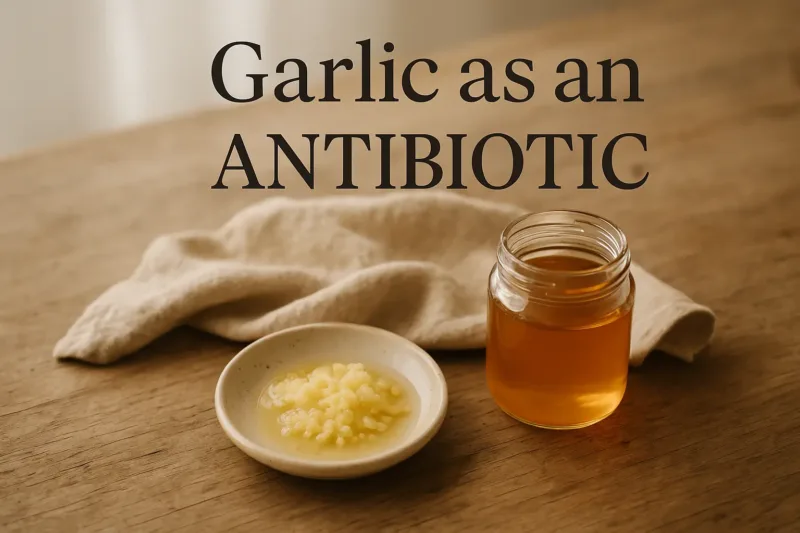
Garlic as an Antibiotic: The Truth, the Myth, and the Gentle Middle Ground
A calm, evidence‑informed guide to using garlic wisely—what truly helps, what to avoid, and how to pair folk wisdom with modern care.
Keep Learning—Listen Free
Short, practical audiobooks for your next step.

Mastering Digital Marketing Through Human Psychology | Full Audiobook
Mastering Digital Marketing Through Human Psychology audiobook teaches digital marketing, digital marketing…

Why Your Brain Says Yes Before You Do | The Psychology of Decision Making (Audiobook)
Why Your Brain Says Yes Before You Do audiobook explores the psychology…

Why People Buy | The Psychology of Digital Marketing
Why People Buy is an in-depth audiobook on the psychology of digital…

The Psychology of Money | Why Smart People Stay Broke
7 Psychological Reasons You Can't Escape Being Broke audiobook reveals the hidden…

How Rich People Think | 10 Mindset Shifts That Build Wealth
Mindset hacks rich people use can completely change the way you think…

7 Human Skills AI Can’t Replace | Stay Indispensable
7 AI-Resistant Skills That Will Make You Indispensable ,7 Skills That Will…

Daily Habits of Successful People | 5 Habits That Build Success
5 daily habits that separate winners from the rest can completely change…

5 Signs He’s Cheating | Red Flags You Shouldn’t Ignore
5 signs a man is cheating can be difficult to recognize until…

How to Overcome Failure | The Growth Mindset That Changes Everything
Learn how to turn failure into growth by changing the way you…
Garlic as an antibiotic touches something ancient in all of us. You may have crushed a clove at the first tickle in your throat or stirred it into soup when you felt run-down. The question is timeless: can a humble kitchen bulb truly help? This guide offers the calm middle ground—what science says, how to use garlic safely, and when home care should give way to professional treatment.
Garlic as an antibiotic: Does it really work?
Long before prescriptions, garlic was medicine. Egyptian laborers ate it for stamina; Hippocrates called it “the medicine in food.” Soldiers disinfected wounds with crushed cloves in wartime when supplies ran thin. Then the antibiotic era began, and daily garlic faded into background flavor. Yet folk wisdom kept the ritual alive, and modern researchers returned with new tools to ask an old question: does garlic truly inhibit pathogens—and how?
The science in simple language: what actually makes garlic powerful
When a clove is crushed or finely chopped, a quiet reaction sparks: the compound alliin meets the enzyme alliinase, producing allicin—a volatile sulfur molecule responsible for garlic’s sharp scent and much of its antimicrobial behavior. In vitro, allicin can disrupt bacterial enzymes and membranes, slowing growth of some gram‑positive and gram‑negative species, and showing activity against certain yeasts and even viruses. In real life, effects depend on freshness, preparation, dose, timing, and where the infection sits.
- Allicin is fragile: heat, time, and stomach acid reduce it. Freshly crushed is stronger than cooked.
- Form matters: raw clove, oil macerate for external preparations, alcohol tincture, or standardized capsules behave differently.
- Context matters: minor, self‑limited issues are one thing; diagnosed infections are another.
How to use garlic safely without overwhelming your body
Not medical advice. If you’re on blood thinners, preparing for surgery, pregnant, or have a sensitive stomach, consult a professional. Stop if you feel burning, nausea, or rash.
A gentle starting protocol
- Crush + rest: Finely chop a fresh clove and let it rest 10 minutes to maximize allicin.
- Mix with a carrier: Stir into raw honey or olive oil to soften the impact on your stomach.
- Take with food: Pair with a meal; avoid empty stomach dosing.
- Short windows: Try once daily for 2–3 days at first signs of a minor issue; reassess.
Kitchen comfort: Mix the rested clove with 1–2 teaspoons raw honey. Sip warm lemon‑ginger tea beside it. Rest, hydrate, and keep meals simple—broths, cooked vegetables, and easy proteins.
What garlic can help with—and where its limits are
Use garlic as a supportive ally for mild, self‑limited concerns: the first whisper of a cold, a scratchy throat, or a general run‑down feeling after stress. Pair with sleep, fluids, saltwater gargles, steam inhalation, and soothing soups.
Do not rely on garlic for conditions that typically require diagnosis and prescription antibiotics: suspected strep throat, UTIs, pneumonia, cellulitis, kidney infections, or any worsening, high‑fever illness. Here, modern medicine is not the enemy—it’s the partner. Garlic belongs in your kitchen, not in place of care you genuinely need.
Raw vs. cooked: finding the balance your body tolerates
Raw, freshly crushed garlic retains the most allicin and, with it, the greatest antimicrobial potential. But not every body tolerates raw garlic well. If you experience burning or reflux, lightly cooked garlic within meals still supports overall wellness without the same bite. Your goal is not to endure discomfort, but to find a sustainable rhythm that respects your body.
Smart combinations: honey, ginger, lemon and more
Garlic pairs well with other gentle allies:
- Honey: known for honey antibacterial properties, soothes throats and supports wound care (medical‑grade for topical use).
- Ginger: warms digestion and eases nausea.
- Lemon: bright vitamin C and a clean flavor note.
- Thyme or oregano: aromatic herbs with traditional antimicrobial reputations; use culinary amounts unless professionally guided.
Common mistakes to avoid with natural antimicrobial agents
- Overdoing raw garlic: more is not better; respect your gut.
- Applying raw garlic to skin: can cause chemical burns; avoid direct application.
- Ingesting essential oils: do not ingest essential oils unless guided by a qualified professional; topical use requires proper dilution.
- Delaying care: if symptoms escalate or persist, do not wait—seek medical attention.
Build a calm home apothecary (and know when to escalate)
Small rituals make a big difference: crushed garlic rested for ten minutes, a spoon of honey, a pot of broth on the stove, quiet evenings, and early bedtime. Pair simple remedies with common‑sense boundaries. If you notice fever, chest pain, shortness of breath, spreading redness, severe pain, or symptoms lasting more than a few days, escalate to professional care. For formulations, doses, and safety charts, see our reference text: The Herbal Antibiotics & Antivirals Handbook. Read the first chapter free here.
FAQs
Can garlic replace prescription antibiotics?
No. Garlic can support comfort for minor issues, but diagnosed bacterial infections require medical evaluation and, when appropriate, antibiotics.
How does garlic fight microbes?
When crushed, garlic forms allicin, which disrupts microbial enzymes and membranes in lab studies, slowing growth of some bacteria and yeasts.
What preparation provides the most benefit?
Freshly crushed garlic rested about 10 minutes retains more allicin. Mix with honey or oil and take with food to reduce irritation.
Is cooked garlic still helpful?
Yes for general wellness, but heat lowers allicin. For short‑term antimicrobial support, raw is stronger if tolerated.
How much raw garlic is safe?
Food‑level amounts, such as one clove daily for a few days, are common. Discontinue if you feel burning, nausea, or rash.
Can I put garlic on my skin or in my ear?
Avoid raw garlic on skin or in ears—it can burn delicate tissue. Use only diluted, professionally guided preparations.
Which natural allies pair well with garlic?
Honey, ginger, lemon, and culinary herbs like thyme or oregano can complement garlic and make it easier to tolerate.
When should I stop home care and see a doctor?
Seek care for high fever, severe pain, shortness of breath, spreading redness, or symptoms lasting more than a few days.
A closing reflection
Health isn’t a contest between ancient remedies and modern medicine—it’s a conversation. Garlic teaches that power can be quiet: a clove crushed at the right moment, a spoon of honey, a decision to rest. Use wisdom, not worry. Let nature help, and let medicine help you when you need it.
Want the complete system?
Explore the full book for a deeper, structured guide.
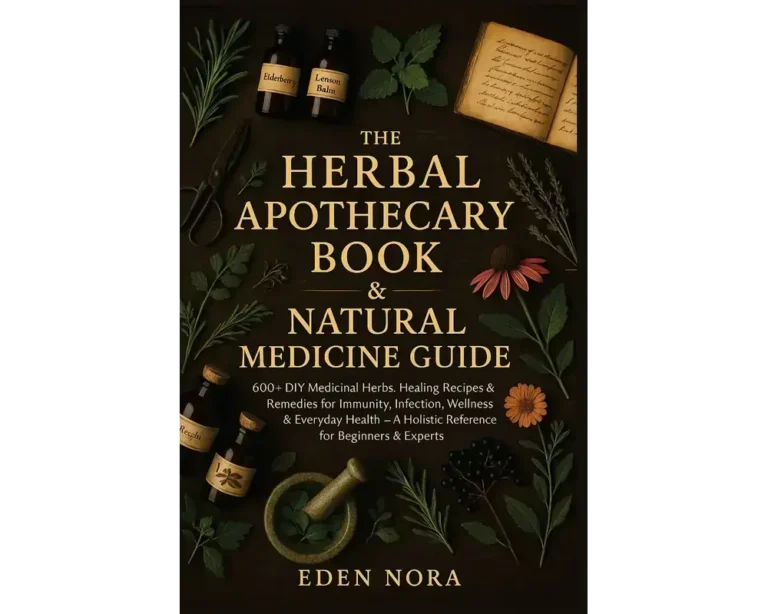
The Herbal Apothecary Book & Natural Medicine Guide
Discover a Practical Guide to Herbal Medicine and Natural Wellness Herbal medicine continues to attract readers searching for practical, natural ways to…
View the BookMore in Health & Wellness
View category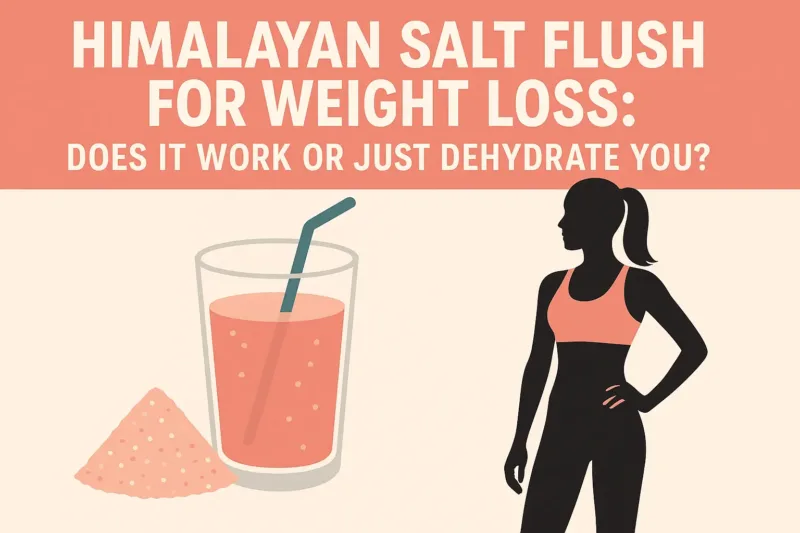
Himalayan Salt Flush for Weight Loss: Does It Work or Just Dehydrate You?
A clear, compassionate guide to the Himalayan salt flush: what it really does, safer alternatives, and how to support weight loss without harming hydration.
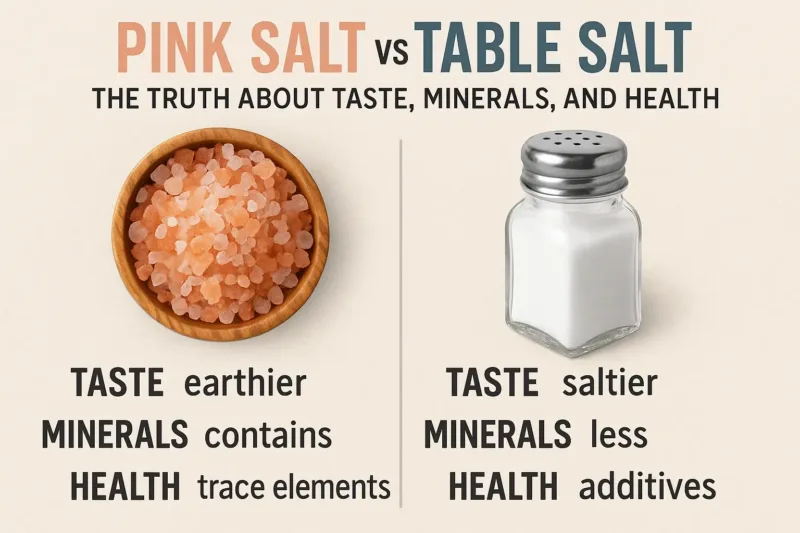
Pink Salt vs Table Salt: The Truth About Taste, Minerals, and Health
Understand the real difference between pink salt and table salt—taste, trace minerals, and how each affects your hydration, cravings, and wellbeing.

Pink Salt Morning Ritual: The Simple Habit That Transforms Your Energy
Learn how a simple pink salt morning ritual can reset hydration, focus, and calm energy—connecting body chemistry with mindfulness.

Keep exploring
Herbal Medicine
See the wider Mayobook topic hub with guides, answers, comparisons, and books.
Explore the topic
Everyday Herbal Remedies for Common Health Issues
Go deeper with a longer structured guide connected to this topic.
View guide
Natural Medicine vs Alternative Medicine
See a decision-stage page that helps readers compare the next best option.
Compare options