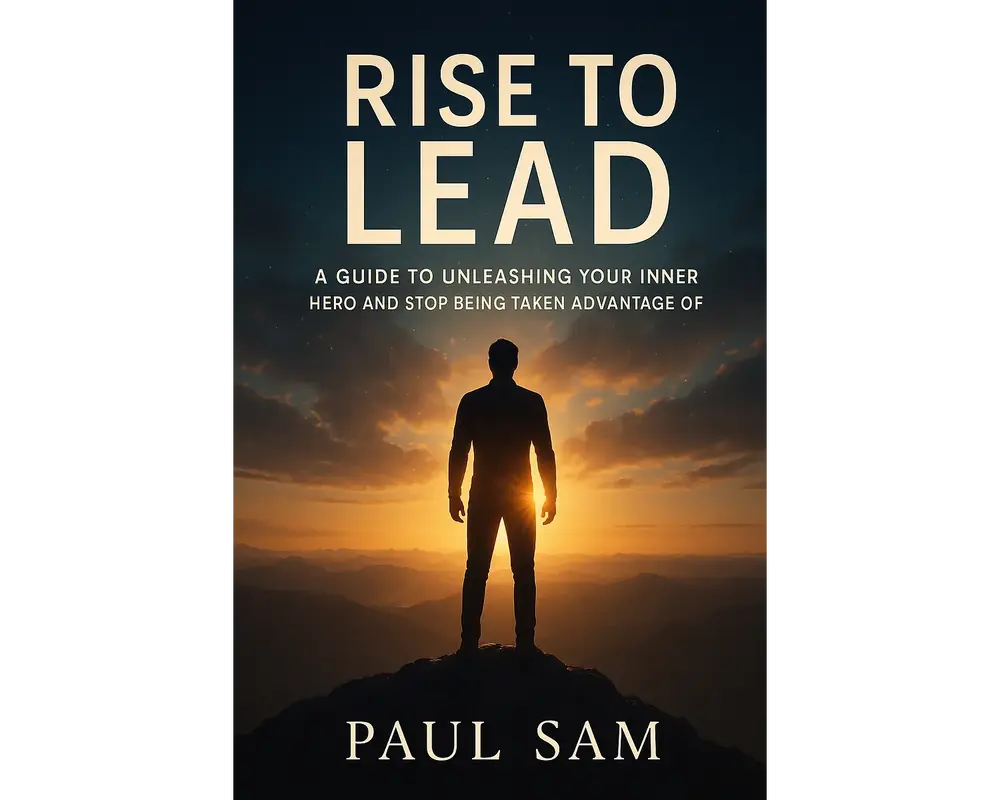
Leadership begins long before anyone gives you a title. It can begin when you express a concern that others would prefer you to keep quiet, take responsibility for a decision you believe in or recognize that your willingness to help does not give someone else the right to decide how you should live.
Rise to Lead is a personal leadership and self-advocacy book for readers who have felt overlooked, pressured or uncertain about their own ability to make decisions. It explores the connection between personal values, assertive communication and the confidence to act with integrity in everyday life.
Recognize the dynamics that undermine your agency
Some experiences of being taken advantage of develop gradually. A colleague repeatedly assumes you will absorb extra work, a friend dismisses your preferences or a familiar expectation leaves little room for your own judgment. The book encourages readers to examine patterns of manipulation, exploitation and deference without assuming that every disagreement is evidence of bad intent.
Recognizing a pattern can help you consider which responsibilities genuinely belong to you and which expectations deserve to be questioned. It can also clarify when a conversation, a boundary or outside support may be appropriate.
Practice self-advocacy in everyday situations
Assertiveness is different from dominating a conversation. The guide explores ways to communicate your views, maintain appropriate limits and make decisions that reflect your priorities. Its approach considers both the discomfort of speaking up and the importance of respecting the needs and rights of others.
These skills have applications beyond formal leadership positions. At work, they can support clearer communication about responsibilities. In personal relationships, they can help you express a preference or raise a concern. In your own life, they can help you move from repeatedly postponing a decision to taking a considered next step.
Develop leadership through responsibility and values
The book invites readers to reflect on what personal leadership means when there is no audience to impress. Rather than equating confidence with authority over other people, it considers the importance of knowing what you stand for, making decisions with care and accepting responsibility for the choices you make.
It also addresses criticism, setbacks and difficult environments as part of the wider process of developing personal agency. Through examples and reflective exercises, readers can explore how their responses to pressure relate to their longer-term goals.
Choose a direction that reflects your own priorities
Developing a stronger sense of agency does not mean that every decision will be easy or every relationship will change. The book encourages readers to consider the habits and commitments that support their intended direction and recognize the importance of continuing to practice after difficult experiences.
This is an educational self-development book, not a substitute for individual mental health, legal or safety support. If you are dealing with coercion, abuse or a dangerous environment, seek appropriate assistance rather than assuming that greater assertiveness alone will resolve the situation.
For readers who want to move beyond the idea that leadership belongs only to managers or public figures, Rise to Lead offers a framework for examining how you communicate, make decisions and participate in the parts of life that matter to you.