
Pink Salt Trick Review: Miracle or Myth
In a world where wellness trends come and go faster than the seasons, discerning between a genuine health boon and a fleeting fad can seem daunting. Enter the pink salt trick review—a supposed miracle worker for a range of health woes that’s captured the attention of wellness enthusiasts worldwide. The allure of this rosy-hued mineral, with its enigmatic origins and promises of rejuvenation, leaves many wondering: is this technique the secret to revitalizing our well-being, or merely another myth spun by clever marketing? This pink salt trick review dives deep into the science and claims behind this ubiquitous seasoning, aiming to separate fact from fiction and help you make an informed choice for your health journey.<br/> <br/>Despite its growing popularity, many remain skeptical about the actual benefits of the pink salt trick. It’s not uncommon to find glowing testimonials singing its praises for everything from improved hydration to better sleep, yet the scientific community often questions the validity of these claims. Our exploration will consider both sides of the argument, weighing anecdotal evidence against rigorous research. Whether you're a seasoned proponent of natural remedies or a curious skeptic, the insights in this review will stimulate your thinking as you navigate the constantly evolving realm of health trends.
Keep Learning—Listen Free
Short, practical audiobooks for your next step.

Mastering Digital Marketing Through Human Psychology | Full Audiobook
Mastering Digital Marketing Through Human Psychology audiobook teaches digital marketing, digital marketing…

Why Your Brain Says Yes Before You Do | The Psychology of Decision Making (Audiobook)
Why Your Brain Says Yes Before You Do audiobook explores the psychology…

Why People Buy | The Psychology of Digital Marketing
Why People Buy is an in-depth audiobook on the psychology of digital…

The Psychology of Money | Why Smart People Stay Broke
7 Psychological Reasons You Can't Escape Being Broke audiobook reveals the hidden…

How Rich People Think | 10 Mindset Shifts That Build Wealth
Mindset hacks rich people use can completely change the way you think…

7 Human Skills AI Can’t Replace | Stay Indispensable
7 AI-Resistant Skills That Will Make You Indispensable ,7 Skills That Will…

Daily Habits of Successful People | 5 Habits That Build Success
5 daily habits that separate winners from the rest can completely change…

5 Signs He’s Cheating | Red Flags You Shouldn’t Ignore
5 signs a man is cheating can be difficult to recognize until…

How to Overcome Failure | The Growth Mindset That Changes Everything
Learn how to turn failure into growth by changing the way you…
In a world where wellness trends come and go faster than the seasons, discerning between a genuine health boon and a fleeting fad can seem daunting. Enter the pink salt trick review—a supposed miracle worker for a range of health woes that’s captured the attention of wellness enthusiasts worldwide. The allure of this rosy-hued mineral, with its enigmatic origins and promises of rejuvenation, leaves many wondering: is this technique the secret to revitalizing our well-being, or merely another myth spun by clever marketing? This pink salt trick review dives deep into the science and claims behind this ubiquitous seasoning, aiming to separate fact from fiction and help you make an informed choice for your health journey.
Despite its growing popularity, many remain skeptical about the actual benefits of the pink salt trick. It’s not uncommon to find glowing testimonials singing its praises for everything from improved hydration to better sleep, yet the scientific community often questions the validity of these claims. Our exploration will consider both sides of the argument, weighing anecdotal evidence against rigorous research. Whether you're a seasoned proponent of natural remedies or a curious skeptic, the insights in this review will stimulate your thinking as you navigate the constantly evolving realm of health trends.
What is the Pink Salt Trick?
The pink salt trick is a wellness ritual that typically involves dissolving a pinch of pink Himalayan salt in warm or room-temperature water and consuming it first thing in the morning. Advocates of this practice claim that it can jumpstart digestion, boost mineral intake, balance electrolytes, and even enhance energy levels throughout the day. Unlike ordinary table salt, pink Himalayan salt is mined from ancient salt deposits in the Himalayan region and is often marketed as containing over 80 trace minerals, including potassium, magnesium, and calcium, that are supposedly beneficial for our health.
Proponents of the pink salt trick review argue that these trace minerals differentiate it from refined sea or table salt, which is typically stripped of impurities and trace elements during processing. They suggest that by simply adding a small amount of pink Himalayan salt to your daily routine, you can tap into these additional nutrients and experience enhanced well-being. However, skeptics point out that the actual quantities of trace minerals in a single serving of salt water are minimal and often fall far below the recommended daily intake. In this section, we unpack the basic concept and origins of the pink salt trick to help you understand what the hype is all about.
Can the Pink Salt Trick Help You Lose Weight?
Weight loss enthusiasts often search for simple add-ons to their routines that promise fast results, and the pink salt trick is no exception. Advocates claim that by improving hydration and balancing electrolytes, the ritual can curb cravings, reduce water retention, and support metabolism, thereby aiding weight management. Some also suggest that the gentle laxative effect of salt water flushes toxins and excess water, leading to a temporary drop in scale numbers. Yet, it’s important to distinguish between true fat loss and short-lived changes in water weight.
From a scientific standpoint, there is scant evidence that the pink salt trick alone can drive significant, long-term fat loss. Sustainable weight management typically requires a combination of calorie control, balanced nutrition, and regular physical activity. While proper hydration and electrolyte balance can help support energy levels and reduce overeating triggered by mild dehydration, attributing sizable weight reduction solely to pink Himalayan salt water is premature. In a thorough pink salt trick review, experts recommend viewing this ritual as a potential complement to, rather than a replacement for, established weight-loss strategies.
Are There Benefits to Pink Salt and Lemon Juice?
Combining pink Himalayan salt with lemon juice has become another popular twist on the basic pink salt trick. Proponents assert that lemon’s vitamin C content and natural acidity work synergistically with the salt’s minerals to enhance digestion, boost immunity, and aid in detoxification. The tangy lemon flavor also makes the routine more palatable for some, encouraging consistency. This variation often enters the realm of “detox” drinks that claim to cleanse the liver, accelerate metabolism, and promote healthier skin.
Despite these enthusiastic claims, research into this specific combination remains limited. Lemon juice does contain antioxidants and citric acid, which can support digestive enzymes, but the quantity of vitamin C in a single lemon may not be enough to produce dramatic changes on its own. Moreover, while trace minerals are present in pink Himalayan salt, they exist in such minute amounts that their impact on overall nutrient status is marginal. Nevertheless, if the ritual motivates you to start the day with a glass of nutrient-boosted water rather than a sugary beverage, there could be indirect health benefits worth noting.
Hydration Benefits: Debunking the Hype
One of the most widely touted advantages of the pink salt trick is improved hydration. The theory goes that the trace minerals in pink Himalayan salt help the body absorb water more efficiently and maintain fluid balance, especially after exercise or in hot climates. Advocates claim that a balanced electrolyte profile can prevent cramps, fatigue, and dizziness, and that a diluted salt solution resembles the body’s natural electrolyte composition.
Scientific scrutiny raises doubts about the extent of these hydration benefits. While electrolytes like sodium and potassium are essential for fluid balance, most people obtain adequate amounts through a balanced diet and routine water intake. The additional minerals in pink Himalayan salt are present in such low concentrations that their effect on electrolyte balance is minimal. Moreover, excessive sodium intake can actually exacerbate dehydration if not paired with adequate water consumption. In a balanced pink salt Trick review, experts often recommend plain water, balanced meals, and, when needed, clinically formulated sports drinks rather than homemade salt-water concoctions.
Pink Salt in Spa Treatments: Beauty Trend or Effective Therapy?
Beyond internal consumption, pink Himalayan salt has found its way into spa treatments like salt scrubs, salt baths, and Himalayan salt lamps. Spa-goers praise salt scrubs for exfoliating dead skin cells and promoting circulation, while salt baths are believed to soothe muscle aches and calm the mind. Lamps made from chunks of pink salt claim to purify air by releasing negative ions, though empirical support for this is limited.

Cosmetically, salt scrubs can deliver noticeable exfoliation and leave the skin feeling soft and smooth, but this is due to the physical action of scrubbing rather than any mystical property of pink salt. Salt baths may provide temporary relief from sore muscles thanks to buoyancy and warm water immersion rather than the salt itself. As for salt lamps, studies have not confirmed significant air-purifying effects or health benefits. While many people find these spa treatments relaxing and enjoyable, labeling them as therapeutic miracles lacks robust scientific backing.
Does Pink Himalayan Salt Draw out Toxins?
A cornerstone claim of the pink salt trick review is that salt water or salt baths can “draw out toxins” from the body. Proponents argue that the salt’s osmotic properties pull impurities through the skin or flush waste via the digestive tract. This notion dovetails with the broader detoxification trend that promises to rid our bodies of pollutants, heavy metals, and other harmful substances.
In reality, the body’s primary detox organs are the liver, kidneys, lungs, and skin. While salt water may support mild digestive movement or promote sweating in a hot bath, it does not actively remove heavy metals or complex toxins. Any toxin removal observed is largely due to standard physiological processes rather than the salt itself. No peer-reviewed studies conclusively demonstrate that pink Himalayan salt has unique detoxifying abilities. If detoxification is the goal, evidence-based approaches include maintaining liver health through balanced nutrition, staying hydrated, and avoiding excessive exposure to environmental toxins.
Is the Pink Salt Trick Safe?
When practiced in moderation, the pink salt trick is generally considered safe for most healthy adults. A pinch of pink Himalayan salt in a glass of water contributes only a small amount of sodium—far less than a typical salty snack. However, individuals with hypertension, kidney disease, or cardiovascular concerns should monitor sodium intake to avoid exacerbating their conditions. Excessive salt consumption can raise blood pressure and place additional strain on the heart and kidneys.
Another safety consideration involves water quality. Using non-potable water can introduce contaminants or pathogens, negating any potential benefits of the salt. Always prepare your pink salt beverage with filtered or boiled water. Pregnant women, breastfeeding mothers, and people taking certain medications should consult a healthcare professional before adopting new dietary rituals. While the pink salt trick poses minimal risk for most, personalized advice ensures you stay within safe limits.
How to Reduce Bloating Naturally with Pink Salt
Bloating often arises from water retention, indigestion, or an imbalance of electrolytes. Proponents of the pink salt trick review suggest that a small amount of Himalayan salt in water can help regulate fluid levels and promote digestive comfort. The ritual is believed to stimulate saliva, gastric juices, and bowel movements, supporting smoother digestion and potentially easing bloating.
To try this method, dissolve roughly 1/4 teaspoon of pink Himalayan salt in an 8-ounce glass of warm water. Drink it about 15–20 minutes before meals to prime your digestive system. Combine this practice with mindful eating—chewing food thoroughly, avoiding carbonated drinks, and reducing high-FODMAP foods if you’re sensitive. Keep in mind that individual responses vary. Some may experience relief, while others notice no difference. Always track your symptoms and adjust accordingly, and consult a medical professional if bloating persists.
Why should you drink Himalayan salt water first thing in the morning?
Many advocates of the pink salt trick recommend consuming a salt-infused glass of water immediately upon waking to “recharge” the body after a night’s fast. The rationale is that the combination of hydration and trace minerals kickstarts metabolism, promotes digestion, and replenishes electrolytes lost through overnight sweating and respiration. Early-morning routines are a cornerstone of numerous wellness trends seeking to optimize daily performance.
Although this ritual can instill a sense of discipline and provide mild hydration benefits, the actual physiological impact is likely modest. The body has been designed to manage electrolyte balance efficiently without external intervention at dawn. That said, if drinking pink salt water motivates you to stay hydrated and begin your day mindfully—perhaps paired with stretching, meditation, or a light breakfast—it can serve as a positive habit. Just remember: consistency, balanced nutrition, and adequate plain water intake matter far more than any single morning tonic.
Is it true that taking pink salt with warm water helps in weight loss?
Beyond general wellness claims, some assert that warm water mixed with pink Himalayan salt can directly influence fat metabolism. The theory is that warm fluid boosts circulation and digestion, while the salt’s minerals support enzymatic reactions critical for breaking down fats. However, these ideas remain largely speculative and unsupported by rigorous research.
Metabolic rate and fat oxidation are regulated by complex hormonal and enzymatic pathways that depend on overall dietary patterns, physical activity, and genetic factors. No credible study has demonstrated that warm salt water alone triggers significant fat loss. If you’re seeking sustainable weight reduction, proven tactics include combining a calorie-controlled diet, strength training, and cardiovascular exercise. Warm salt water may make you feel temporarily energized or less bloated, but it is not a standalone weight-loss solution.
Debunking Common Myths
The pink salt trick has spawned a number of myths, from miraculous detoxification to disease prevention. One prevalent misconception is that pink Himalayan salt is a cure-all because it contains “80+ minerals.” In truth, these trace elements appear in microscopic quantities, offering negligible contribution to your daily nutritional requirements. Another myth suggests that replacing table salt with pink salt automatically improves health; however, both types are primarily sodium chloride and should be consumed mindfully.
Other rumors claim that pink salt can reverse chronic diseases or drastically enhance sleep quality when dissolved in water. While good sleep hygiene and balanced electrolytes are important, there’s no evidence that this specific ritual has direct therapeutic effects on conditions like insomnia or diabetes. Discerning consumers should rely on peer-reviewed studies and expert guidance rather than viral marketing claims. Separating fact from fiction in any pink salt trick review ensures you base your habits on credible information.
Potential Risks and Side Effects
Though usually safe, overdoing the pink salt trick can backfire. Excessive sodium intake may lead to dehydration, elevated blood pressure, and increased strain on the kidneys. Individuals with heart disease, kidney impairment, or salt-sensitive hypertension should be particularly cautious. Additionally, drinking salt water on an empty stomach may cause mild gastric irritation, nausea, or diarrheal effects in sensitive individuals.
Salt used in spa treatments can also pose risks if the water is too hot or if you have open cuts or skin conditions. Prolonged exposure to high-sodium environments may strip natural oils from the skin, leading to dryness or irritation. Always follow recommended dosages, rinse thoroughly after salt baths, and consult your healthcare provider if you experience adverse reactions. Moderation and safety awareness are key to minimizing potential side effects.
Expert Opinions: Insights from Nutritionists and Health Professionals
Registered dietitians and medical professionals generally agree that while trace minerals are essential, the amounts provided by pink Himalayan salt are minimal. Most experts recommend obtaining vitamins and minerals through a balanced diet rich in fruits, vegetables, whole grains, and lean proteins. Dr. Jane Patel, a nutritionist with over a decade of clinical experience, notes that “the allure of the pink salt trick lies in its simplicity, but individuals shouldn’t overlook the importance of overall dietary patterns and lifestyle factors.”
Similarly, nephrologists caution patients with compromised kidney function about uncontrolled sodium intake. “One teaspoon of salt water might seem harmless,” says Dr. Robert Chen, a kidney specialist, “but habitual excess can accelerate renal damage in predisposed individuals.” Fitness trainers also emphasize that plain water and electrolyte-balanced sports drinks are more reliable for intense workouts than homemade salt water. Their consensus: the pink salt trick may be an interesting supplement to healthy habits, but it’s no substitute for comprehensive self-care guided by professional advice.
Conclusion: The Verdict on Pink Salt Trick – Miracle or Myth
After examining the science and claims, the pink salt trick emerges more as a wellness fad than a transformative cure-all. While a pinch of pink Himalayan salt in water may foster better hydration habits and lend a mindful start to your day, its trace minerals are too minimal to yield dramatic health changes. Any relief in digestion or bloating is likely tied to increased fluid intake rather than mystical properties of the salt itself.
Ultimately, incorporating the pink salt trick into your routine won’t hurt most healthy individuals when approached in moderation—but neither will it replace balanced nutrition, regular exercise, and evidence-based medical care. If you find the ritual enjoyable and it encourages you to stay hydrated, it can serve as a harmless complement to comprehensive wellness practices. In the realm of health trends, critical thinking and expert guidance remain your surest path to genuine, lasting benefits.

Want the complete system?
Explore the full book for a deeper, structured guide.
Carnivore Diet Kitchen Cookbook Guide
Discover a Simpler Way to Enjoy the Carnivore Lifestyle Eating a carnivore diet doesn't have to be repetitive, confusing, or time-consuming. Whether…
View the BookMore in Health & Wellness
View category
Himalayan Salt Flush for Weight Loss: Does It Work or Just Dehydrate You?
A clear, compassionate guide to the Himalayan salt flush: what it really does, safer alternatives, and how to support weight loss without harming hydration.
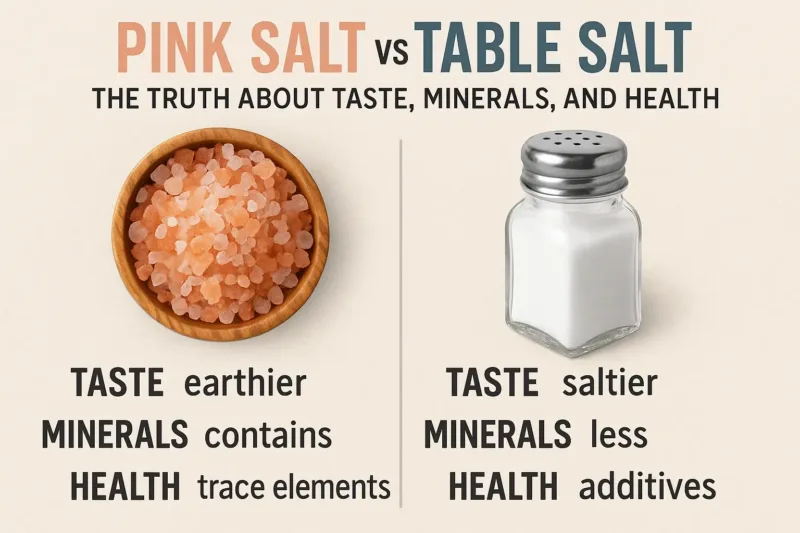
Pink Salt vs Table Salt: The Truth About Taste, Minerals, and Health
Understand the real difference between pink salt and table salt—taste, trace minerals, and how each affects your hydration, cravings, and wellbeing.
Pink Salt Morning Ritual: The Simple Habit That Transforms Your Energy
Learn how a simple pink salt morning ritual can reset hydration, focus, and calm energy—connecting body chemistry with mindfulness.

Keep exploring

Fitness, Weight Loss & Body Transformation
See the wider Mayobook topic hub with guides, answers, comparisons, and books.
Explore the topic
Everyday Herbal Remedies for Common Health Issues
Go deeper with a longer structured guide connected to this topic.
View guide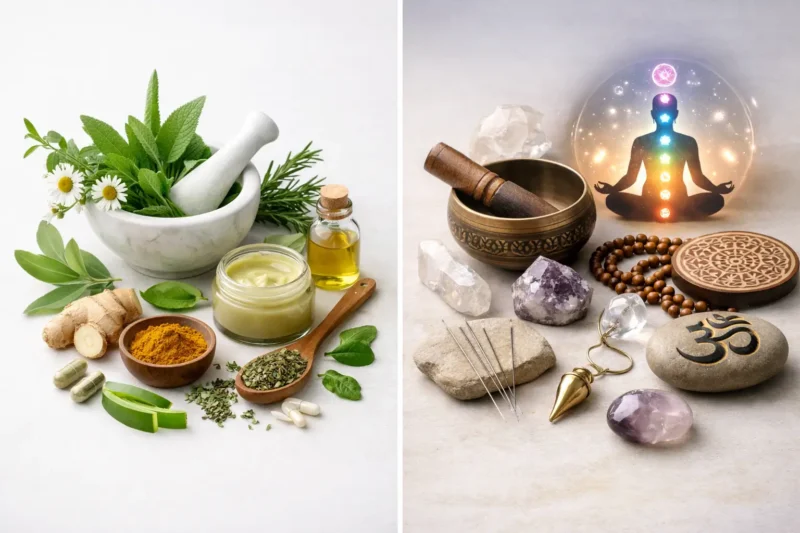
Natural Medicine vs Alternative Medicine
See a decision-stage page that helps readers compare the next best option.
Compare options