
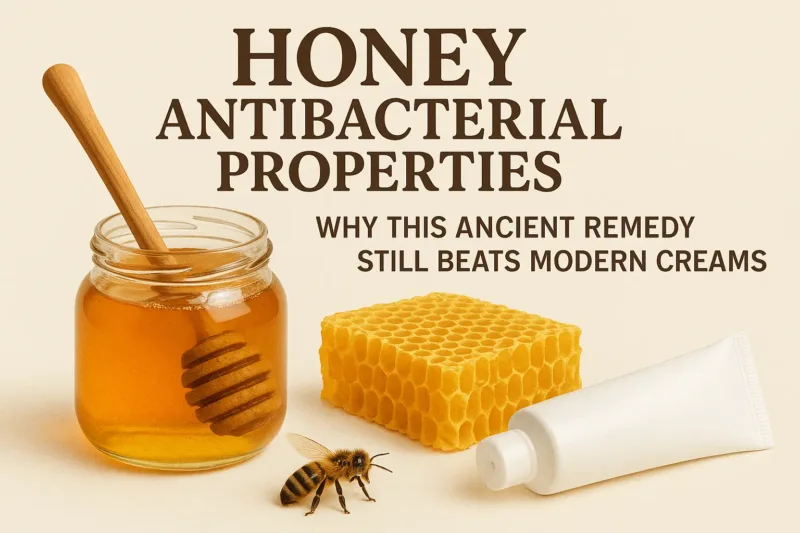
Honey Antibacterial Properties: Why This Ancient Remedy Still Beats Modern Creams
A deep, practical guide to honey’s antibacterial properties: science, safe uses, buying tips, and where modern medicine is still essential.
Keep Learning—Listen Free
Short, practical audiobooks for your next step.

Mastering Digital Marketing Through Human Psychology | Full Audiobook
Mastering Digital Marketing Through Human Psychology audiobook teaches digital marketing, digital marketing…

Why Your Brain Says Yes Before You Do | The Psychology of Decision Making (Audiobook)
Why Your Brain Says Yes Before You Do audiobook explores the psychology…

Why People Buy | The Psychology of Digital Marketing
Why People Buy is an in-depth audiobook on the psychology of digital…

The Psychology of Money | Why Smart People Stay Broke
7 Psychological Reasons You Can't Escape Being Broke audiobook reveals the hidden…

How Rich People Think | 10 Mindset Shifts That Build Wealth
Mindset hacks rich people use can completely change the way you think…

7 Human Skills AI Can’t Replace | Stay Indispensable
7 AI-Resistant Skills That Will Make You Indispensable ,7 Skills That Will…

Daily Habits of Successful People | 5 Habits That Build Success
5 daily habits that separate winners from the rest can completely change…

5 Signs He’s Cheating | Red Flags You Shouldn’t Ignore
5 signs a man is cheating can be difficult to recognize until…

How to Overcome Failure | The Growth Mindset That Changes Everything
Learn how to turn failure into growth by changing the way you…
Honey antibacterial properties have been quietly serving humanity for millennia. Long before antiseptic creams, healers reached for a jar of honey to soothe burns, dress minor wounds, and calm sore throats. Today, hospitals stock medical‑grade honey dressings, and researchers continue to map why this humble food performs so well. This guide blends science with everyday wisdom so you know when honey helps, when it doesn’t, and how to use it safely.
Honey Antibacterial Properties: The Multi‑Layered Science
Honey doesn’t rely on a single “active ingredient.” Its antimicrobial effect is multifactorial—a web of chemistry that makes life difficult for microbes and easier for healing tissues. Key elements include;
(1) low water activity that dehydrates bacteria;
(2) acidity (pH ~3.2–4.5) that slows growth;
(3) enzymatic release of hydrogen peroxide in many raw honeys; and
(4) plant‑based polyphenols that act as antioxidants and subtle antimicrobials.
Together they create a hostile terrain for pathogens while remaining gentle to skin and mucosa.
Unlike single‑target drugs, honey’s layered chemistry makes resistance less likely. Microbes can mutate around one door; they struggle when there are many.
Why Honey Sometimes Outperforms Modern Creams
Conventional antibiotic creams often deliver one or two active compounds. They can be lifesaving—but overuse encourages resistance and may irritate sensitive skin. Honey, especially medical‑grade varieties, keeps wounds moist (supporting tissue repair), draws out excess fluid, and reduces local inflammation. Patients frequently report less odor and easier dressing changes. In clean, superficial wounds and minor burns, honey dressings can be as comfortable as they are effective.
That said, deep, contaminated, or rapidly worsening wounds require urgent clinical care. Honey is a partner, not a panacea.
Manuka vs. Raw Honey: What’s the Difference?
All raw honey carries some antibacterial power. Manuka honey from New Zealand adds another layer through methylglyoxal (MGO), a non‑peroxide activity that remains stable even when enzymes are diluted by wound fluids. That’s why you’ll see UMF or MGO ratings on labels—quality standards that indicate verified potency.
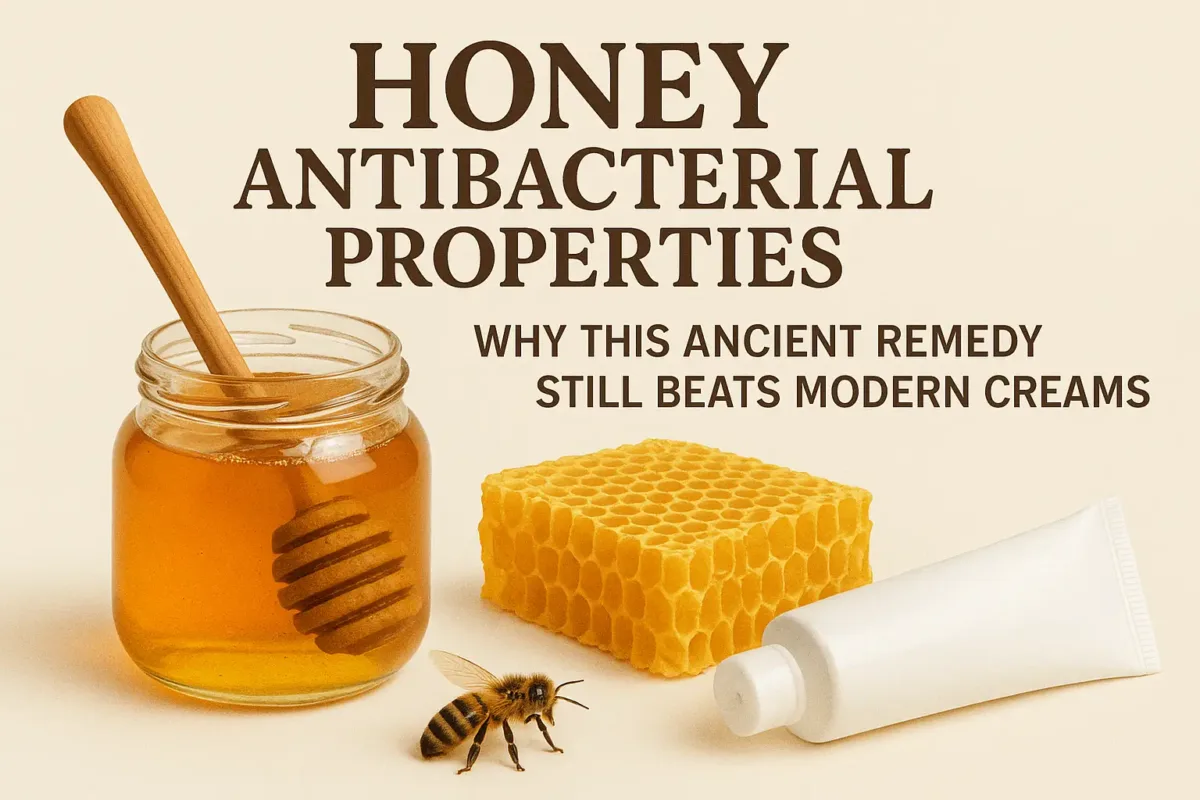
- Raw honey: Enzymes + acidity + osmotic effect. Great for sore throats and gentle topical use on intact skin.
- Medical‑grade manuka: Sterile, standardized MGO. Preferred in clinical settings for dressing minor burns and superficial wounds.
For home first aid, raw honey can be helpful. For dressing open wounds, seek sterilized, medical‑grade products.
Topical Use: From Minor Burns to Acne‑Prone Skin
Applied correctly, honey forms a protective, moist barrier that supports tissue repair. Here’s how to work with it:
- Minor burns/sunburn: Cool the area under running water first. Pat dry, then apply a thin layer of sterile or medical‑grade honey. Cover with a nonstick dressing and change daily.
- Superficial cuts/abrasions: Clean with water, apply a light layer of honey, and bandage. If redness spreads or pain increases, seek care.
- Acne‑prone skin: Use a diluted mask (1:1 honey with warm water or aloe gel) for 10–15 minutes, 2–3 times weekly. Rinse gently.
- Eczema patches: Dab a thin smear on intact skin to calm irritation; discontinue if stinging persists.
Always patch‑test first. Never apply non‑sterile pantry honey to deep, punctured, or heavily exuding wounds.
Respiratory Comfort: Sore Throats and Night Coughs
For throat pain and dry coughs, honey’s viscosity coats irritated tissue, while mild antimicrobial and antioxidant actions reduce local triggers. A simple, effective blend: warm water, lemon, and 1 teaspoon of raw honey—sipped slowly. In studies with children (over one year old only), bedtime honey reduced cough frequency and improved sleep compared with common syrups.
Tip: add honey only after liquids cool slightly. Excess heat can deactivate enzymes that support its antibacterial effect.
Oral and Gut Terrain: Small Touches, Big Effects
Honey appears in traditional oral‑care routines for good reason. Its osmotic effect reduces bacterial adherence, and certain honeys (like manuka) inhibit oral biofilms. A pea‑sized amount on the tongue followed by warm water can freshen breath without alcohol‑based rinses. In the gut, modest honey use may soothe irritated mucosa; however, large amounts can worsen symptoms in those sensitive to FODMAPs. Think flavor‑level use, not spoonfuls-as-supplements.
Buying Guide: Choosing Potent, Honest Honey
- Raw & unheated: Retains enzymes and pollen traces. Cloudiness is a feature, not a flaw.
- Look for UMF/MGO on manuka: These ratings reflect tested non‑peroxide activity.
- Medical‑grade for wounds: Use sterilized, single‑use dressings; pantry honey is for kitchen and intact skin, not open wounds.
- Trust the source: Buy from beekeepers or brands with transparent lab testing. Adulteration with syrups is common in low‑cost imports.
Storage, Quality, and Keeping Benefits Intact
Store in airtight glass at room temperature, away from sunlight. Crystallization is natural—set the jar in a warm water bath to reliquefy. Avoid microwaving. Add to beverages below 40 °C / 104 °F to preserve enzymatic activity. Treat honey like a living food: gentle handling preserves its strength.
Safety Boundaries You Shouldn’t Cross
- No honey for infants under one year: Risk of botulism from natural spores.
- Diabetes: Use sparingly with meals; monitor blood sugar.
- Allergy: If you react to bee products, avoid or consult a professional first.
- Escalate care: High fever, spreading redness, severe pain, or any worsening symptoms merit medical attention.
Myths Worth Retiring
“Honey cures all infections.” No—honey supports the body’s defenses in mild, surface‑level contexts. Serious infections require medical evaluation. “Dark honey is always stronger.” Color reflects floral source, not necessarily potency. “Crystallized honey is spoiled.” It’s fine; warmth will reliquefy it. The real risk is excessive heat that destroys enzymes.
Integrating Honey into a Healing Lifestyle
Healing is a rhythm, not an event. Use small daily rituals: morning lemon‑honey water, raw honey drizzled over yogurt, or a bedtime chamomile‑honey tea. Pair with ginger or turmeric for anti‑inflammatory synergy. Keep a small jar in your travel kit for throat flares and a medical‑grade honey dressing in your home first‑aid box for minor burns. Consistency is where the quiet power lives.
Mini Case Reflections
A teacher with a night cough: A teaspoon of raw buckwheat honey before bed reduced throat tickle enough to sleep through. No side effects, just relief.
A home cook with a kitchen burn: After cooling the skin under water, a medical‑grade honey dressing eased pain and kept the area moist for better healing.
A singer on tour: Warm lemon‑ginger tea with honey between sets soothed irritation without numbing sprays that mask strain.
FAQs
Is honey really an antibiotic?
It has antibacterial and antimicrobial effects, especially raw and medical‑grade manuka honey. Use it as a complementary remedy, not a substitute for prescribed antibiotics.
Which honey is best for infection?
For wounds, choose sterilized medical‑grade manuka or comparable products. For throat and everyday use, raw, unheated honey works well.
Does heat destroy honey’s antibacterial properties?
High heat can deactivate enzymes. Add honey to warm—not hot—liquids and avoid microwaving.
Can I put honey on an open cut?
Use only sterile, medical‑grade products for open wounds. Pantry honey can harbor spores and should be reserved for intact skin or ingestion.
How often can I take honey for a cough?
Adults: 1 teaspoon up to several times daily as needed. Children over one year: small amounts before bed may reduce nighttime cough.
Does manuka honey work better than regular honey?
Manuka’s MGO provides stable non‑peroxide activity, making it useful in dressings. Raw honeys also work well for mild throat and skin support.
Is honey safe for people with diabetes?
Use minimal amounts with meals and monitor glucose. Honey still contains sugars.
What should make me see a doctor?
Spreading redness, severe pain, high fever, breathing issues, or symptoms that persist beyond a few days require clinical care.
In a world of quick fixes, honey reminds us that healing can be simple, steady, and profoundly intelligent—sweetness doing the quiet work of repair.
Want the complete system?
Explore the full book for a deeper, structured guide.
The Herbal Apothecary Book & Natural Medicine Guide
Discover a Practical Guide to Herbal Medicine and Natural Wellness Herbal medicine continues to attract readers searching for practical, natural ways to…
View the BookMore in Health & Wellness
View category
Himalayan Salt Flush for Weight Loss: Does It Work or Just Dehydrate You?
A clear, compassionate guide to the Himalayan salt flush: what it really does, safer alternatives, and how to support weight loss without harming hydration.
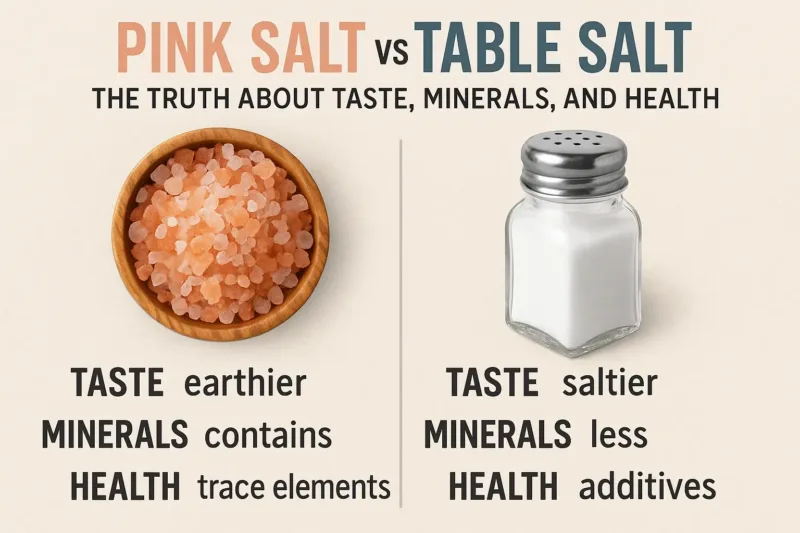
Pink Salt vs Table Salt: The Truth About Taste, Minerals, and Health
Understand the real difference between pink salt and table salt—taste, trace minerals, and how each affects your hydration, cravings, and wellbeing.

Pink Salt Morning Ritual: The Simple Habit That Transforms Your Energy
Learn how a simple pink salt morning ritual can reset hydration, focus, and calm energy—connecting body chemistry with mindfulness.

Keep exploring
Herbal Medicine
See the wider Mayobook topic hub with guides, answers, comparisons, and books.
Explore the topic
Everyday Herbal Remedies for Common Health Issues
Go deeper with a longer structured guide connected to this topic.
View guide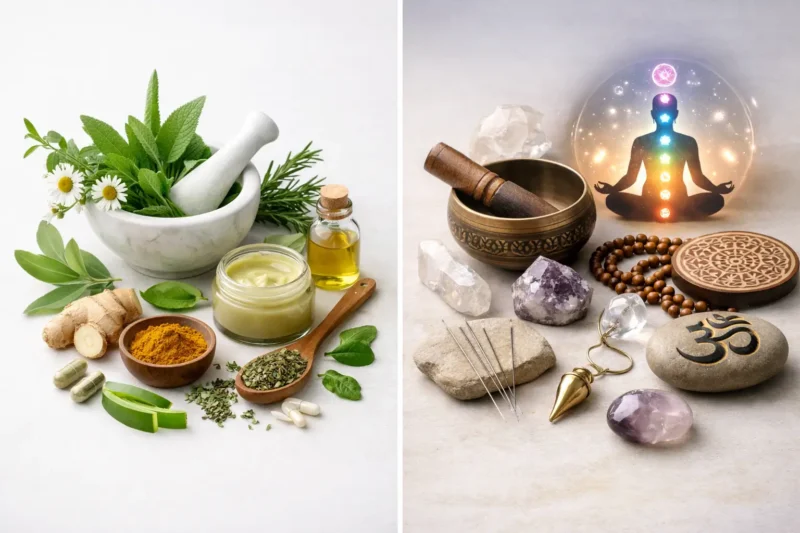
Natural Medicine vs Alternative Medicine
See a decision-stage page that helps readers compare the next best option.
Compare options