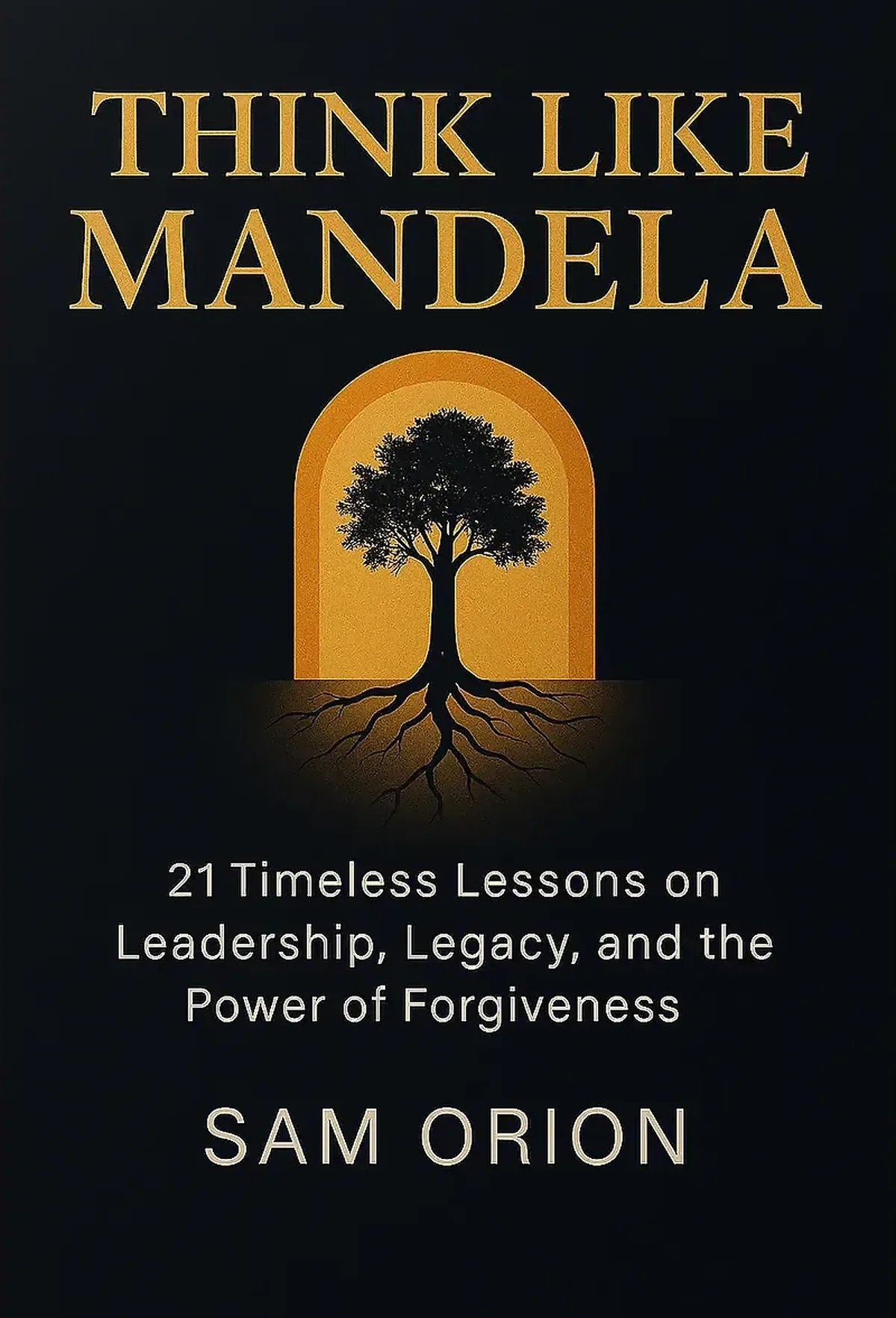
Leadership is tested most severely when the people involved have reasons not to trust one another. Nelson Mandela’s role in South Africa’s struggle against apartheid, his long imprisonment and the negotiations that preceded democratic elections offer a historically significant context for examining courage, accountability and reconciliation. Think Like Mandela presents twenty-one leadership lessons inspired by that life and legacy.
Consider reconciliation without forgetting justice
Mandela’s example invites questions about how leaders respond to conflict without abandoning their principles. Forgiveness need not erase wrongdoing, restore an unsafe relationship or remove accountability. The book considers how patience, dignity and a willingness to engage with others can inform leadership when disagreements are difficult.
Historical context matters. The transition from apartheid was the work of many people and movements, not one individual’s personality. The Nelson Mandela Foundation’s biography provides further historical reading, including his role in the struggle and his shared 1993 Nobel Peace Prize.
Practice service before seeking recognition
The lessons examine trust, responsibility, humility, resilience and the decisions leaders make when immediate praise is unlikely. Readers can consider their own commitments: how they listen to a colleague, how they handle disagreement, how they make room for other people to contribute and whether their actions reflect the values they express.
Think beyond your own tenure
The book’s reflection prompts encourage readers to examine the kind of influence they want to leave behind. Whether working with a team, mentoring someone or serving a community, consider what others may be able to do because of your leadership.
Choose this independent eBook for its twenty-one practical leadership lessons and emphasis on reconciliation, service and legacy. It is not Mandela’s autobiography, a comprehensive political history or a claim of endorsement by Mandela’s estate or foundation.