A crowded calendar can give the impression of progress even when the work that matters most remains unfinished. The challenge is not always finding more hours. It is deciding which commitments deserve your attention, recognizing the habits that fragment it and creating enough room to follow through.
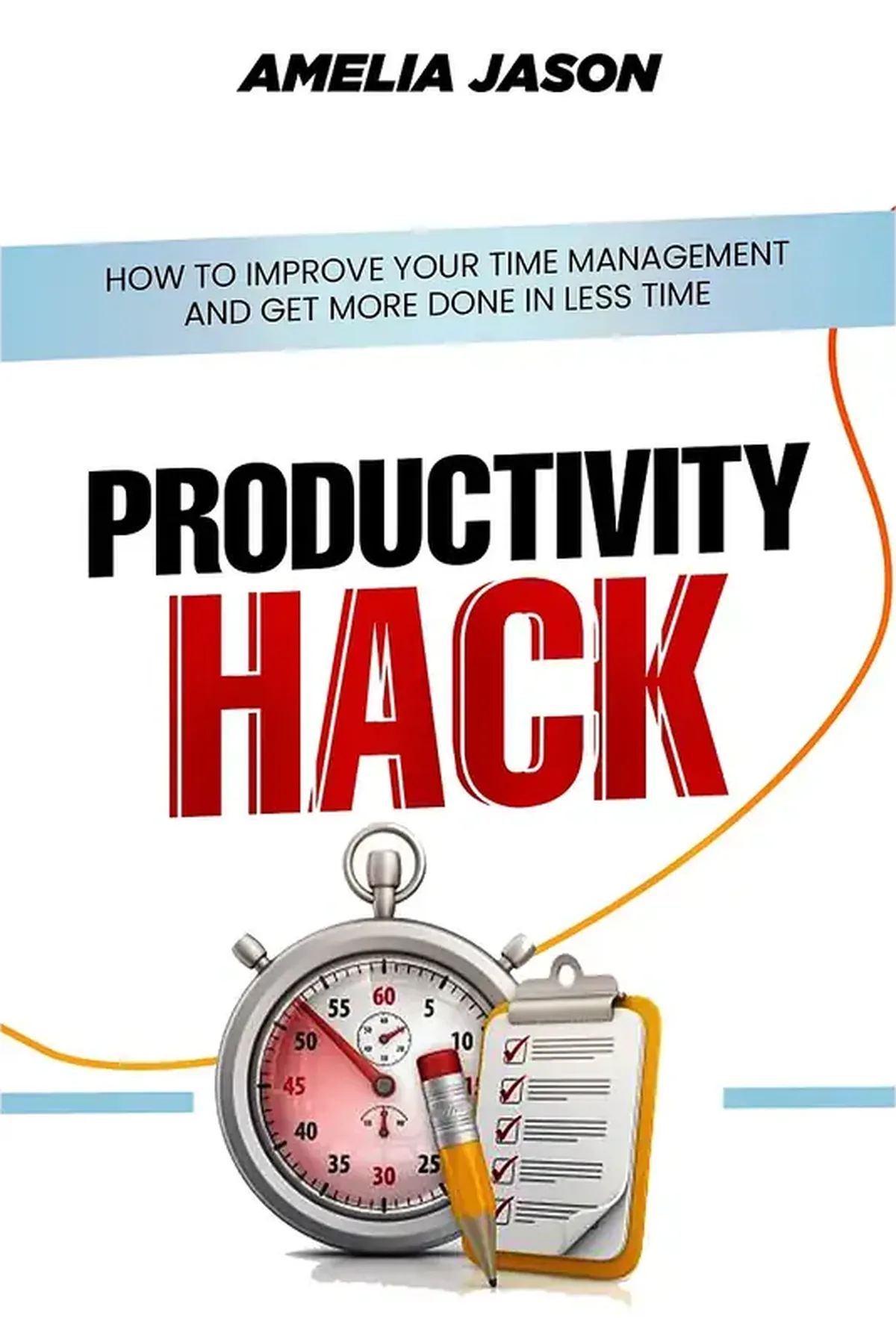
Productivity Hack: How To Improve Your Time Management And Get More Done In Less Time is a practical time management book for people balancing professional responsibilities, creative projects, business ambitions and everyday life. It examines productivity as a combination of priorities, focus, habits and personal capacity rather than a race to fill every available moment.
Discover where your attention goes
Small interruptions can accumulate until a task that should have occupied one part of the day stretches across several. A message, an unplanned conversation or a quick check of another project may seem insignificant on its own. The book explores these recurring time leaks and invites readers to examine the routines that make sustained attention difficult.
Understanding how your day is actually spent can make planning more realistic. It also helps distinguish a problem with personal habits from a workload that simply exceeds the time and energy available.
Give important work a place in your schedule
Not every task has equal consequences. The guide explores prioritization, focused work and the development of routines that allow demanding tasks to receive sustained attention. Readers can consider how to organize their work around meaningful objectives rather than automatically responding to the newest demand.
The book also addresses the emotional dimension of productivity. When a task feels difficult or its purpose has become unclear, adding another reminder may not be enough. Reflecting on the reasons behind a commitment can help you decide whether it deserves a different approach, a smaller starting step or a place further down your list.
Develop habits you can maintain
A routine that works on a quiet Monday may become impractical when meetings, family obligations or unexpected requests arrive. The guide considers how to build momentum while allowing for disruption and rest. Its purpose is not to prescribe a perfect daily schedule, but to help readers think more deliberately about the relationship between their time, priorities and capacity.
For a professional, this may mean protecting time for demanding work. For a creative reader, it may mean making regular space for a personal project. For an entrepreneur, it may involve distinguishing meaningful progress from administrative activity. Each situation calls for a different application of the same underlying principles.
Use productivity to support a life beyond work
Time management becomes more valuable when it creates space for things that are easily displaced by urgent responsibilities. The book explores how daily planning and habits can reflect personal values, including the need for rest and time with people who matter to you.
It is intended as a general personal-development guide, not a guarantee that any particular method will eliminate stress, prevent burnout or increase income. Some pressures require changes to workload, resources or circumstances rather than individual productivity techniques alone.
If you are looking for a book that brings time management, attention and purposeful daily routines into the same conversation, Productivity Hack offers a practical foundation for reviewing how you work and what you want your time to support.