Anxiety can feel exhausting when every thought becomes a warning, every uncertainty feels dangerous, and even ordinary moments begin carrying emotional weight. For many people, anxiety slowly turns into a constant state of inner tension — a cycle of fear, overthinking, emotional control, and self-protection that becomes difficult to escape.
But what if anxiety is not actually the enemy?
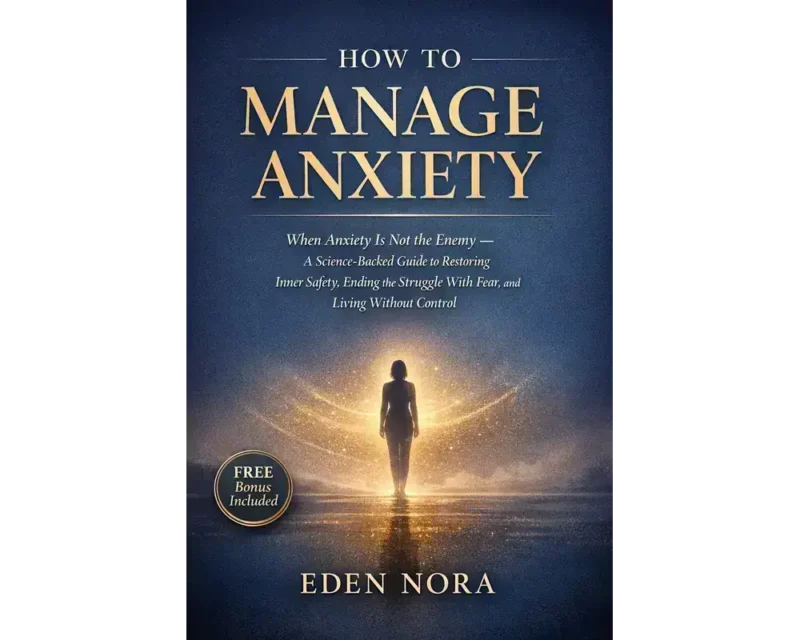
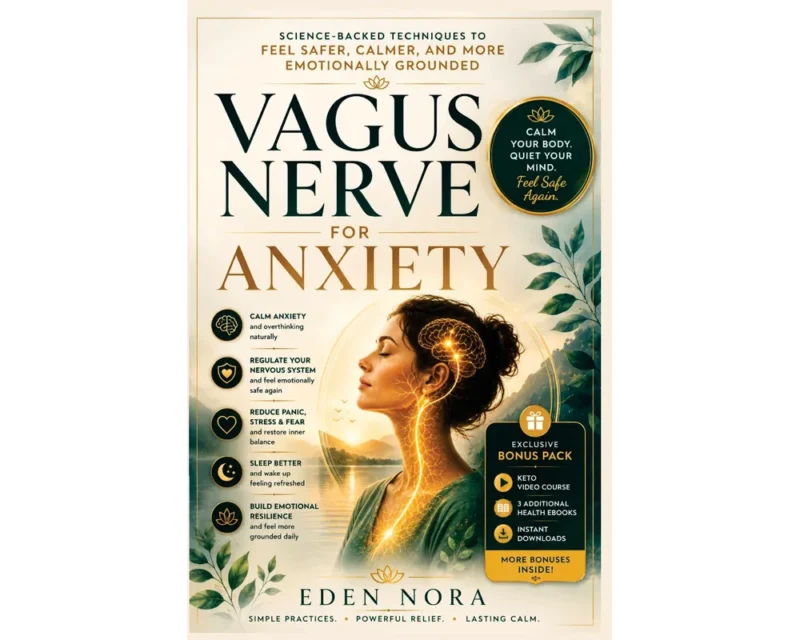
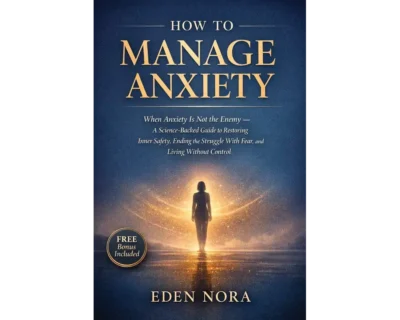
How to Manage Anxiety: When Anxiety Is Not the Enemy offers a different perspective on emotional healing. Instead of teaching readers to suppress fear, shame anxious thoughts, or constantly fight uncomfortable emotions, this book explores the deeper emotional and nervous system patterns that often keep anxiety alive beneath the surface.
Through compassionate guidance and science-backed insight, the book helps readers understand why anxiety develops, how the body responds to perceived danger, and why many common coping strategies unintentionally increase emotional distress over time. Rather than pushing perfection or emotional control, it encourages a healthier relationship with fear, uncertainty, and emotional discomfort.
Readers will discover practical ways to calm anxious reactions, reduce emotional overwhelm, and create a greater sense of internal safety in everyday life. The guidance is designed to feel supportive, clear, and approachable — especially for readers who feel emotionally exhausted from constantly trying to “fix” themselves.
This book explores the connection between anxiety, emotional safety, nervous system regulation, and self-awareness in a way that feels human rather than clinical. Complex psychological ideas are broken down into understandable concepts that readers can apply immediately without feeling overwhelmed by technical language.
Inside, readers will learn why the nervous system sometimes remains stuck in survival mode, how fear-based habits reinforce anxiety patterns, and why emotional avoidance often keeps the cycle going. The book also explains how people can begin rebuilding trust with themselves emotionally instead of constantly reacting from fear and self-protection.
The practical tools included throughout the book are designed to support real-life emotional recovery. Readers will find grounding exercises, calming techniques, emotional regulation practices, and mindset shifts that can help reduce anxious spirals and create more emotional stability over time.
Rather than promising instant perfection, the book focuses on steady emotional healing and sustainable progress. It recognizes that recovery from anxiety is often gradual, personal, and deeply connected to how safe people feel within themselves emotionally.
This approach can be especially helpful for readers who feel trapped in overthinking, emotional exhaustion, chronic worry, or the pressure to control every outcome in order to feel safe. It offers reassurance that healing does not require becoming fearless — it begins with learning how to respond to fear more gently and compassionately.
The book also encourages readers to let go of harsh self-judgment. Many people struggling with anxiety feel frustrated with themselves for being unable to “just relax” or “stop worrying.” This guide reframes anxiety not as weakness, but as a protective response that developed for understandable reasons.
By understanding anxiety more clearly, readers can begin responding to themselves with greater patience, awareness, and emotional care. That shift alone often becomes an important part of long-term healing.
Whether someone experiences occasional anxious overwhelm or has spent years feeling emotionally trapped by fear and uncertainty, this book offers a supportive path toward greater calm, emotional resilience, and inner balance.
For readers searching for a more compassionate, science-informed, and emotionally grounded way to approach anxiety recovery, this guide provides practical support without shame, pressure, or unrealistic promises.