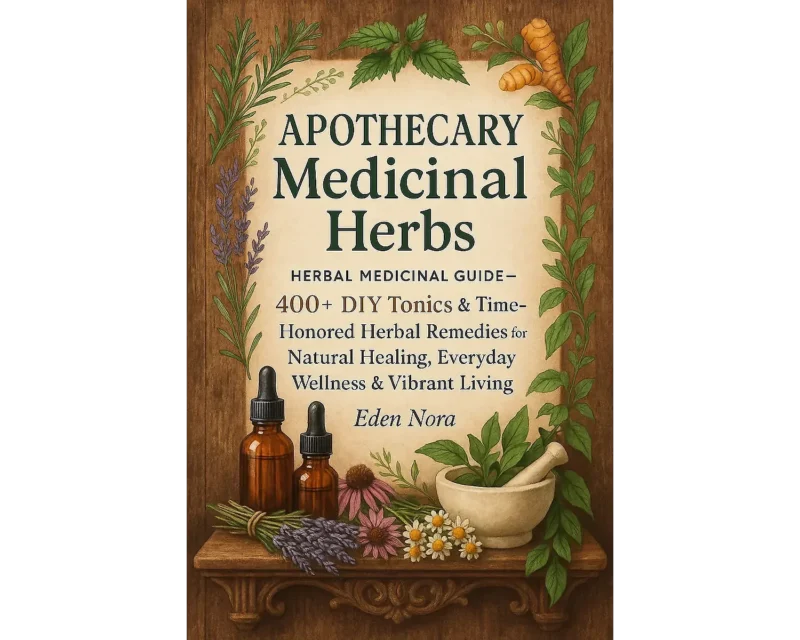
Herbal preparedness has become increasingly important for people who want to build greater confidence, self-reliance, and practical wellness knowledge in everyday life. Whether facing unexpected emergencies, delayed medical access, or simply wanting to understand natural wellness traditions more deeply, many readers are exploring how medicinal herbs have historically been used to support the body during illness, infection, and recovery.
Herbal Antibiotics: A First Response Guide for Infection, Illness, and Injury When Help Is Delayed introduces readers to the practical world of herbal preparedness in a way that feels approachable, grounded, and beginner-friendly. Instead of overwhelming readers with technical language or complicated systems, the book focuses on helping everyday people understand foundational herbal concepts that can support broader preparedness and wellness goals.
One of the most valuable aspects of this guide is its practical approach. Readers are not simply introduced to herbs theoretically. The book explains how medicinal plants have traditionally been used, why certain herbs are associated with immune and infection support, and how readers can begin building familiarity with natural remedies in realistic, manageable ways.
The book also helps simplify a topic that often feels confusing to beginners. Herbal medicine can seem intimidating when readers encounter conflicting advice, complicated terminology, or highly technical discussions. This guide breaks down essential ideas into clear explanations that help readers understand herbal preparations, herbal first aid concepts, and preparedness-focused wellness strategies without feeling overwhelmed.
Readers interested in natural antibiotics often want practical knowledge that feels useful in real life. This book explores herbs commonly discussed in herbal preparedness circles, including those traditionally associated with infection support and natural wellness. It also introduces methods for preparing herbal teas, tinctures, oils, salves, and other foundational preparations many beginners want to understand.
Another strength of the book is its focus on preparedness. Many wellness books focus only on daily health routines, but this guide also considers situations where professional help may be delayed or temporarily unavailable. That preparedness perspective makes the book especially valuable for readers interested in self-reliance, emergency planning, homesteading, outdoor preparedness, and practical household wellness education.
The tone of the book remains balanced and accessible throughout. Readers are encouraged to approach herbal learning responsibly while developing greater confidence in understanding medicinal plants and natural wellness traditions. Instead of fear-based messaging or unrealistic promises, the guide emphasizes education, preparation, and practical understanding.
This book is also highly useful for readers who prefer learning through organized, actionable information. The structure makes it easier to absorb concepts gradually, helping readers move from curiosity to practical understanding without unnecessary complexity. Whether someone is completely new to herbal medicine or already exploring natural wellness, the content is designed to feel approachable and relevant.
Many readers are drawn to herbal preparedness because they want to reduce feelings of helplessness during uncertain situations. Building knowledge about medicinal herbs, natural first aid approaches, and wellness preparedness can provide a greater sense of confidence and readiness. This guide supports that journey by helping readers understand practical herbal concepts that may complement broader wellness and preparedness goals.
For readers interested in emergency preparedness, herbal first aid, medicinal herbs, or natural wellness education, Herbal Antibiotics offers a clear and practical introduction to an increasingly important topic. It is designed to help readers feel more informed, more prepared, and more confident while exploring the world of herbal remedies and natural infection-support traditions.