Mayobook for Authors: Book Discovery, Sales and Royalty Questions
Understand how book discovery, storefront listings and reader pathways work at Mayobook—and which royalty, distribution and data-access terms authors should verify.

Keep Learning—Listen Free
Short, practical audiobooks for your next step.

Imposter Syndrome: Why Success Still Makes You Feel Like a Fraud | Full Audiobook
Imposter syndrome can make real success feel undeserved and every new achievement…

How to Stop Catastrophizing: Break the Worst-Case Thinking Loop | Full Audiobook
Learn how to stop catastrophizing and break the worst-case thinking loop that…

Emotionally Immature Parents: How Their Patterns Shape Your Adult Life | Full Audiobook
Emotionally immature parents can shape adult relationships, boundaries, self-worth and the way…

High-Functioning Anxiety: Why You Look Fine but Never Feel at Peace | Full Audiobook
High-functioning anxiety can make you look calm, capable and successful while constant…
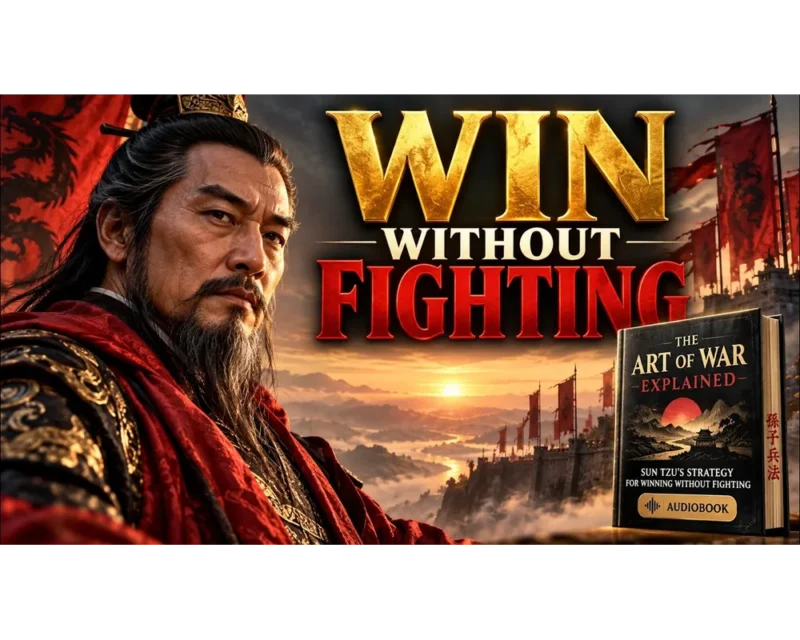
The Art of War Explained: Sun Tzu’s Strategy for Winning Without Fighting | Full Audiobook
The Art of War, Sun Tzu, Art of War explained, strategy, winning…
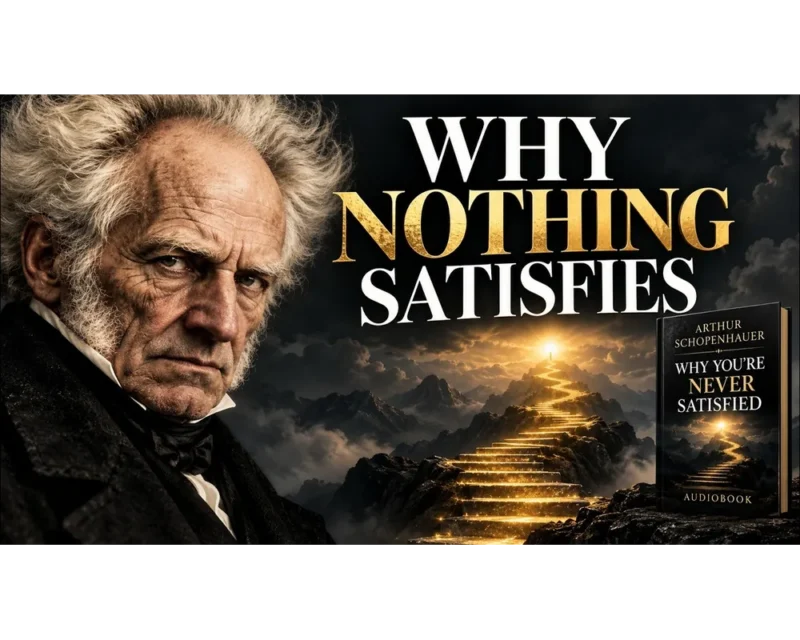
Arthur Schopenhauer: Why You’re Never Satisfied — The Psychology of Desire | Full Audiobook
Arthur Schopenhauer, Schopenhauer philosophy, the psychology of desire, hedonic adaptation, the hedonic…
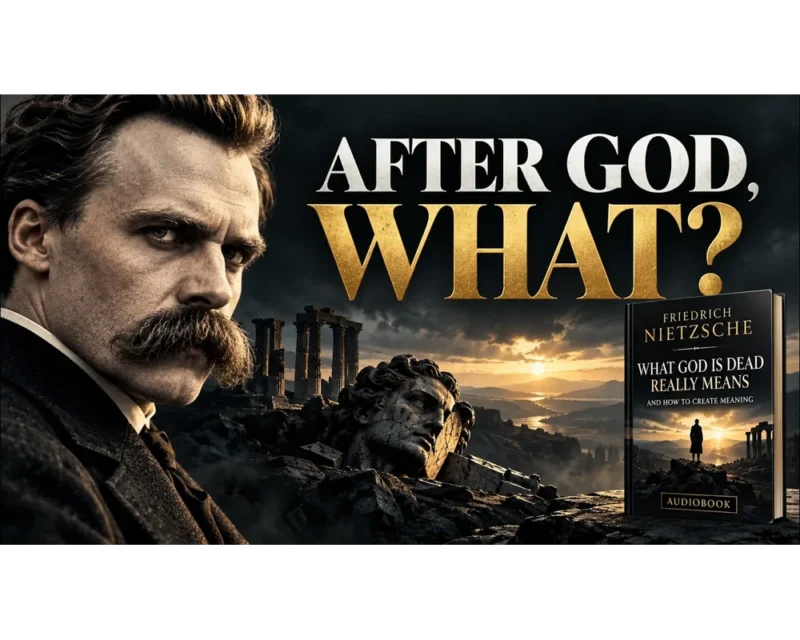
Friedrich Nietzsche: What “God Is Dead” Really Means — And How to Create Meaning | Full Audiobook
Friedrich Nietzsche, “God is dead,” Nietzsche philosophy, nihilism, existentialism, the meaning of…

High Agency: How to Become the Person Who Always Finds a Way | Full Audiobook
High agency is the psychology of becoming resourceful, taking initiative, and creating…

How to Find Your Purpose When You Feel Lost: Build a Life That Actually Means Something
Learn how to find your purpose when you feel lost, discover what…
Independent authors need more than a place where a book can be purchased. They need accurate edition information, a clear picture of their audience, discoverability beyond a single social-media post, and a realistic understanding of what each sale actually earns. Mayobook is a reader-first bookstore with book listings and educational topic paths. For an author whose title is available in its catalogue, that discovery environment can help readers understand what a book is for before deciding whether to buy it.
But there is an important line between what an online bookstore visibly provides and what a publishing or author-services contract might promise. A catalogue listing does not automatically confer an independent storefront, full ownership of buyer data, a particular royalty percentage or worldwide print distribution. Those arrangements, if offered, require confirmed written terms. Authors should evaluate them carefully instead of relying on broad promotional statements.
What a bookstore listing can do for an author
A strong product page tells readers what they are buying. The title, author attribution, edition, format, description, table of contents, preview availability and buying options should be clear. For some books, readers want a digital copy they can use immediately; others prefer a physical edition they can mark up or give away. Showing editions coherently can reduce confusion and make comparisons easier.
Mayobook also publishes Articles, Guides, Questions and Topic hubs that help readers explore a subject before choosing a book. This approach matters because a reader searching for a practical answer may not know which title to consider. Relevant editorial resources can help people progress from a problem to a useful explanation and then, where appropriate, to a book that genuinely fits their needs.
Discovery is not the same thing as guaranteed sales
A visible bookstore page is one part of distribution, not a promise of traffic or sales. A useful author marketing plan considers search demand, positioning, clear descriptions, representative previews, edition quality, pricing and the accuracy of links from relevant educational content. The goal is to help a person make a well-informed choice—not to flood every page with forced product mentions.
An author writing about a focused area can also build a coherent reading path through related educational material. Mayobook’s Money, Business & Personal Growth topic is one example of a wider knowledge area where publishing, work and personal-development questions can connect to relevant reading. Topic membership alone does not make a link useful; the destination should directly help the reader understand the subject.
How to calculate what you actually earn from a book
When evaluating any sales channel, ask for the full calculation—not just a headline royalty. Net earnings depend on the sale price, marketplace or retailer discount, printing cost, payment processing, distribution fees, taxes, currency conversion, refunds and any contracted author share. Digital and physical editions may follow very different economics.
Consider a hypothetical $20 print-book sale. If a retailer or distributor takes a percentage and the printer charges a per-copy amount, the remaining sum is smaller than the list price. From that amount, an author’s contractual royalty or margin may still need to be calculated. The precise numbers vary by channel and deal; an unsupported promise that everyone “keeps 85%” cannot be treated as a universal fact.
Ask for a written statement showing the royalty basis (list price, net receipts or net profit), reporting schedule, refund handling, termination terms, territorial rights and who sets the book’s sale price. If an arrangement concerns a Mayobook-listed title, its actual commercial agreement—not an old general-interest article—should govern.
Formats and fulfilment are separate decisions
A paperback, ebook, hardcover and audiobook are distinct editions with different production costs, accessibility features and distribution routes. Print-on-demand can reduce the need to hold inventory but does not eliminate printing or shipping expenses. Ebook delivery removes physical shipping yet depends on file quality, device compatibility and the applicable seller’s technical process.
An author assessing a distribution relationship should confirm exactly which countries, editions and sales channels are supported. “Global” may mean a distributor accepts orders from many territories, not that every address, title or format can be delivered everywhere. Shipping times, taxes, import charges and territorial rights deserve separate verification.
What author visibility should include
Readers need reliable attribution and context. An author biography should describe relevant experience without inflating credentials. Book copy should explain who the title is designed for, what the reader can reasonably expect, and what the work does not cover. Reviews should reflect genuine reader experiences; invented testimonials and guaranteed outcomes are not credible ways to build trust.
A publisher or bookstore may have mechanisms for author pages, book previews, ratings or topic-led discovery, but specific features should be checked on the live listing. Do not assume that every author automatically receives an editable website, email marketing integration, list of customers or ability to export contact details. Such access can depend on contracts, consent and privacy rules.
Customer data and consent require care
Selling a book does not automatically entitle an author to a purchaser’s personal information. Names, addresses, payment details and email marketing permissions are handled under privacy policies, payment arrangements and applicable law. A reader who buys a book has not necessarily consented to promotional email from its author.
Authors considering direct-to-reader relationships should build their own permission-based newsletter or community and clearly tell people what messages they will receive. An honest email signup can be more valuable than a large list of contacts that nobody agreed to share.
Questions to ask before working with any publishing or sales platform
- What services are actually included? Separate product listings, publishing, editing, distribution, fulfilment and marketing rather than treating them as a single package.
- Who owns the intellectual property? Request explicit terms covering copyright, editions, territories, formats and the ability to leave the arrangement.
- How is the author paid? Review net receipts, discounts, printing costs, processing, returns and any minimum payment thresholds.
- What is the distribution scope? Confirm supported formats, shipping destinations, availability and who handles customer support.
- What information can the author access? Distinguish sales summaries from individual customer data; check consent and privacy rules.
- How are changes managed? Ask who controls descriptions, pricing, edition corrections, author details and book files.
- What claims can be substantiated? Testimonials, sales numbers, “higher royalties” and performance guarantees deserve written evidence.
Building a lasting publishing strategy
A durable author business rarely rests on a single platform. It grows from work that meets a real reader need, good editing and design, truthful descriptions, a manageable distribution plan and ongoing relationships built with consent. A reader-first bookstore can play a useful role, but it should complement—not replace—an author’s understanding of contracts, costs and audience.
If you are comparing routes to market, write down the responsibilities of the author, publisher, retailer and distributor for each edition. Test the purchase experience, make sure the correct files and descriptions appear, and check how customer questions and refunds are handled. Good operations tend to build more trust than extravagant promises about effortless reach.
The bottom line
Mayobook helps readers discover and evaluate books through its catalogue and related educational content. For an author, that visibility can be worthwhile when the book is relevant and its information is accurate. But royalties, author storefronts, data access and distribution rights should never be assumed from generic marketing copy. Verify the actual services and written terms before committing a title or planning your income around them.
This is an educational overview of author discovery and distribution considerations, not a statement of universal Mayobook author terms or a binding commercial offer.