
Can Pink Salt Boost Your Metabolism? What Evidence Shows
Does Himalayan pink salt speed up metabolism? Examine sodium, trace minerals, hydration, water-weight changes and the limits of claims about fat loss.
Keep Learning—Listen Free
Short, practical audiobooks for your next step.

Imposter Syndrome: Why Success Still Makes You Feel Like a Fraud | Full Audiobook
Imposter syndrome can make real success feel undeserved and every new achievement…

How to Stop Catastrophizing: Break the Worst-Case Thinking Loop | Full Audiobook
Learn how to stop catastrophizing and break the worst-case thinking loop that…

Emotionally Immature Parents: How Their Patterns Shape Your Adult Life | Full Audiobook
Emotionally immature parents can shape adult relationships, boundaries, self-worth and the way…

High-Functioning Anxiety: Why You Look Fine but Never Feel at Peace | Full Audiobook
High-functioning anxiety can make you look calm, capable and successful while constant…

The Art of War Explained: Sun Tzu’s Strategy for Winning Without Fighting | Full Audiobook
The Art of War, Sun Tzu, Art of War explained, strategy, winning…

Arthur Schopenhauer: Why You’re Never Satisfied — The Psychology of Desire | Full Audiobook
Arthur Schopenhauer, Schopenhauer philosophy, the psychology of desire, hedonic adaptation, the hedonic…

Friedrich Nietzsche: What “God Is Dead” Really Means — And How to Create Meaning | Full Audiobook
Friedrich Nietzsche, “God is dead,” Nietzsche philosophy, nihilism, existentialism, the meaning of…

High Agency: How to Become the Person Who Always Finds a Way | Full Audiobook
High agency is the psychology of becoming resourceful, taking initiative, and creating…

How to Find Your Purpose When You Feel Lost: Build a Life That Actually Means Something
Learn how to find your purpose when you feel lost, discover what…
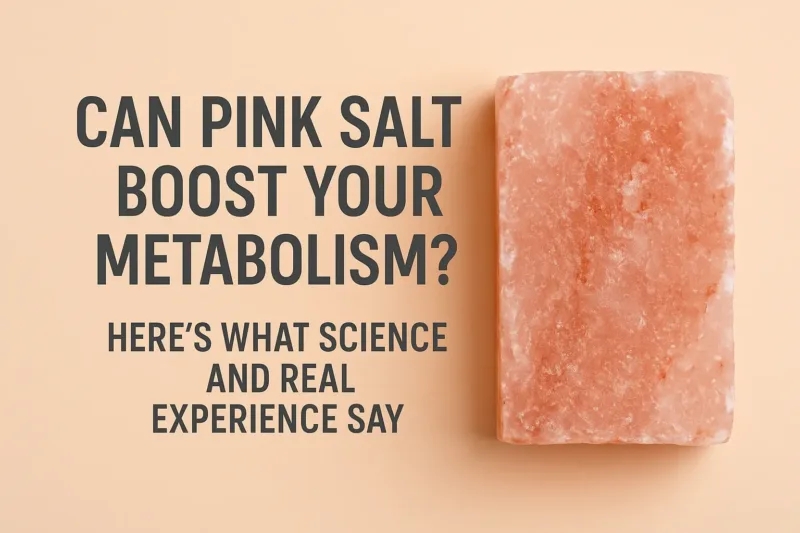
Pink Himalayan salt is frequently described online as a way to “wake up” metabolism. The claim sounds plausible because sodium is an electrolyte and the body needs minerals to function. But a nutrient being essential does not mean taking extra amounts makes a healthy system operate faster.
The short answer is that there is no reliable clinical evidence that eating or drinking pink salt raises metabolic rate or causes body-fat loss. The salt is mainly sodium chloride, like other culinary salts. Its small quantities of additional minerals do not turn it into a metabolic treatment. Understanding why the claim persists is more useful than chasing another morning drink.
What does metabolism mean?
Metabolism refers to the chemical processes through which the body uses and stores energy. Your resting energy needs depend on factors such as body size, composition, age, and health. Digestion, physical activity, and ordinary daily movement contribute to overall energy expenditure. A feeling of alertness after drinking something is not a measurement of metabolic rate.
Research that demonstrates a metabolic effect would need to measure relevant outcomes in people, ideally in controlled trials. Testimonials, changes in body weight over a few days, and statements about trace minerals are not enough to show that pink salt increases energy expenditure.
What minerals are in Himalayan pink salt?
Pink salt is sodium chloride with trace amounts of other minerals that contribute to its colour and flavour. Sodium and chloride have genuine physiological roles, including regulating fluid balance and supporting nerve and muscle activity. That does not establish an advantage over ordinary salt for people already meeting their needs.
Some promotions emphasize potassium, magnesium, and calcium in pink salt, yet their quantities in a normal serving are typically too small to supply meaningful amounts of these nutrients. Vegetables, legumes, dairy foods or fortified alternatives, nuts, and other foods are more practical dietary sources. A colourful label should not be confused with substantial nutritional value.
Could salt water help someone who is dehydrated?
Adequate hydration supports normal bodily function. Most people drinking water during an ordinary day do not need to add salt to it. Sodium replacement becomes relevant in particular circumstances, such as prolonged vigorous exercise with heavy sweating, but requirements vary. A DIY salted drink is not automatically safer or better than water and a normal diet.
If someone feels tired or lightheaded, the cause is not necessarily low electrolytes. Persistent symptoms deserve medical assessment rather than assumptions about a “slow metabolism.” Conditions that affect blood pressure, kidneys, or fluid regulation can make excess sodium harmful.
Why pink salt does not burn belly fat
Fat loss is not determined by the colour or origin of a seasoning. Claims that pink salt balances cortisol, activates the thyroid, increases calorie burning, or targets abdominal fat have not been demonstrated for ordinary salt-water rituals. Short-term changes in scale weight can reflect hydration and sodium-related water retention rather than a reduction in fat tissue.
For a broader look at the trend, our pink salt trick review separates popular promises from what evidence supports. Our pink salt tricks guide looks specifically at daily routines, flushes, and safety. This article focuses narrowly on the metabolism claim.
Is pink salt healthier than ordinary table salt?
For sodium intake, the two are more similar than different. Both should be used sparingly when dietary sodium is already high. Regular iodized table salt may provide iodine, while specialty pink salt is often not iodized; check the packaging rather than assuming a source of iodine. The health significance of salt depends more on total sodium and dietary context than on its colour.
For that comparison, see our pink salt versus regular salt article. If you choose pink salt for its flavour or texture, treat it as an ingredient, not a medicine.
What does established sodium guidance say?
The World Health Organization recommends that adults consume less than 2,000 milligrams of sodium per day—roughly the amount in less than 5 grams of salt from all sources combined. Most diets include sodium in packaged foods, sauces, breads, and restaurant meals; adding salt to drinks can increase intake without a demonstrated metabolic benefit.
People with high blood pressure, heart or kidney disease, fluid-retention concerns, or instructions to limit sodium should not begin a salt-water routine without personalized clinical guidance. Individuals who truly need electrolyte replacement may require a specific formulation and medical advice rather than a social-media recipe.
What actually supports metabolic health?
The practical answer is less dramatic but more reliable: a pattern of nutritious meals, regular movement suited to your abilities, enough sleep, and management of conditions that affect energy and weight. Strength-building activity can help preserve muscle. Consistent eating habits and sustainable lifestyle changes generally matter more than adding a purported fat-burning ingredient.
If you are concerned about unexplained weight changes, persistent fatigue, or another symptom, discuss it with a qualified clinician. Underlying medical conditions and medicines sometimes matter, and neither pink salt nor an internet trend can diagnose them.
The bottom line
Pink salt can season a meal and make food enjoyable. It is not a demonstrated metabolism booster, weight-loss medicine, or hormone treatment. Sodium is essential, but more is not necessarily better. You do not have to give up a morning routine to reject exaggerated claims: a glass of water, food you enjoy, and a realistic plan for the day are enough to begin.
Readers comparing formats or recipe ideas may also encounter the Pink Himalayan salt recipe ebook and the Pink Salt Trick paperback guide. These are publications to evaluate on their own merits; neither a book title nor a recipe constitutes clinical evidence that consuming extra salt increases metabolism or causes fat loss.
Source: World Health Organization, Sodium reduction. Educational content only; not a substitute for individualized medical care.