
Himalayan salt flush weight loss trends come and go, but the human body hasn’t changed: you’re a delicate balance of water, electrolytes, hormones, and habits. When that balance is right, weight loss feels steady and sane. When it’s pushed—by extreme flushes or quick fixes—it backfires. This guide explains what a salt flush really does, when it helps, when it harms, and the gentler routines that honor your nervous system while still moving you toward results.
What Is a Himalayan Salt Flush, Really?
A salt flush is typically a large dose of salt dissolved in warm water, taken on an empty stomach to stimulate rapid bowel movements. Some protocols pair it with lemon juice or apple cider vinegar. Advocates claim it “detoxes” the gut, removes bloat, and triggers fast weight loss. In reality, the immediate change on the scale is mostly water movement and stool clearance—not fat loss. If your goal is a calmer digestion and sustainable weight, there are safer, kinder approaches.
How Salt Affects the Body: The Physiology (No Hype)
Salt (sodium chloride) is an electrolyte that helps your body maintain fluid balance, nerve conduction, and muscle contraction. A small daily amount supports hydration inside cells; it helps you absorb the water you drink. A large bolus—like a flush—can pull water into the gut, leading to urgent bowel movements, light‑headedness, and rebound thirst. That’s why people often feel “emptied out,” then strangely depleted afterward.
Why People Try Salt Flushes (And What They’re Actually Chasing)
- Relief from constipation or bloating. But dehydration and low fiber are usually the root causes.
- A quick drop on the scale. This is typically water weight and stool—not fat.
- A sense of control. Rituals can be calming; the goal is to choose rituals that heal rather than stress the system.
Pink Salt Flush vs. Gentle Electrolyte Ritual
There’s a meaningful difference between a flush and a ritual. A flush is forceful; a ritual is supportive. Many readers find that a measured, mineral‑balanced drink in the morning cools cravings and stabilizes energy without the roller coaster of a flush.
Safer Electrolyte Drink (Daily)
- 12–16 oz (350–475 mL) warm water
- A small pinch Himalayan pink salt (1/16–1/8 tsp)
- Juice of 1/4–1/2 lemon
- Optional after workouts: 1/2 tsp raw honey
Sip slowly. Pair with a protein‑rich breakfast (eggs, Greek yogurt, salmon, tofu) to tame blood sugar swings that drive cravings.
Does a Salt Flush Burn Fat?
No. A flush may reduce the scale temporarily by moving water and stool, but fat loss requires a consistent calorie deficit supported by high‑protein meals, fiber, sleep, strength training, and nervous‑system calm. Where salt helps is indirect: better hydration improves training quality, mood, and appetite signals. The right dose is quiet, not dramatic.
Short-Term Effects vs. Long-Term Consequences
- Short‑term: Urgent bowel movements, light‑headedness, thirst, possible nausea.
- Long‑term (repeated use): Electrolyte imbalances, dehydration, irritated gut lining, and a cycle of “cleanse, crash, crave.”
If you’re dealing with chronic constipation, consider soluble fiber (chia, psyllium), magnesium‑rich foods, hydration, walking, and a calmer evening routine. Gentle works.
Who Should Avoid Salt Flushes?
Anyone with hypertension, kidney disease, heart conditions, or pregnancy should avoid flushes entirely unless specifically approved by a clinician. Children should never use salt flushes. If you’re on a sodium‑restricted diet or diuretics, a flush can be risky.
Himalayan Salt vs. Sea Salt vs. Table Salt—Does It Matter for a Flush?
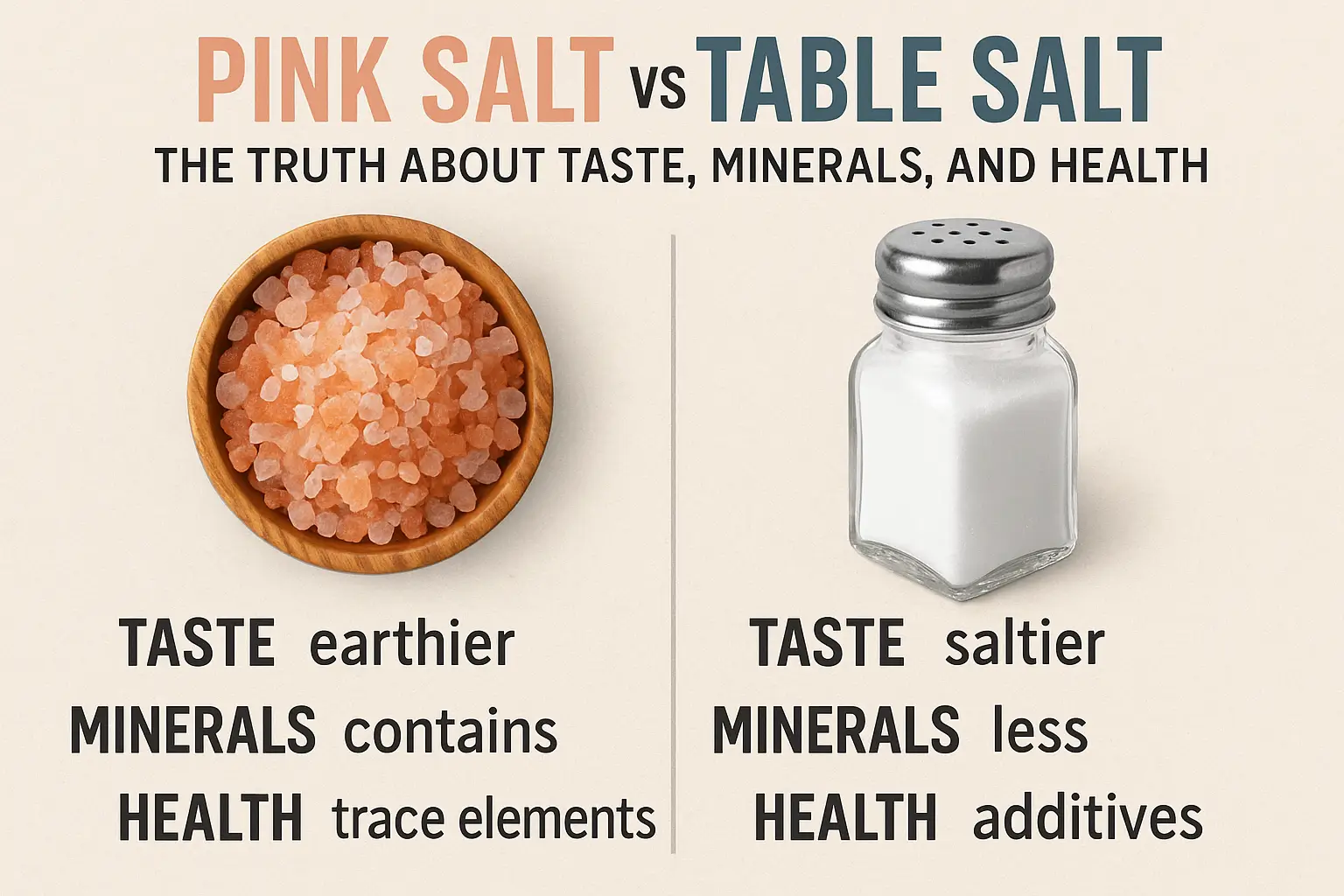
For flushes, the type matters less than the dose. For daily life, though, it matters a lot. Unrefined salts (Himalayan or high‑quality sea salts) offer trace minerals and a cleaner taste; they’re ideal for small, supportive rituals. Refined table salt is fine for cooking but contains additives and, if iodized, contributes iodine (important if you rarely eat seafood). For rituals, many readers prefer finely ground Himalayan salt for its gentle flavor and easy dissolution.
Signs You’re Dehydrated (and Mistaking It for Hunger)
If you feel snacky after meals, wake with a headache, or crash mid‑afternoon, dehydration may be whispering through cravings. A small mineral drink in the morning and again pre‑workout can smooth these edges. Remember: the goal is cellular hydration, not flushing.
A 7‑Day Gentle Reset (No Flush Required)
- Day 1: Morning mineral drink + 10‑minute walk after lunch.
- Day 2: Add a protein‑forward breakfast; season meals with unrefined salt to taste.
- Day 3: Make a batch of lemon‑ginger broth; sip a mug in the evening.
- Day 4: Include a leafy‑greens salad with a yogurt‑herb‑pink‑salt dressing.
- Day 5: Strength session (20–30 min) + mineral drink before or after.
- Day 6: Early bedtime ritual—dim lights, warm shower, and screen off for 30 minutes.
- Day 7: Reflect on what felt good. Keep the pieces that were easy.
But what if I’m constipated right now?
Try the gentle route first: a warm cup of lemon water, a short walk, chia pudding, and a magnesium‑rich dinner (salmon, pumpkin seeds, spinach). If there’s no movement for several days and you’re uncomfortable, talk to your clinician about short‑term options—there are safer choices than a flush.
Salt Flush Side Effects (Know Before You Try)
- Urgent diarrhea
- Abdominal cramping
- Lightheadedness or dizziness
- Increased thirst and dry mouth
- Electrolyte disturbance if repeated
These are signs your body is being pushed, not supported. We’re after the opposite.
When a Ritual Helps More Than a Flush
A number of readers shared that a simple morning practice—warm water, a pinch of pink salt, lemon—settled cravings and made their plan feel kind. Those who love quick, useful kitchen rituals often feel at home with the recipe frameworks in the Pink Salt Trick collection; the practical weekly structure in the Weight Loss Plan turns “maybe” into “I can do this,” and the Cookbook keeps flavors bright so dinner never feels like punishment.
Smart Comparisons (So You Don’t Overthink)
Pink salt flush vs. electrolyte ritual: One forces output; the other supports balance. Choose balance.
Himalayan vs. sea salt: Use what you’ll use consistently; quality and dosing matter more than color.
Scale drop vs. fat loss: Water weight is not progress. Look for steadier energy, better sleep, and fewer cravings—that’s progress.
How Much Pink Salt Per Day?
For healthy adults, total sodium (from food + seasoning) around 1,500–2,300 mg/day is a common guideline—roughly 3/4 to 1 teaspoon of salt across the day. Heavy sweaters and athletes may need more. If you’ve been eating mostly packaged foods, you’re likely already getting enough sodium; focus on potassium‑rich foods to balance.
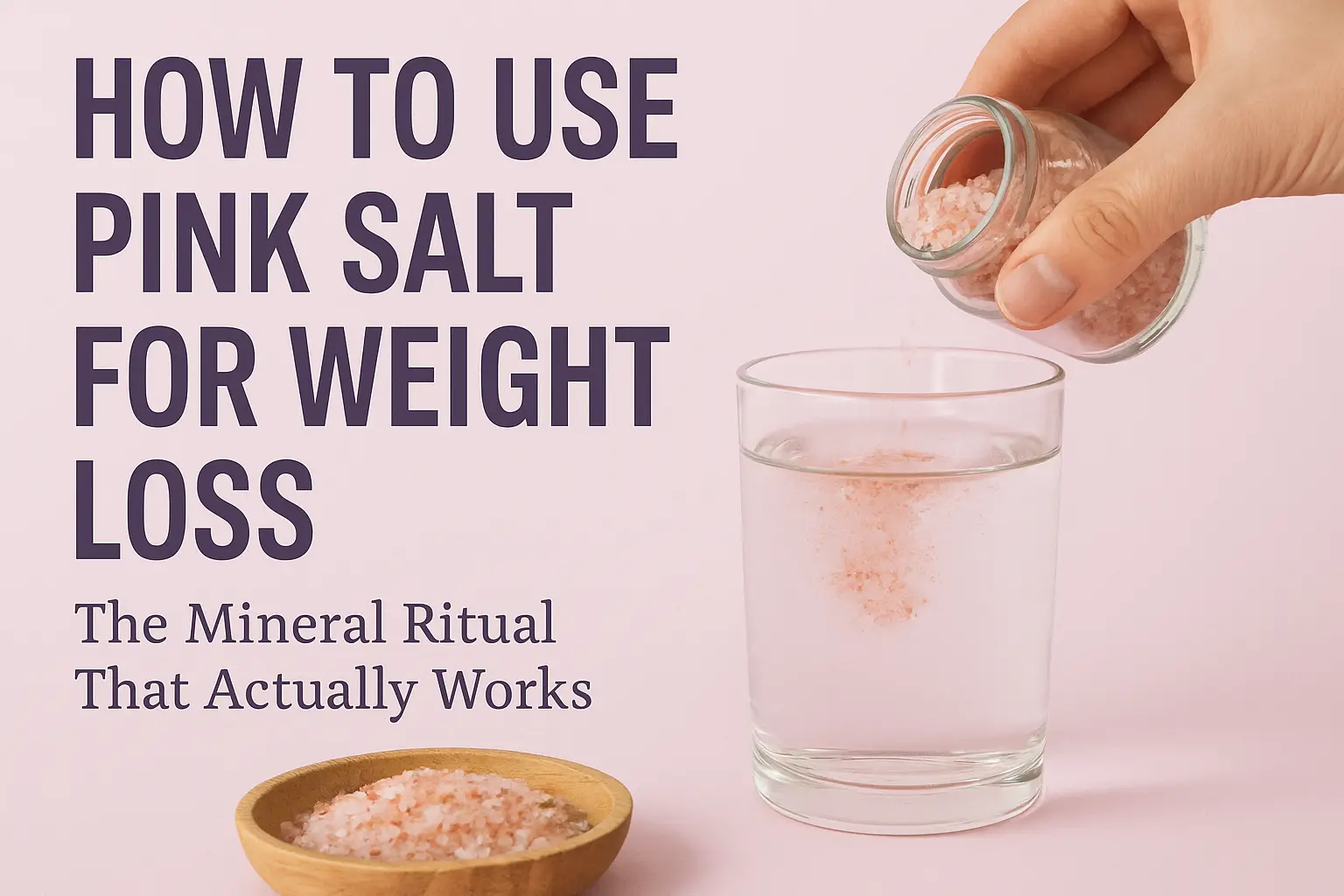
Pink Salt Morning Drink: Step‑by‑Step
- Warm 12–16 oz water.
- Add a small pinch of finely ground Himalayan salt; stir.
- Squeeze 1/4–1/2 lemon.
- Sip slowly while you breathe—five slow cycles in through the nose, out through the mouth.
Now eat a protein‑rich breakfast within 60–90 minutes. You’ve just replaced a flush with a ritual that steadies hormones, appetite, and mood.
Myths to Retire—Gently
- “A flush detoxes you.” Your liver and kidneys detoxify; hydration and fiber help them work.
- “More salt equals more weight loss.” Excess salt can cause bloating and raise blood pressure.
- “Pink salt is magic.” It’s a helpful tool. The magic is consistent meals, movement, and rest.
FAQs
Does a Himalayan salt flush help with weight loss?
It may drop water weight temporarily, but it doesn’t burn fat. A gentle electrolyte ritual paired with protein‑rich meals is more sustainable.
How often can I do a salt flush?
We don’t recommend routine flushes. Repeated use can disturb electrolytes and irritate the gut. Try the daily mineral drink instead.
What’s the best salt for a hydration drink?
Finely ground Himalayan salt dissolves easily and has a mild taste. High‑quality sea salts can also work well.
Can a salt flush relieve constipation?
It can trigger bowel movements, but gentler options (fiber, fluids, walking) are safer and more sustainable.
Will salt water raise my blood pressure?
Excess sodium can. Keep portions small, balance with potassium‑rich foods, and follow your clinician’s advice.
What’s the best time to drink a mineral water?
Morning and/or pre‑workout. Avoid late night if you retain water.
How much pink salt should I use daily?
Across food and drinks, aim for total sodium around 1,500–2,300 mg/day unless your clinician says otherwise.
Is there a safe recipe to start with?
Yes: 12–16 oz warm water, a small pinch of pink salt, lemon, optional 1/2 tsp honey post‑workout.
Who shouldn’t use salt drinks?
Anyone on sodium‑restricted diets, with kidney/heart conditions, or during pregnancy unless cleared.
How can I reduce cravings without a flush?
Hydrate with a small mineral drink, prioritize protein at meals, add fiber, sleep earlier, and strength train 2–3x weekly.
Kindness wins. Choose rituals that make your body feel safe, your mind clear, and your progress steady. That’s how weight loss lasts.
If this spoke to you, you’ll love the full information in this book; begin your deeper reading → See the book on Mayobook.