
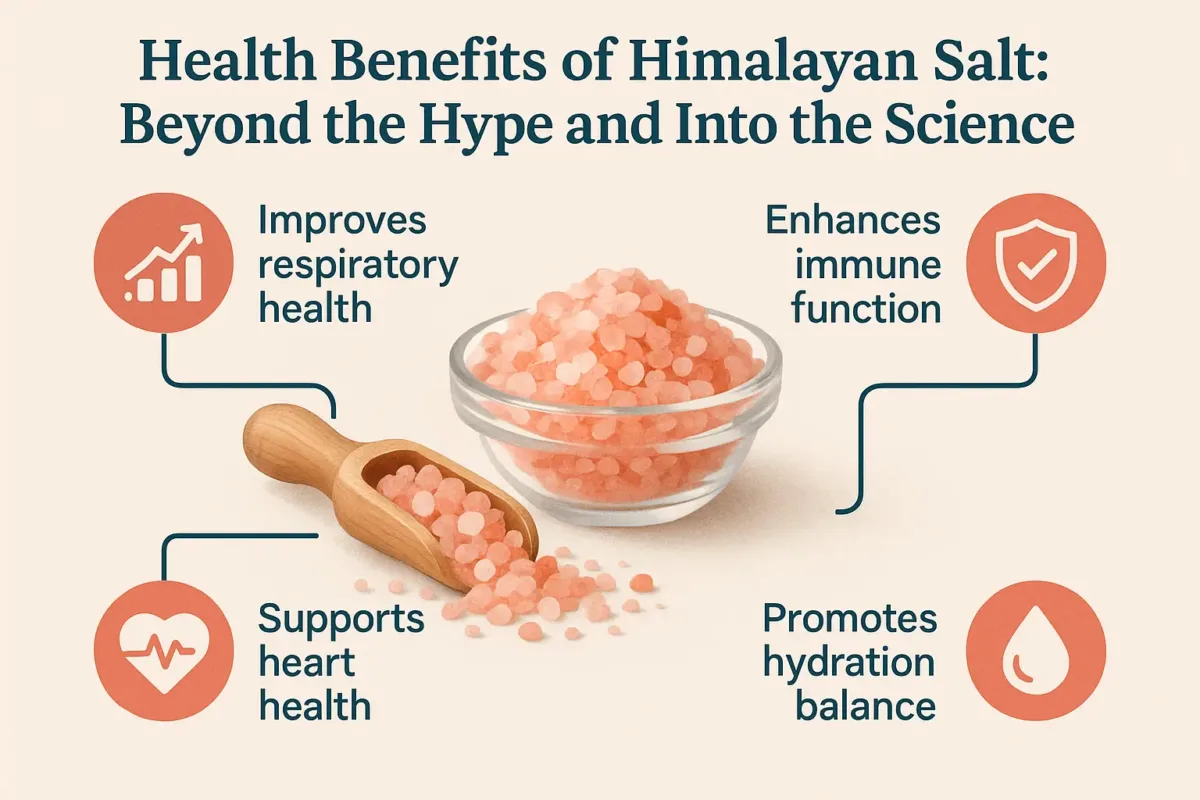
Health benefits of Himalayan salt are often framed like a miracle. In truth, the magic is more grounded—and more useful. Pink salt won’t replace sleep, protein, or walking. But used well, it quietly improves hydration, steadies cravings, supports training, and makes whole foods taste so satisfying you stop hunting for snacks at 9 pm. This is a gentle, evidence-informed guide to what Himalayan salt can (and can’t) do and how to fold its strengths into your daily rhythm.
What Makes Himalayan Salt Different?
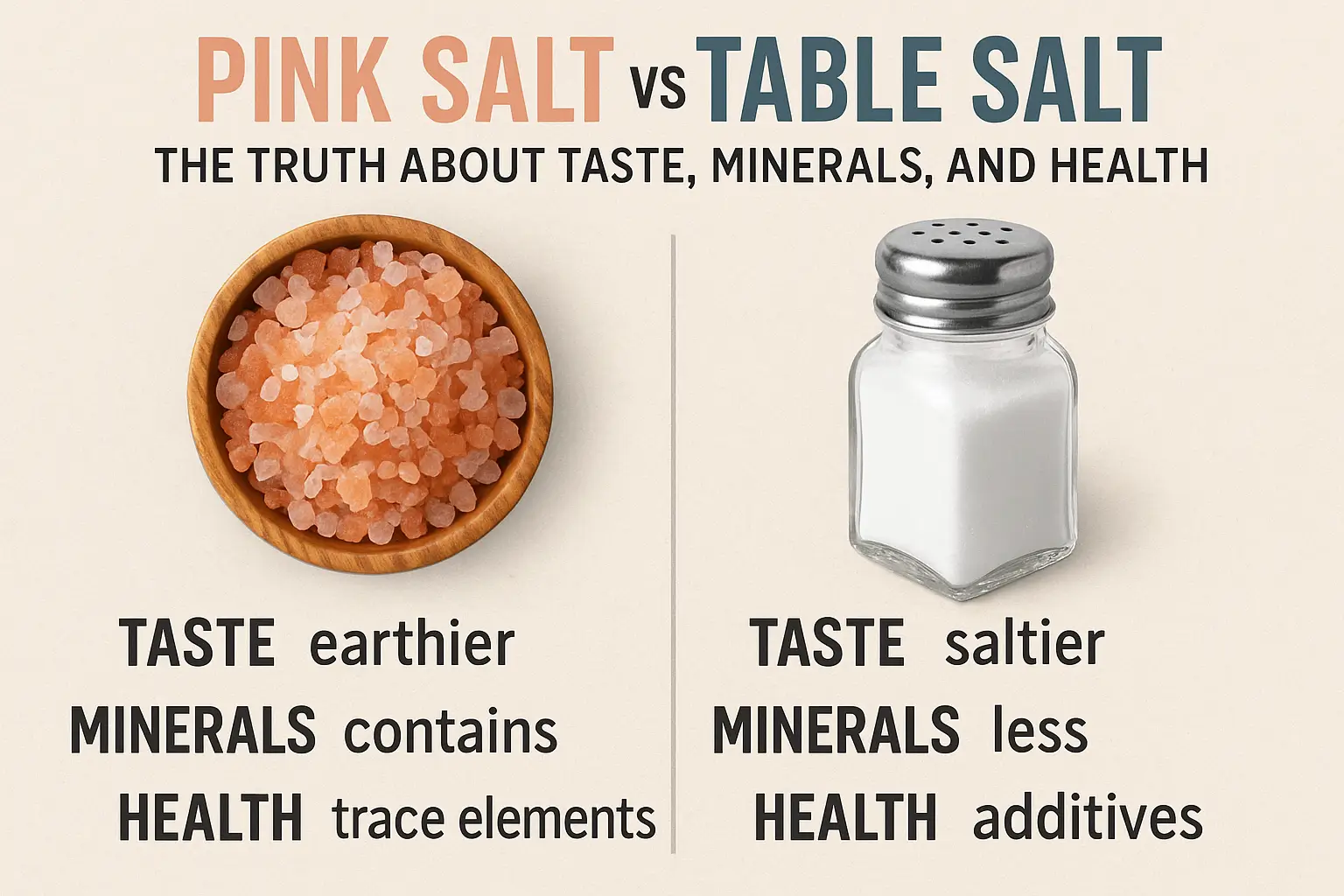
Himalayan salt is an ancient rock salt mined from fossil sea beds in the mountains of Pakistan. It’s minimally processed, retaining trace minerals like magnesium, potassium, and calcium, along with iron oxide—the pigment that gives those soft pink hues. Compared to highly refined table salt, it tastes rounder and less harsh; compared to many modern sea salts, it’s drier and dissolves consistently in warm liquids. Those small differences change how you use it—and how your body feels after.
The Real Health Benefits (Minus the Hype)
- Hydration that sticks: Sodium helps move water into cells, not just through you. A small, measured pinch of pink salt in water can relieve “fake hunger,” afternoon headaches, and post‑workout fog.
- Quieter cravings: Electrolyte stability calms the stress chemistry that pushes sugar seeking; add protein and fiber, and evening snacking fades.
- Better training + recovery: Adequate sodium supports nerve conduction and muscle contraction, so strength sessions feel strong instead of shaky.
- Flavor that supports compliance: Food you love is the diet you keep. Pink salt’s soft taste makes real meals satisfying, so you’re less tempted by ultra‑processed options.
Note: trace minerals in pink salt exist in tiny amounts; they don’t replace a balanced diet. The benefit is the combination of clean flavor and adequate electrolytes—not a miracle nutrient payload.
Pink Salt vs. Sea Salt vs. Table Salt
Table salt is highly refined sodium chloride with anti‑caking agents; many brands are iodized. If you rely exclusively on pink salt, keep iodine elsewhere in your diet (seafood, eggs, seaweed, or an occasional pinch of iodized salt). Sea salt is harvested from modern oceans; high‑quality brands are tested and may contain a touch more magnesium. Himalayan salt is ancient, dry, and consistent—excellent for grinding or dissolving in warm water. The best salt is the one that makes whole‑food cooking and hydration easy for you.
“Detox” Claims—A Kinder Perspective
No single ingredient detoxes you. Your liver, kidneys, skin, and lungs are brilliantly designed for that. What pink salt can do is support hydration and taste, which makes it easier to drink water and eat real food—the conditions under which your built‑in detox system thrives. Simplicity is powerful here.
Himalayan Salt Electrolyte Ritual (Daily, Gentle)
Goal: cellular hydration, fewer cravings, better energy.
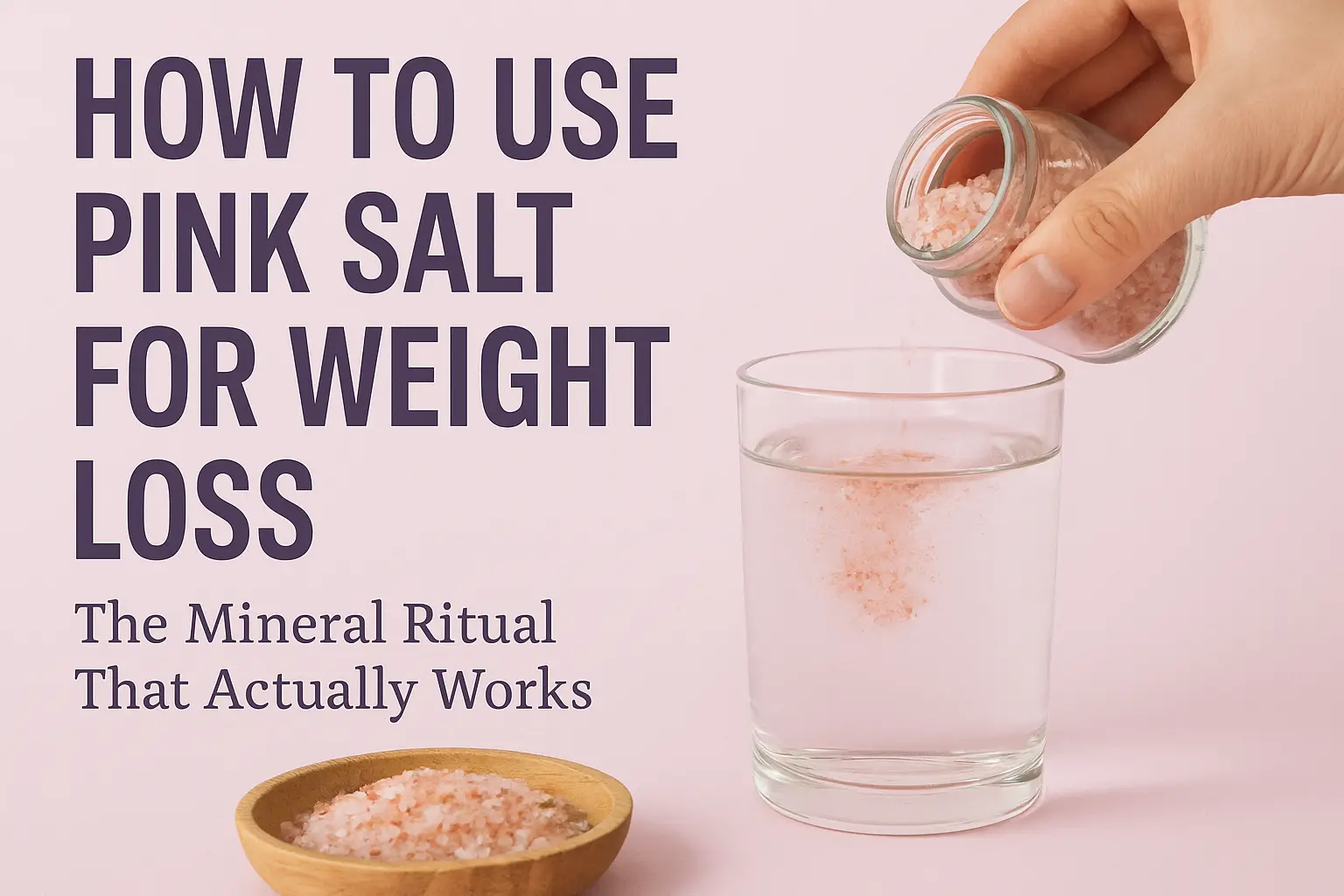
- 12–16 oz (350–475 mL) warm water
- 1 small pinch finely ground Himalayan salt (about 1/16–1/8 tsp)
- Juice of 1/4–1/2 lemon
- Optional: 1/2 tsp raw honey post‑workout only
Sip slowly. If you’re eating many packaged foods (already high in sodium), skip the drink and prioritize potassium‑rich foods (leafy greens, avocado, yogurt, and beans) for balance.
How Much Pink Salt Per Day?
For most healthy adults, total sodium from all sources around 1,500–2,300 mg/day is a common guide—roughly 3/4 to 1 teaspoon of salt across the day. Heavy sweaters and athletes may need more; anyone with hypertension, kidney, or heart conditions should follow personal medical advice.
Best Time to Drink Pink Salt Water
- Morning: Wakes up the brain‑gut axis, replaces overnight losses, and reduces “false hunger.”
- Pre‑workout or mid‑afternoon: Supports performance and shuts down snacky fatigue.
Avoid late‑night salt drinks if you retain water; season a protein‑rich dinner instead and wind down early.
Does Pink Salt Help with Weight Loss?
Indirectly, yes. Hydration steadies appetite, improves training, and improves sleep—three levers that reduce cravings and help maintain a calorie deficit without misery. Pink salt is not a fat burner; it’s a compliance tool that makes the healthy plan you chose easier to live.
Cravings, Headaches, and “Adrenal Fatigue”
Low‑grade dehydration and inconsistent electrolytes can look like sugar cravings, afternoon headaches, dizziness on standing, or morning fog. A small mineral drink in the morning and again on training days often makes a quiet difference. “Adrenal fatigue” isn’t a formal diagnosis, but many people report calmer mornings when they hydrate before coffee.
Who Should Be Cautious or Avoid Pink Salt Drinks?
Anyone on sodium‑restricted diets, with kidney disease, or with uncontrolled hypertension, or during pregnancy unless cleared by a clinician. Children do not need electrolyte drinks unless directed by a pediatrician.
Celtic Sea Salt vs. Himalayan: When to Use Each
Gray, moist Celtic sea salt is gorgeous for finishing vegetables, eggs, and fish; it delivers a vivid, briny pop. Dry, clean Himalayan salt is perfect for grinding into soups and dressings or dissolving in warm water. Many readers alternate—a culinary salt for the plate, a ritual salt for the glass.
Simple Recipes (That Make Whole Foods Irresistible)
- Warm Ginger‑Lemon Mineral Sipper: 12–16 oz warm water, pinch of pink salt, lemon, and thin ginger slices. Sip slowly.
- Yogurt‑Herb Pink Salt Dressing: Greek yogurt, olive oil, lemon, dill, chives, garlic, and a pinch of pink salt. Toss with cucumbers or greens.
- Citrus‑Pink Salt Salmon: Roast salmon; finish with finely ground pink salt and lemon zest for a bright, clean finish.
Quality & Sourcing: How to Choose Himalayan Salt
- Buy from reputable brands with transparent origins.
- Avoid neon‑bright crystals; genuine Himalayan salt has subtle rose tones.
- Choose fine grain for drinks and medium/coarse for cooking and finishing.
- Store dry and sealed to prevent clumping.
Myths to Retire—With Kindness
- “Pink salt detoxes you.” Your organs do. Pink salt helps you hydrate and cook food you’ll actually eat.
- “Pink salt is low sodium.” All salts are mostly sodium chloride; portion size matters.
- “More salt fixes more problems.” The right amount is the benefit. Too much causes bloating or raises blood pressure.
FAQs
Is Himalayan salt healthier than sea salt?
Both can be healthy when unrefined. Pink salt offers stable trace minerals and a gentle taste; quality sea salts bring a bright flavor and sometimes a touch more magnesium. Choose based on use and enjoyment.
Does pink salt help with hydration?
Yes, in small amounts. Sodium supports fluid balance; a tiny pinch in water can reduce headaches and “fake hunger” from mild dehydration.
Can pink salt help with weight loss?
Indirectly—by improving hydration, training, and sleep. Salt itself doesn’t burn fat.
How much pink salt can I use daily?
Across food and drinks, aim for total sodium ~1,500–2,300 mg/day unless your clinician advises differently.
Do I need iodized salt if I use pink salt?
Ensure iodine from food (seafood, eggs, seaweed) or include some iodized salt.
Is pink salt safe for people with high blood pressure?
Follow your clinician’s guidance; salt limitation may be required for some individuals.
What’s the best grain size for drinks?
Finely ground Himalayan salt dissolves easily and tastes smooth.
Can kids drink pink salt water?
Generally unnecessary unless advised by a pediatrician; focus on whole foods and water.
Does pink salt contain heavy metals?
Only in trace, naturally occurring amounts considered safe; source quality matters.
What’s a simple way to start?
Try the Warm Ginger‑Lemon Mineral Sipper in the morning, then season real meals to taste.
Going Deeper—If You’re Ready
Readers who enjoy gentle, practical routines often resonate with the Pink Salt series. The weekly frameworks in the Weight Loss Plan help you practice hydration with balanced meals; the Weight Loss Cookbook keeps flavors bright on busy days; the Guide for Women speaks tenderly to hormones and energy; and the Recipes book makes the ritual delicious enough to keep. Start where your curiosity leads.
Let salt be what it really is: a tiny kindness that makes water useful and food lovable. Simplicity repeated becomes transformation.
If this spoke to you, you’ll love the full information in this book; begin your deeper reading → See the book on Mayobook.