
Celtic sea salt vs Himalayan salt is more than a kitchen comparison—it’s a small story about how ancient oceans and modern wellness meet. Both salts promise minerals, purity, and hydration. Both sparkle with wellness buzzwords. Yet, beneath the color and marketing, they offer slightly different gifts to your body. The difference isn’t about which is “better,” but which suits your rhythms, your climate, and your lifestyle.
Origins: Where Each Salt Begins Its Story
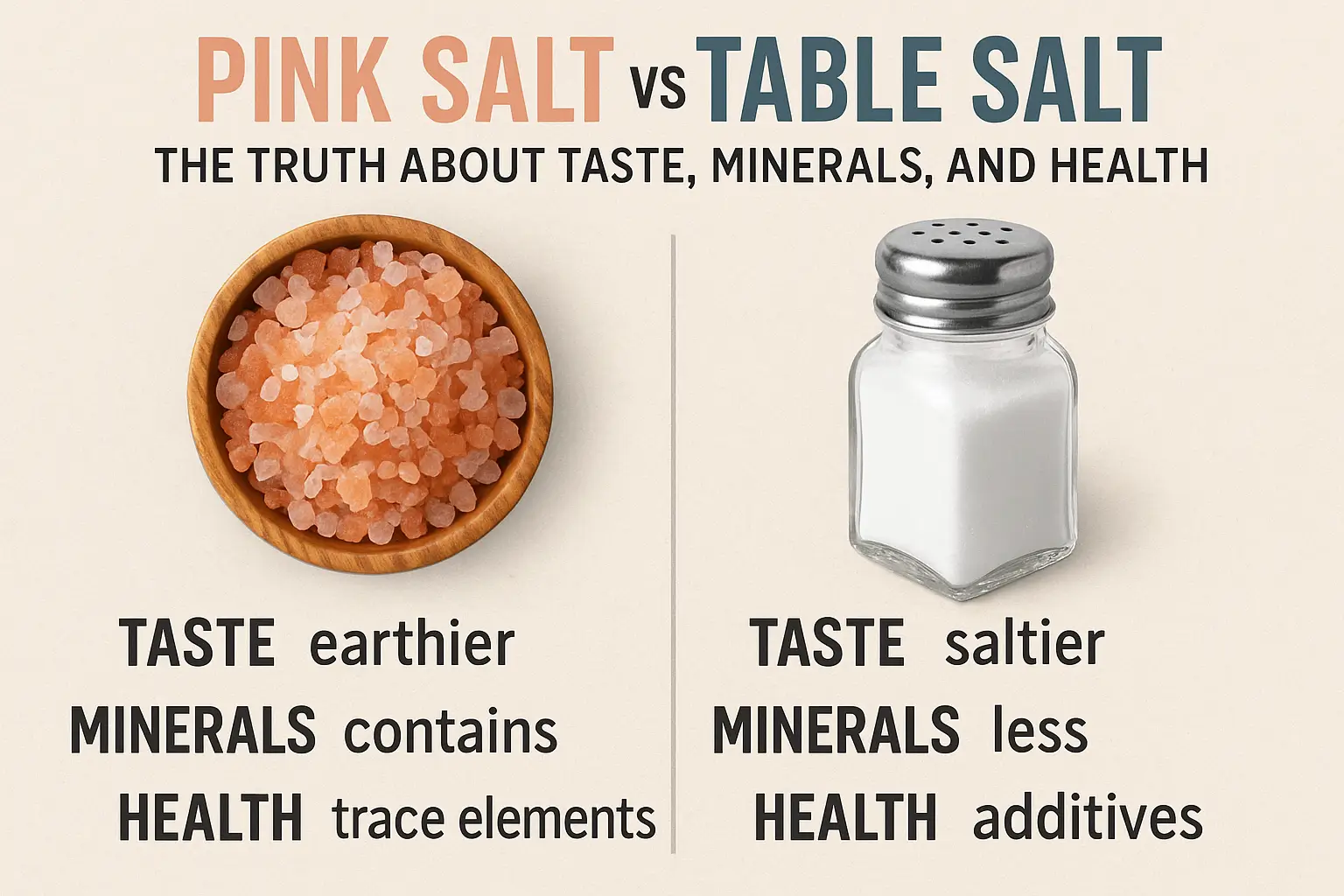
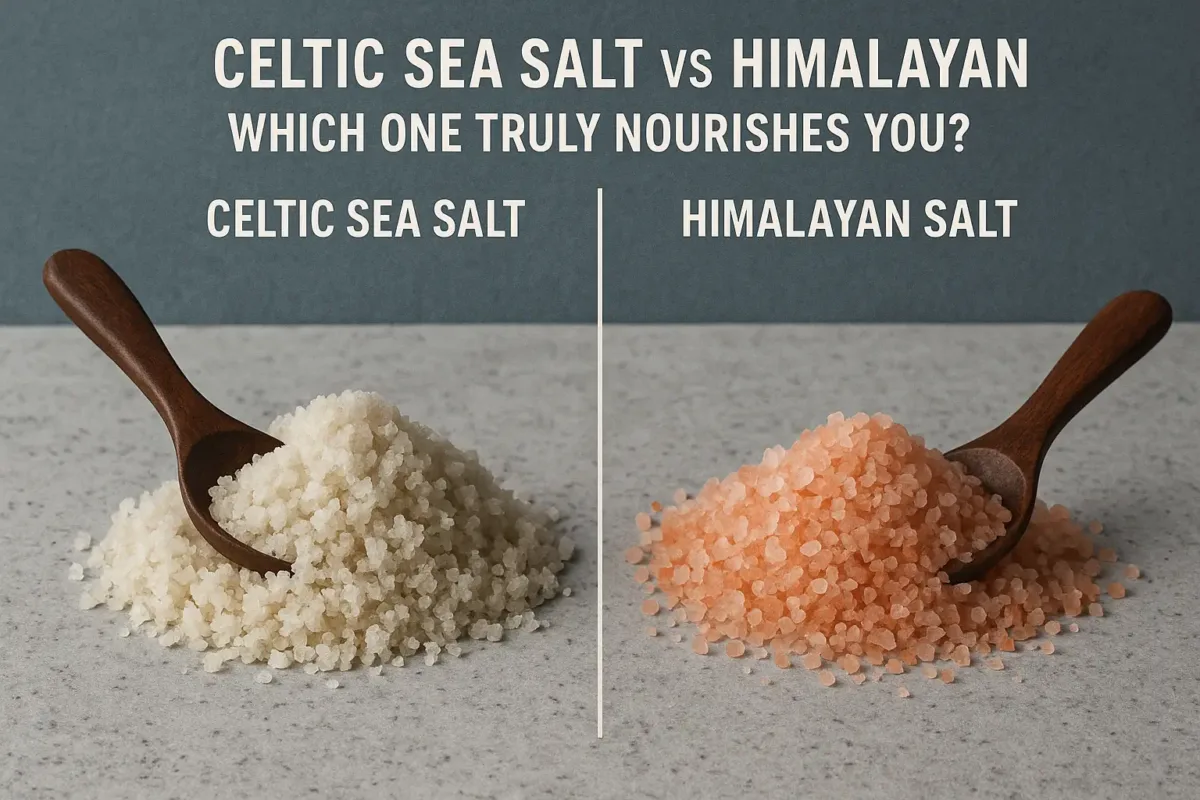
Himalayan salt comes from ancient sea beds crystallized beneath the Himalayas millions of years ago. Protected from pollution and moisture, it’s dry, fine, and softly pink from trace iron. Celtic sea salt, by contrast, is harvested from tidal pools off the coast of Brittany, France—moist, gray, and alive with trace minerals from modern seawater.
Think of it this way: Himalayan salt is fossilized ocean. Celtic sea salt is living ocean. One is ancient stability; the other, current vitality. Both nourish differently.
Texture and Taste: What the Tongue Tells You
Celtic sea salt feels damp, sticky, and slightly coarse. It carries a faint oceanic sweetness. Himalayan salt is dry, crisp, and clean. When you grind it over food, it melts slower, offering a gentler hit of salinity. Celtic salt enriches broths and steamed vegetables; Himalayan salt excels in dry rubs and morning hydration drinks.
Mineral Content: Tiny, Yet Meaningful Differences
Both salts contain over 80 trace minerals, but in varying proportions. Celtic sea salt often carries slightly higher magnesium and calcium levels due to active sea contact. Himalayan salt tends to have more iron and potassium. These are not clinical doses, but in culinary amounts, they influence flavor and how your body retains water.
Key takeaway: Celtic salt feels grounding and hydrating. Himalayan salt feels clean and focusing. Some people even notice mood or digestion differences depending on which one they use daily.
Hydration and Electrolytes
Hydration isn’t about how much water you drink; it’s about how well your body holds it. Sodium helps water cross cell membranes, while magnesium and potassium keep balance inside. Celtic sea salt, with its natural moisture and magnesium, supports gentle hydration in humid climates or post‑exercise routines. Himalayan salt, being drier, pairs better with warm water morning rituals in cooler or dry regions.
Which Salt Supports Weight Loss and Metabolism?
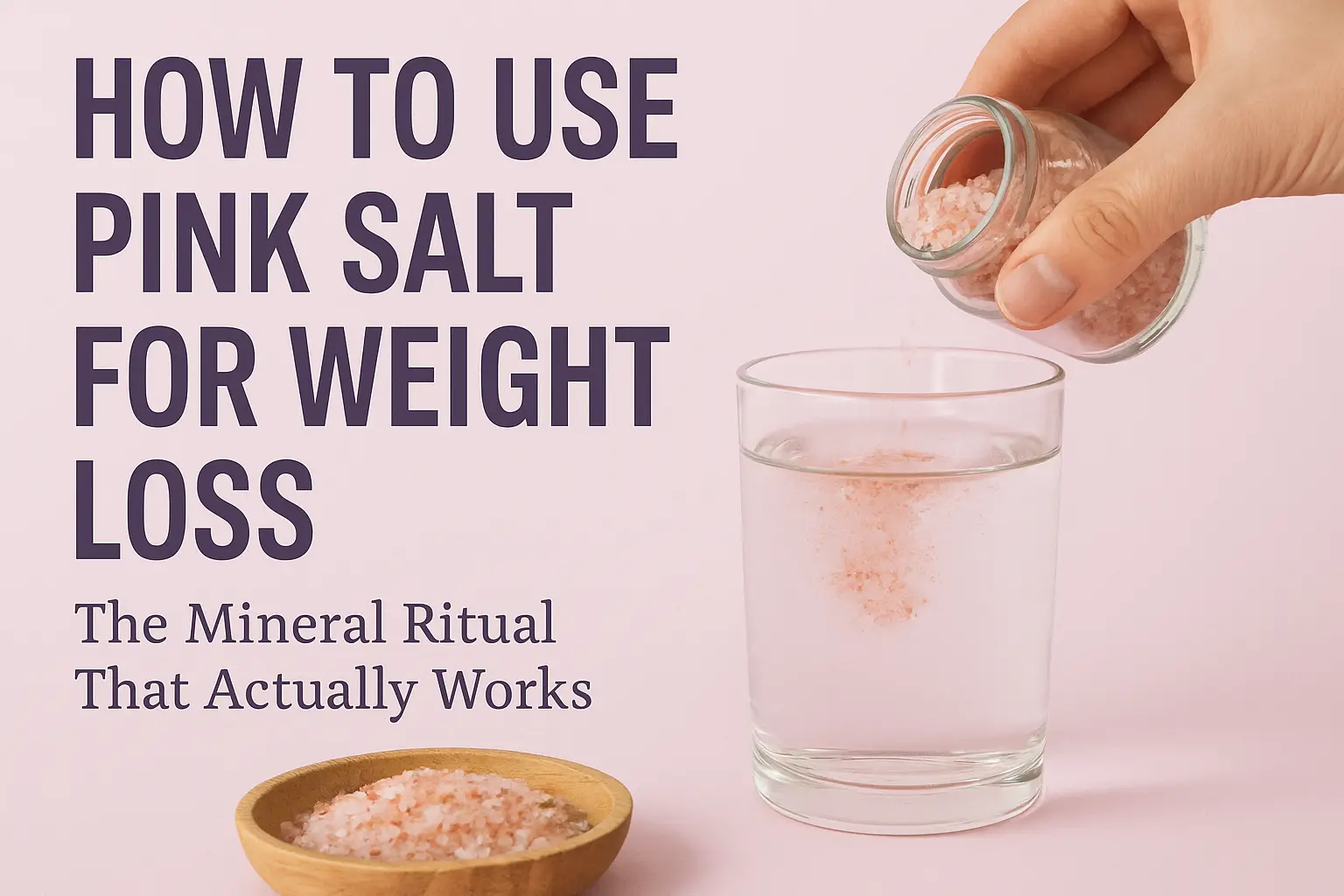
Neither salt directly burns fat—but both can improve metabolism through hydration and mineral support. When you’re hydrated, digestion, thyroid function, and muscle contraction all improve. Himalayan salt morning drinks help prevent “false hunger.” Celtic salt broths calm cortisol, reducing stress‑driven snacking. The difference lies in feel: pink salt awakens; gray salt soothes.
For Cooking: When to Use Each
- Use Celtic sea salt for soups, stews, steamed vegetables, and finishing dishes that benefit from a mineral punch.
- Use Himalayan salt for salads, roasted foods, or hydration drinks where clean flavor matters.
Chefs often keep both: one for moisture, one for clarity. Your body responds similarly—it loves variety in minerals.
Detox and Wellness Rituals
Despite the “detox” claims, neither salt detoxes you. They support your body’s detox pathways—hydration, digestion, and circulation. Celtic sea salt baths draw moisture to the skin and relax muscles; Himalayan salt lamps add ambiance and calm (though their detox power is symbolic, not scientific). A true detox is gentle hydration, fiber, and rest—not extremes.
Salt Baths and Skin Benefits
A Celtic sea salt bath leaves skin supple due to magnesium and trace minerals that soften water. Himalayan salt baths, slightly alkaline, can soothe irritation and improve circulation. Both create a small, mindful ritual—time to breathe, reset, and return hydrated inside and out.
Environmental and Ethical Notes
Celtic salt is hand-harvested through traditional methods that respect tidal rhythms. Himalayan salt mining varies; responsible brands use low‑impact techniques and pay fair wages. Look for transparency. Choose salts that align with both your body and your values.
Myths to Release
- “Celtic salt has less sodium.” Both salts are mostly sodium chloride; crystal size affects volume, not chemistry.
- “Himalayan salt cures disease.” It doesn’t cure—but steady hydration and real food do heal.
- “The darker the salt, the healthier.” Color shows mineral presence, not potency.
Simple Ways to Use Each in Daily Life
- Morning: A warm cup of water with a pinch of Himalayan salt and lemon.
- Afternoon: Light vegetable broth with a few grains of Celtic salt.
- Evening: Sea salt bath and magnesium‑rich dinner (spinach, salmon, seeds).
FAQs
Is Celtic sea salt healthier than Himalayan salt?
They’re both unrefined and mineral-rich. Celtic salt has slightly more magnesium; Himalayan has more potassium and iron. Choose based on taste and climate.
Which salt hydrates better?
Celtic sea salt retains moisture and magnesium, supporting hydration in hot or active conditions. Himalayan salt works well for morning hydration drinks.
Can I mix both salts?
Yes—many people blend them for balanced flavor and mineral diversity.
Does pink salt detoxify the body?
No salt detoxifies; hydration and rest support your body’s natural cleansing systems.
Is sea salt better than rock salt?
They’re different forms. Sea salt is current ocean; rock salt is ancient ocean. Both have value.
Can these salts replace electrolyte drinks?
For light activity, yes. For intense exercise, pair salts with carbs and water.
Do these salts lower blood pressure?
Only indirectly—when used mindfully and paired with balanced hydration.
Are heavy metals a concern?
Reputable brands test their salts for purity. Avoid unverified, ultra‑cheap imports.
Do these salts contain iodine?
No; supplement iodine through seafood, eggs, or small amounts of iodized salt.
What’s the healthiest way to use salt?
Season whole foods yourself, hydrate daily, and avoid processed foods overloaded with refined salt.
How the Right Salt Fits a Healing Lifestyle
Readers who fall in love with mindful nutrition often begin exploring gentle mineral rituals. That’s why the Pink Salt Trick series exists—to turn knowledge into nourishment. The Recipes and Cookbook help you apply these salts in flavorful, realistic ways. The Weight Loss Plan offers structured, calm routines. And the Guide for Women speaks softly to hormonal balance and mineral rhythms. Together, they make salt more than seasoning—they make it self‑care.
True nourishment is never extreme. It’s small minerals, daily presence, and a rhythm of rest that turn simple salt into medicine for the modern world.
If this spoke to you, you’ll love the full information in this book; begin your deeper reading → See the book on Mayobook.