
Pink salt vs table salt is one of those kitchen debates that spirals into wellness circles and even doctor’s offices. Both season food. Both provide sodium. Yet one is celebrated as natural and pure, the other dismissed as “processed.” The truth is quieter—and much more practical. Understanding how they differ in taste, texture, and mineral composition helps you use salt as a tool for better flavor, hydration, and overall well-being.
The Real Difference Between Pink Salt and Table Salt
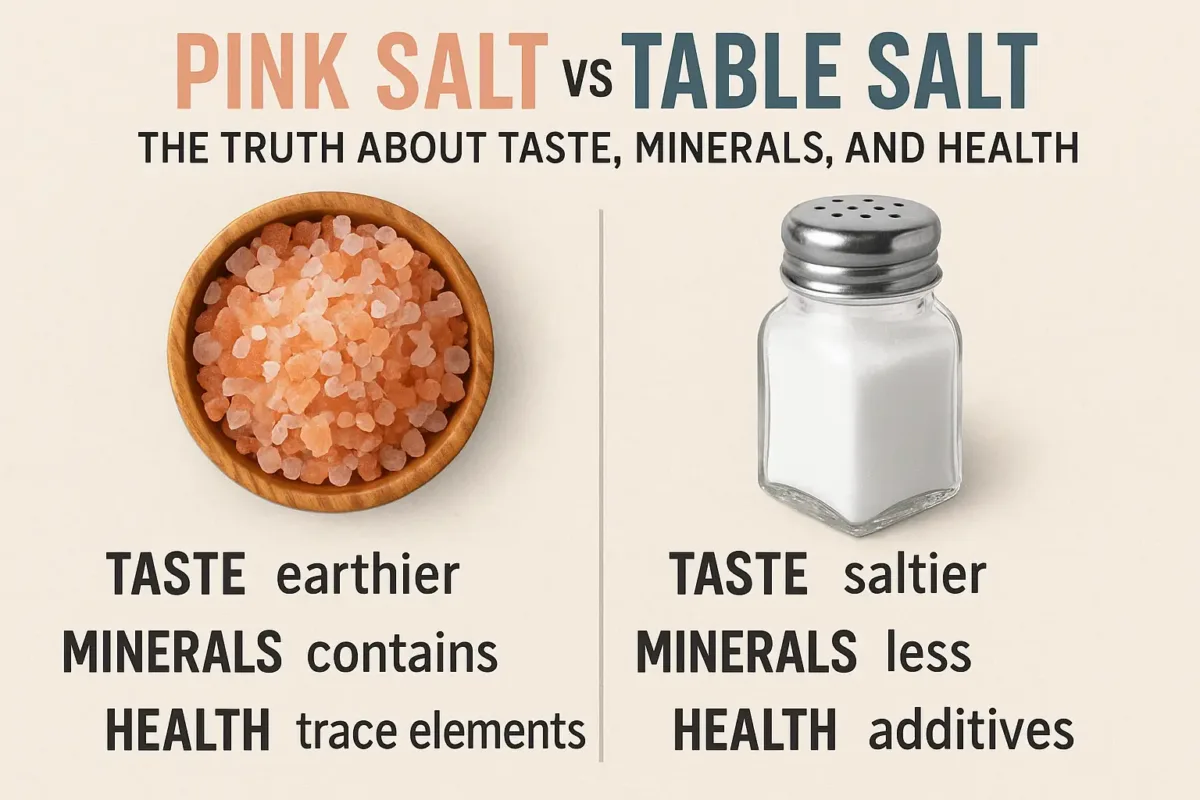
Table salt is refined sodium chloride, often fortified with iodine and anti‑caking agents. Pink Himalayan salt is unrefined rock salt, mined from ancient sea beds in Pakistan and gently washed, not chemically processed. Its pink hue comes from trace minerals—iron oxide, magnesium, potassium, and calcium—present in tiny amounts. The core difference isn’t moral; it’s mechanical. One flows easily through a shaker; the other crumbles naturally in your fingers and dissolves in warm water with a clean, soft flavor.
Does Pink Salt Contain More Minerals?
Yes, but not enough to transform your diet. The trace minerals in Himalayan salt amount to less than 2% of its weight. They don’t replace fruits, vegetables, or whole foods. The real benefit is its flavor and texture—factors that make whole‑food meals more enjoyable, so you naturally stick with your health goals. A small pinch of mineral‑rich salt on a ripe tomato or avocado can make simple food taste luxurious. That’s behavior change, not chemistry magic.
Iodine: The One Table Salt Advantage
Modern table salt often contains added iodine, an essential nutrient for thyroid function. Pink salt typically does not. If you rely solely on pink salt and rarely eat seafood, seaweed, or eggs, you may fall short on iodine. The simple solution: include a few iodized salt shakes each week, or enjoy iodine‑rich foods alongside your mineral salt habit.
Is Pink Salt Better for Blood Pressure?
Not automatically. All salts are primarily sodium chloride, and excessive sodium intake—no matter the source—can elevate blood pressure in salt‑sensitive individuals. The key difference is behavioral: pink salt’s grain size and flavor intensity often mean you use less. Because it tastes clean and strong, you need fewer crystals to satisfy your palate. That’s a small, natural advantage for mindful seasoning.
Which Tastes Better?
Pink salt delivers a soft, rounded flavor that melts gently on the tongue, while table salt has a sharper, saltier hit. Chefs often describe pink salt as “gentle,” making it ideal for finishing dishes or crafting mineral drinks. Table salt’s fine grains dissolve quickly and work better in baking or recipes where precision matters. The healthiest option is to use both intentionally: pink for slow, sensory eating; table salt for structured cooking.
Pink Salt vs Table Salt for Cooking
- For everyday meals: Pink salt enhances soups, salads, eggs, and roasted vegetables with a subtle mineral note.
- For baking: Table salt’s fine grind ensures even distribution and consistent results.
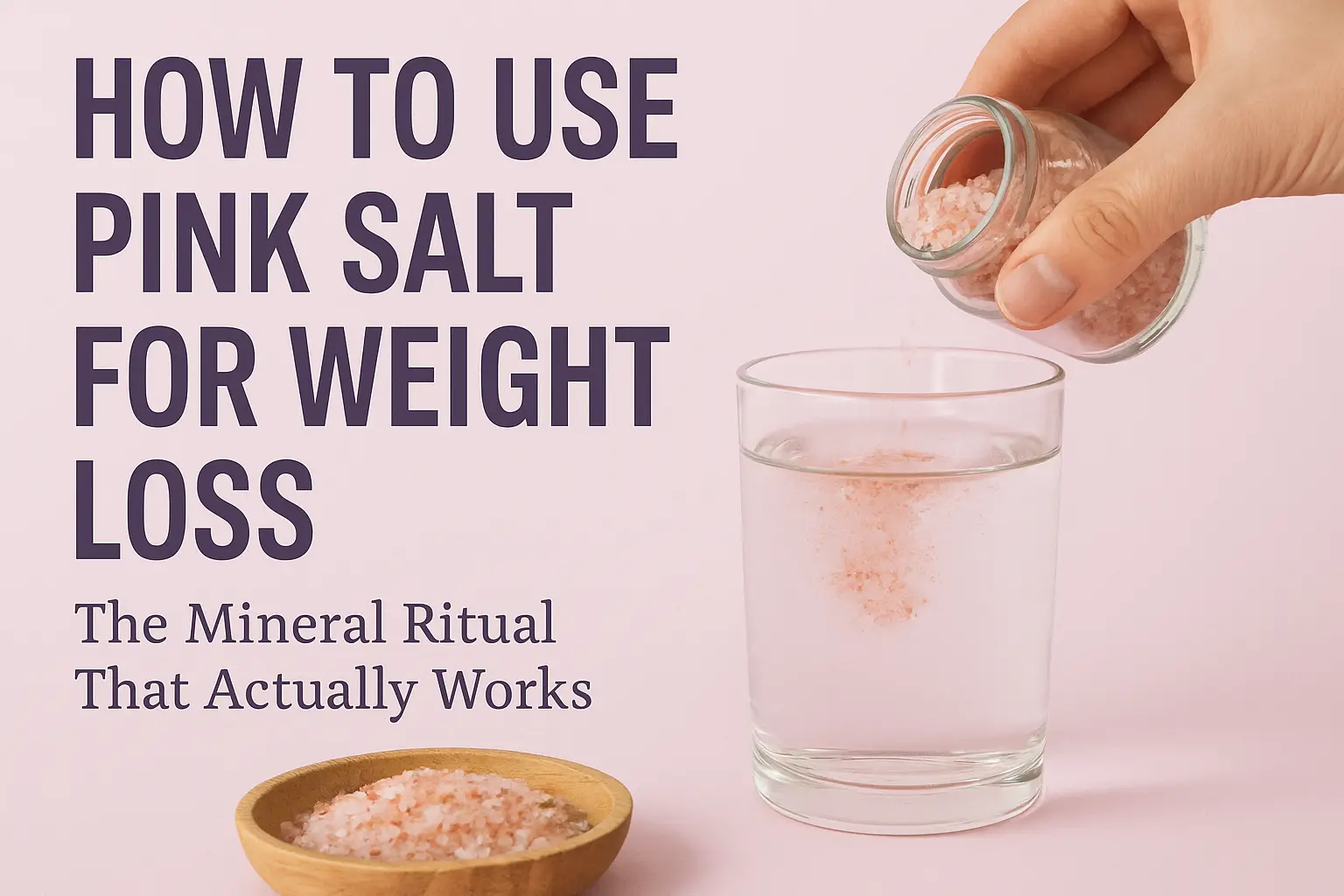
- For hydration drinks: Pink salt dissolves well in warm water, supporting gentle electrolyte balance.
The best kitchens keep both salts side by side—each with a purpose.
Does Pink Salt Have Less Sodium?
Technically yes—because of its slightly larger crystal size, a teaspoon of pink salt may contain less sodium than the same volume of fine table salt. But by weight, they’re nearly identical. The real trick isn’t lowering sodium but improving balance: drink more water, eat potassium‑rich foods, and season meals yourself instead of relying on packaged foods heavy with hidden salt.
Pink Salt and Hydration
When used in moderation, pink salt supports hydration by helping water enter your cells. This is why many gentle detox or morning wellness routines begin with a pinch of pink salt in warm water. It steadies energy, reduces headaches, and prevents the afternoon “crash” that comes from plain water flushing electrolytes too quickly. Always pair salt intake with whole‑food meals rich in potassium and magnesium for balance.
Table Salt Myths (and the Truth)
- Myth: Table salt is “toxic.”
Truth: It’s refined, not dangerous. The problem is overuse of processed foods, not the salt itself. - Myth: Pink salt is “chemical‑free.”
Truth: All salts are chemicals; sodium chloride is a natural compound. “Chemical-free” is marketing language, not chemistry. - Myth: Pink salt “detoxes” the body.
Truth: The kidneys and liver detoxify. Pink salt supports hydration, not detoxification.
When to Choose Each Type
- Choose pink salt for finishing dishes, crafting gentle morning mineral drinks, or adding depth to soups and dressings.
- Choose table salt when baking or when you need precise, measured seasoning in recipes.
Neither is “better” in every context—each belongs in a balanced kitchen.
How Much Salt Do You Really Need?
The World Health Organization suggests about 5 grams (1 teaspoon) of total salt per day. That includes the sodium already in foods. Active individuals or those in hot climates may need slightly more. Listen to your body: constant thirst, dizziness, or muscle cramps can signal electrolyte imbalance.
Cooking Rituals That Bring Balance
The most underrated benefit of pink salt is how it makes cooking feel ritualistic. Grinding salt over roasted vegetables or whisking it into lemon water anchors you in the present moment. That mindfulness—combined with real nourishment—is what makes wellness sustainable. It’s not about purity; it’s about connection.
Simple Ways to Use Pink Salt Every Day
- Morning: Warm water + small pinch of pink salt + lemon for gentle hydration.
- Lunch: Sprinkle pink salt on avocado toast or vegetable soup for enhanced minerals.
- Dinner: Finish proteins or roasted veggies with coarse crystals for texture and flavor.
FAQs
Is pink salt better than table salt?
It depends on use. Pink salt offers trace minerals and a mild flavor, while table salt is ideal for baking and precise cooking.
Does pink salt contain iodine?
No, not naturally. Include iodized salt or iodine‑rich foods if you rely on pink salt daily.
Does pink salt lower blood pressure?
Only indirectly. Because it’s coarser, you may use less, which can reduce sodium intake slightly.
Can I cook everything with pink salt?
Yes, but for baking, fine table salt ensures even flavor distribution.
Is table salt unhealthy?
No. Overuse is unhealthy, but table salt itself is safe and regulated.
Why does pink salt cost more?
It’s hand‑harvested, minimally processed, and shipped from limited regions, increasing cost.
Which salt is best for hydration?
Pink salt is often preferred for electrolyte drinks because of its trace minerals and clean flavor.
Can pink salt help with bloating?
Balanced electrolytes reduce water retention; a small pinch helps when hydration is consistent.
Is Himalayan salt natural?
Yes. It’s mined from ancient sea deposits and contains natural mineral traces.
Can I mix pink salt and table salt?
Absolutely—many chefs do. You get the mineral taste of pink salt with the precision of table salt.
Choosing the Right Tools for Balance
Pink salt belongs to a lifestyle of mindful nourishment. It’s one piece of a bigger ritual—hydration, balanced meals, and gentle movement. That’s why the Pink Salt Trick books resonate with so many readers: the Weight Loss Plan shows how to use these principles weekly; the Recipes and Cookbook make them delicious and practical; the Guide for Women explores hormonal balance; and the Original Book dives deep into the science behind salt, water, and metabolism. You’ll feel the connection the moment you read a page.
Salt wisely, live slowly, hydrate kindly. Your body understands simple consistency far better than extremes.
If this spoke to you, you’ll love the full information in this book; begin your deeper reading → See the book on Mayobook.